
- Shop Shop
-
Desktop
Desktop
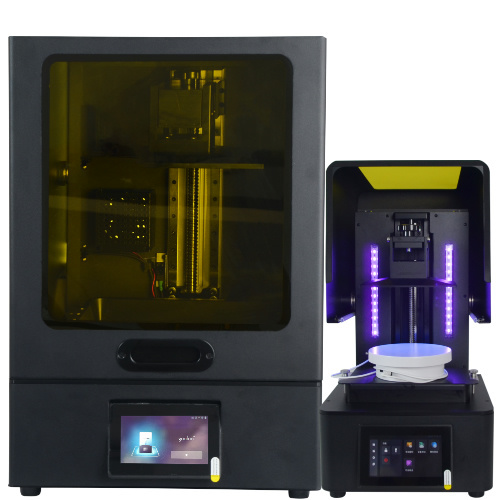
MSLA series
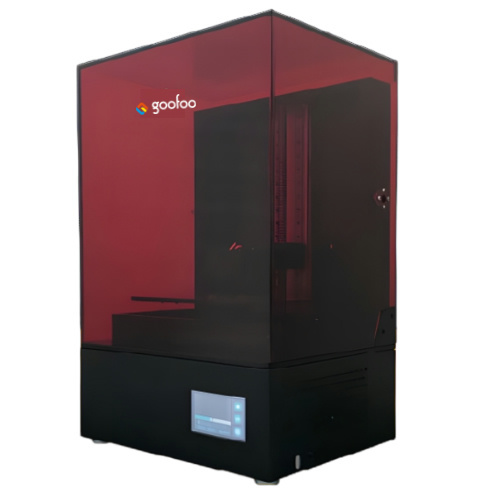
High accuracy Lens-s pro
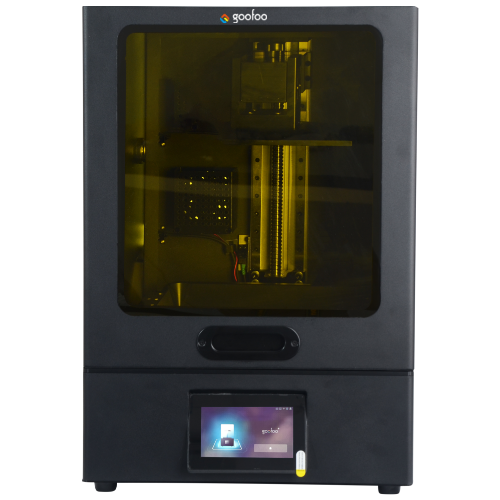
Large build volume Lens-m pro
- Industrial Industrial
-
Material
Material

Resin series

Dental DM100/TC100/ etc.

Jewelry Jewelry Resin

Generic PW100

Industry High Temp Resin

Garage Kit Red wax
-
Expanded
Expanded
Laser Engraver/CNC
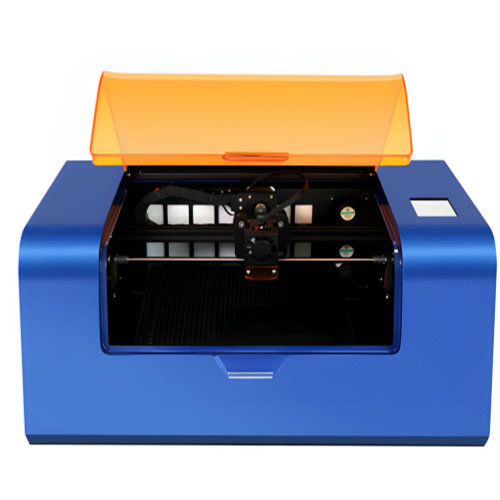
TS3(class1) Laser engraver & cutter 200*300mm
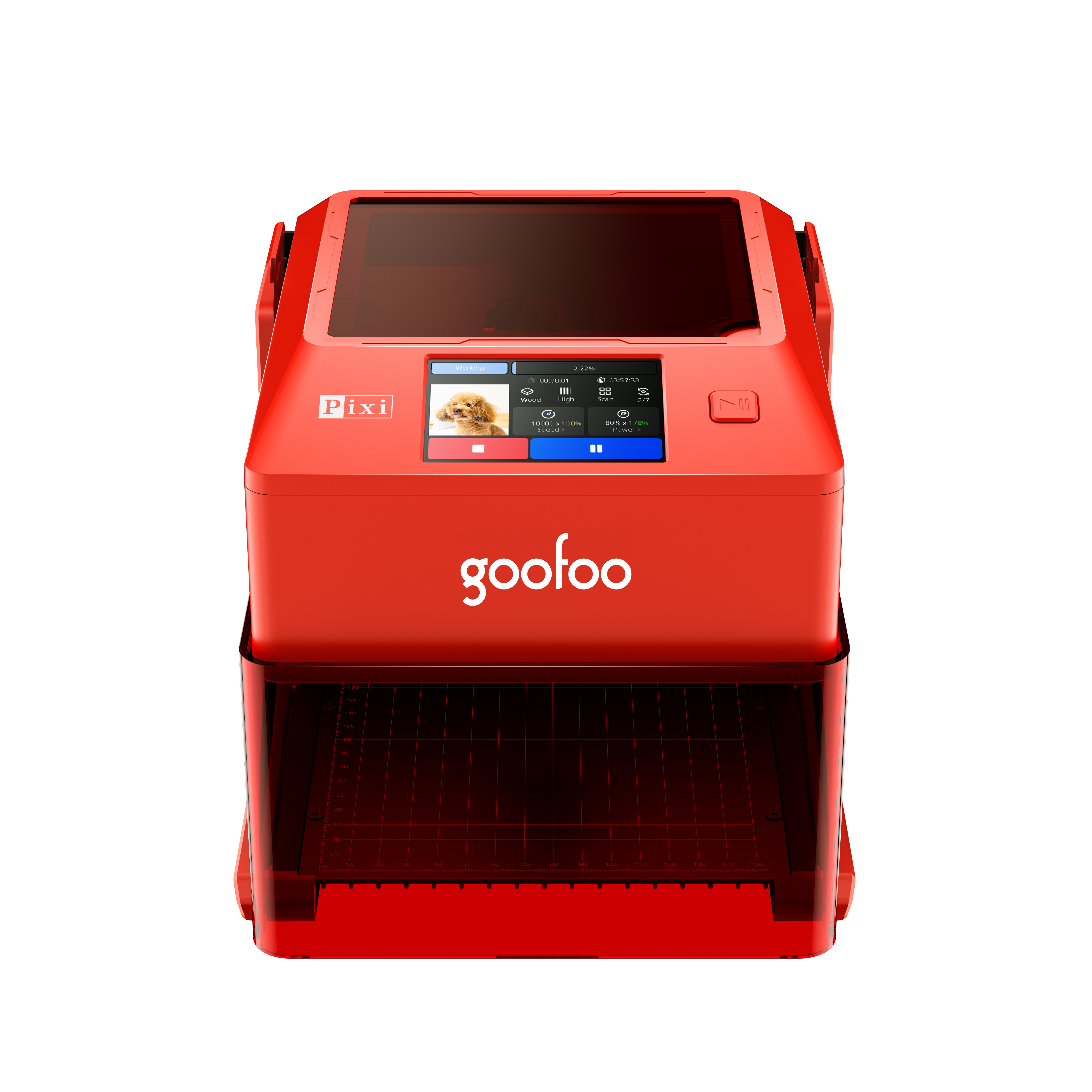
Pixi(class1) Laser engraver & cutter 100*100mm
3D scanner
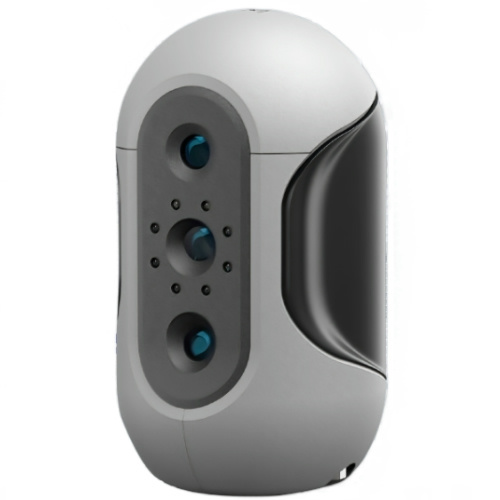
Mole Highest accuracy 0.05mm
- Industries & Applications Industries & Applications
- Support Support
- About Us About Us
- Contact Us Contact Us
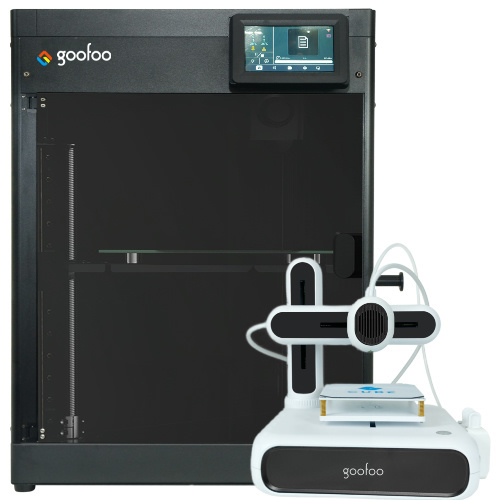


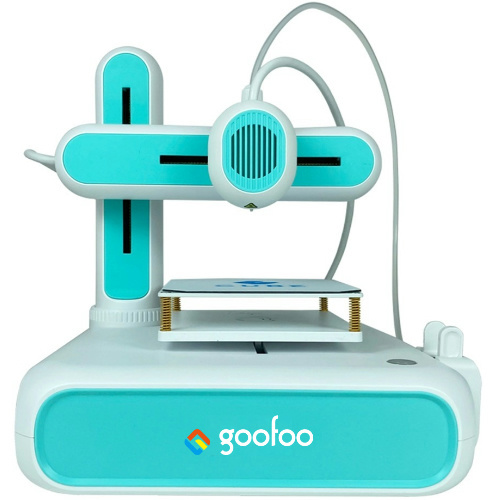
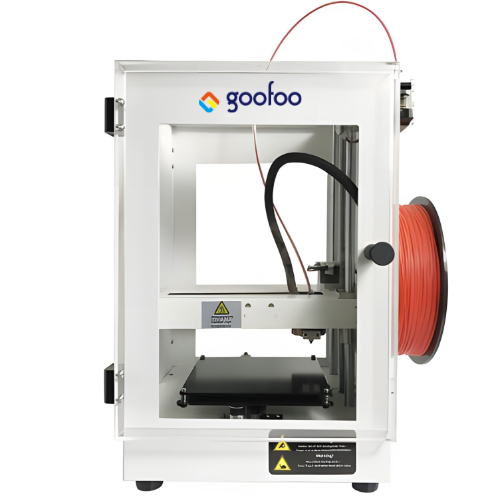
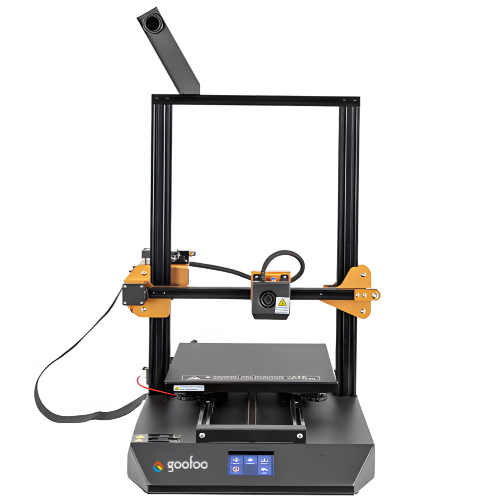
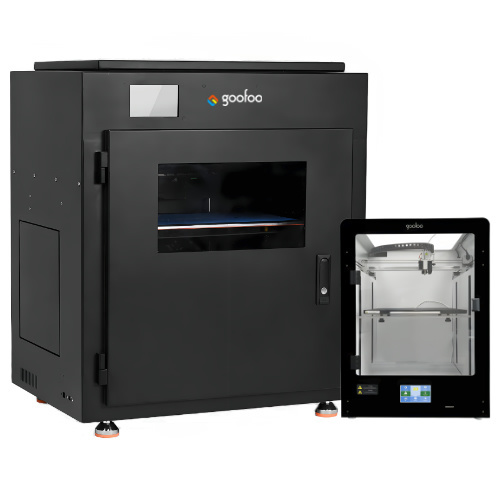
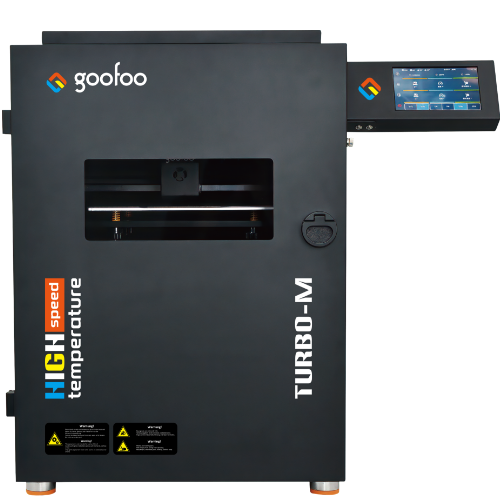
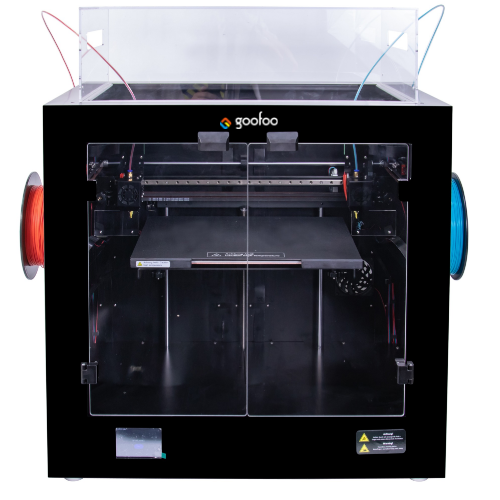
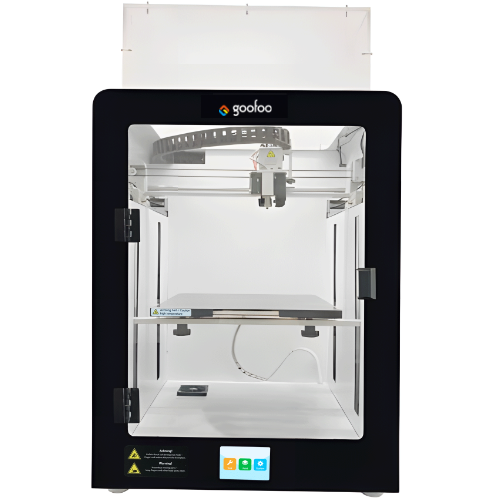
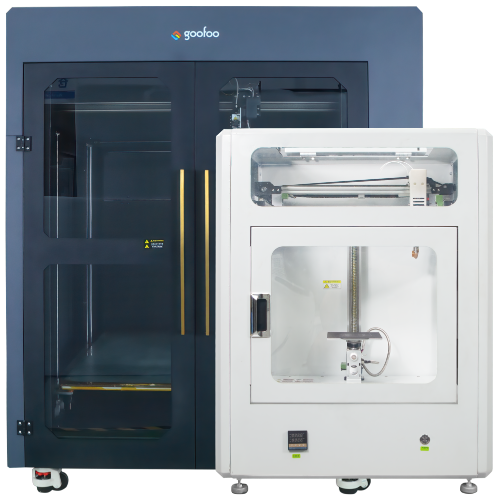
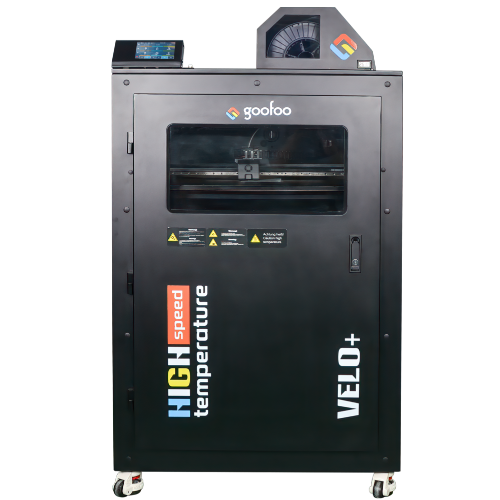
















Unleashing the Power of Innovation with 3D Printing: A Comprehensive Guide to Transforming Ideas into Reality
2024-08-09 09:00
Unleashing the Power of Innovation with 3D Printing
Table of Contents
- 1. Introduction to 3D Printing Technology
- 2. A Brief History of 3D Printing
- 3. How Does 3D Printing Work?
- 4. Real-World Applications of 3D Printing
- 5. Benefits of 3D Printing Technology
- 6. Challenges Facing 3D Printing
- 7. The Future of 3D Printing
- 8. Frequently Asked Questions about 3D Printing
- 9. Conclusion: Embracing the Future of Innovation
1. Introduction to 3D Printing Technology
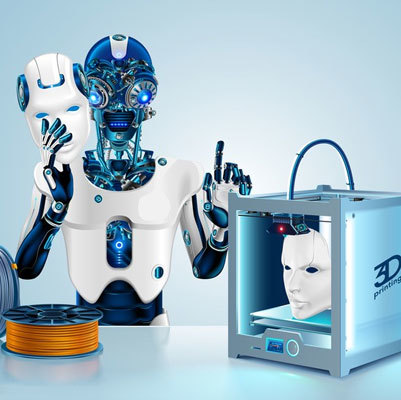
3D printing, also known as additive manufacturing, is a transformative technology that allows for the creation of three-dimensional objects from digital files. This innovative process has redefined traditional manufacturing methods, enabling rapid prototyping and customized production across various sectors. In this article, we delve into the depths of 3D printing, exploring its history, functionality, applications, benefits, challenges, and future prospects.
2. A Brief History of 3D Printing
The journey of 3D printing began in the 1980s with the invention of stereolithography by Charles Hull. This process utilized ultraviolet light to cure liquid resin layer by layer, creating solid objects. Over the years, the technology evolved, and several techniques emerged, including fused deposition modeling (FDM), selective laser sintering (SLS), and digital light processing (DLP), each contributing to improvements in speed, precision, and material versatility.
As technology advanced, costs decreased, making 3D printing more accessible to businesses and individuals alike. Today, it is an integral part of numerous industries, driving innovation and efficiency in ways previously thought impossible.
3. How Does 3D Printing Work?
Understanding how 3D printing works is crucial to appreciating its impact. The process generally follows these steps:
Step 1: Design Creation
The journey begins with a digital design, typically created using computer-aided design (CAD) software. This design outlines the dimensions, shapes, and intricate details of the object.
Step 2: File Preparation
Once the design is complete, the file is converted into a format compatible with the 3D printer, such as STL or OBJ. The file is then sliced into thin horizontal layers using slicing software, which generates the necessary instructions for the printer.
Step 3: Printing
During the printing phase, the 3D printer builds the object layer by layer. Depending on the technology used, materials such as thermoplastics, ceramics, or metal powders are deposited or cured according to the design specifications.
Step 4: Post-Processing
After printing, the object often requires post-processing, which may involve cleaning, curing, or finishing techniques to enhance its appearance and functionality.
4. Real-World Applications of 3D Printing
3D printing has found applications across various industries, showcasing its versatility and innovative potential.
4.1 3D Printing in Healthcare
In healthcare, 3D printing has revolutionized how medical devices and prosthetics are designed and produced. Surgeons can create custom implants tailored to the unique anatomy of each patient, improving surgical outcomes. Furthermore, bioprinting—using living cells to create tissue and organs—holds promise for the future of transplants and regenerative medicine.
4.2 3D Printing in Aerospace
The aerospace industry benefits significantly from 3D printing's ability to produce lightweight, complex components. Manufacturers can create intricate parts that reduce the overall weight of aircraft, leading to increased fuel efficiency and lower emissions. Companies like Boeing and Airbus are increasingly adopting 3D printing to streamline production and reduce costs.
4.3 3D Printing in Automotive
In the automotive sector, 3D printing is utilized for rapid prototyping and the production of custom parts. It enables manufacturers to iterate designs quickly, reducing the time from concept to production. Additionally, 3D printing allows for the creation of unique, personalized vehicle components, enhancing consumer satisfaction.
4.4 3D Printing in Education
Educational institutions are embracing 3D printing as a tool for enhancing learning experiences. Students can visualize complex concepts in science, engineering, and art by creating tangible models. This hands-on approach fosters creativity and critical thinking, preparing students for careers in a technology-driven world.
5. Benefits of 3D Printing Technology
3D printing offers numerous advantages, making it a preferred choice for modern manufacturing.
Customization
One of the standout features of 3D printing is its ability to produce highly customized products. This level of personalization is particularly valuable in sectors such as healthcare, where tailored solutions can improve patient outcomes.
Cost-Effectiveness
With 3D printing, companies can reduce production costs by minimizing waste and lowering material expenses. The ability to create complex designs without the need for expensive molds or tooling contributes to overall cost savings.
Speed and Efficiency
3D printing significantly accelerates the prototyping process. Designers can quickly produce and test prototypes, facilitating rapid iteration and innovation.
Reduced Waste
Traditional manufacturing methods often involve cutting away material, leading to significant waste. In contrast, 3D printing is an additive process, meaning it builds objects layer by layer, resulting in less material waste.
Supply Chain Simplification
3D printing can streamline supply chains by enabling on-demand production. Businesses can produce parts and products as needed, reducing the need for large inventories and minimizing storage costs.
6. Challenges Facing 3D Printing
Despite its many benefits, 3D printing faces several challenges that hinder its widespread adoption.
Material Limitations
While the range of materials available for 3D printing is expanding, certain applications still require specific properties that current materials may not offer. Research and development are ongoing to address these limitations.
Quality Control
Ensuring consistent quality across 3D printed products remains a challenge. Variability in printing conditions, materials, and designs can lead to inconsistencies that affect performance and reliability.
Regulatory Issues
In industries such as healthcare and aerospace, regulatory hurdles can slow down the adoption of 3D printing. Established guidelines and standards must evolve to accommodate this rapidly changing technology.
Intellectual Property Concerns
As 3D printing technology allows for easy reproduction of designs, intellectual property issues have emerged. Protecting original designs and preventing unauthorized reproductions is a growing concern for creators and businesses alike.
7. The Future of 3D Printing
The future of 3D printing is promising, with advancements in technology and materials expected to drive further innovation. Emerging trends include:
Bioprinting Advancements
Bioprinting is expected to advance significantly, moving closer to the realization of functional organs for transplantation, which could revolutionize healthcare.
Expanded Material Use
Continued research into new materials will enhance the capabilities of 3D printing, opening new avenues for applications across various industries.
Integration with AI and Automation
Integrating artificial intelligence and automation with 3D printing processes will streamline production and improve quality control, leading to more efficient manufacturing environments.
8. Frequently Asked Questions about 3D Printing
What is 3D printing used for?
3D printing is used in various applications, including healthcare (custom implants), aerospace (lightweight components), automotive (rapid prototyping), and education (tangible learning models).
How much does a 3D printer cost?
The cost of a 3D printer can range from a few hundred dollars for entry-level models to several thousand dollars for industrial-grade printers, depending on the technology and capabilities.
What materials can be used for 3D printing?
Common materials for 3D printing include thermoplastics, metals, ceramics, and even living cells for bioprinting applications.
Is 3D printing environmentally friendly?
3D printing can be more environmentally friendly than traditional manufacturing due to reduced waste and the potential for localized production, minimizing transportation emissions.
How can I get started with 3D printing?
To get started with 3D printing, consider investing in a personal 3D printer, learning CAD software, and exploring online resources or courses that teach the fundamentals of design and printing.
9. Conclusion: Embracing the Future of Innovation
3D printing stands as a beacon of innovation, transforming industries and reshaping the way we approach manufacturing and design. Its potential for customization, efficiency, and sustainability positions it as a cornerstone of future technological advancements. As we continue to explore the possibilities of 3D printing, we must embrace this powerful tool, leveraging it to unlock new levels of creativity and productivity in various fields. The future is bright for 3D printing, and we are only beginning to scratch the surface of its vast potential.
3d printer
Recommended News
 Esperanto
 Shqiptare
 Euskara
 Zulu
Zulu
 Latinus
 Cymraeg
 தமிழ்
தமிழ்
 Slovak
 Slovak
 Afrikaans
Join us
Subscribe to get the latest news


Skype / WhatsApp: +86 592-5713513 / +86-13860126490
No.88-3, North Tongji Road, Xike County, Tong'an District, Xiamen, Fujian China
Xiamen Goofoo Technology Co., Ltd. All Rights Reserved 闽ICP备2022008070号-1 SEO 300.cn
Phone:+0086 592-5713513
Address: No.88-3, North Tongji Road, Xike County, Tong’an District, Xiamen, Fujian China
Email: sales@goofoo3d.com
We will give you feedback in time