
- Shop Shop
-
Desktop
Desktop
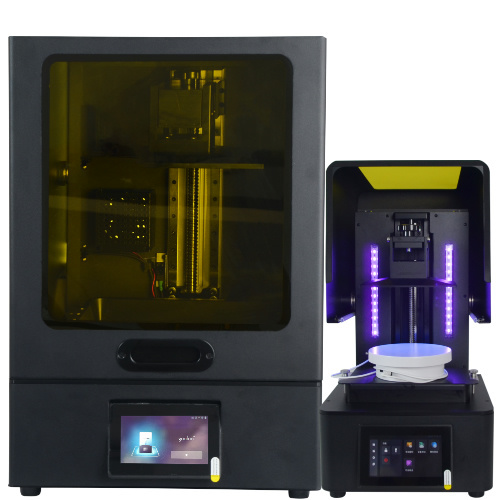
MSLA series
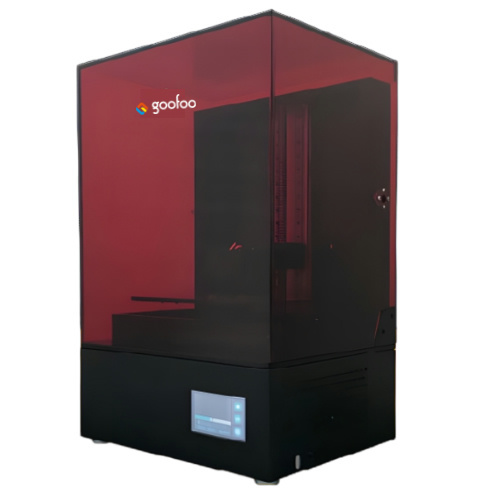
High accuracy Lens-s pro
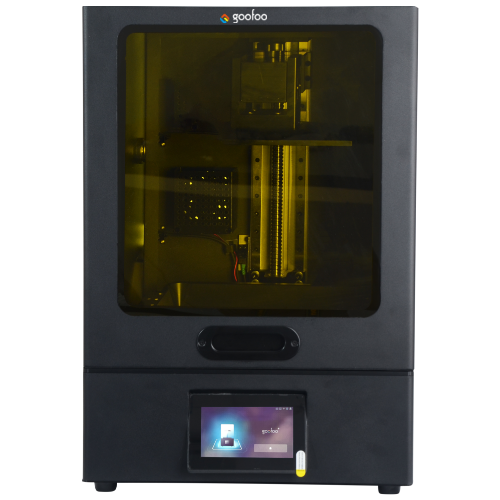
Large build volume Lens-m pro
- Industrial Industrial
-
Material
Material

Resin series

Dental DM100/TC100/ etc.

Jewelry Jewelry Resin

Generic PW100

Industry High Temp Resin

Garage Kit Red wax
-
Expanded
Expanded
Laser Engraver/CNC
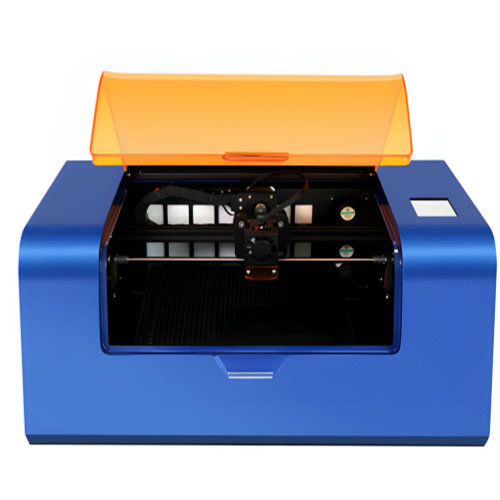
TS3(class1) Laser engraver & cutter 200*300mm
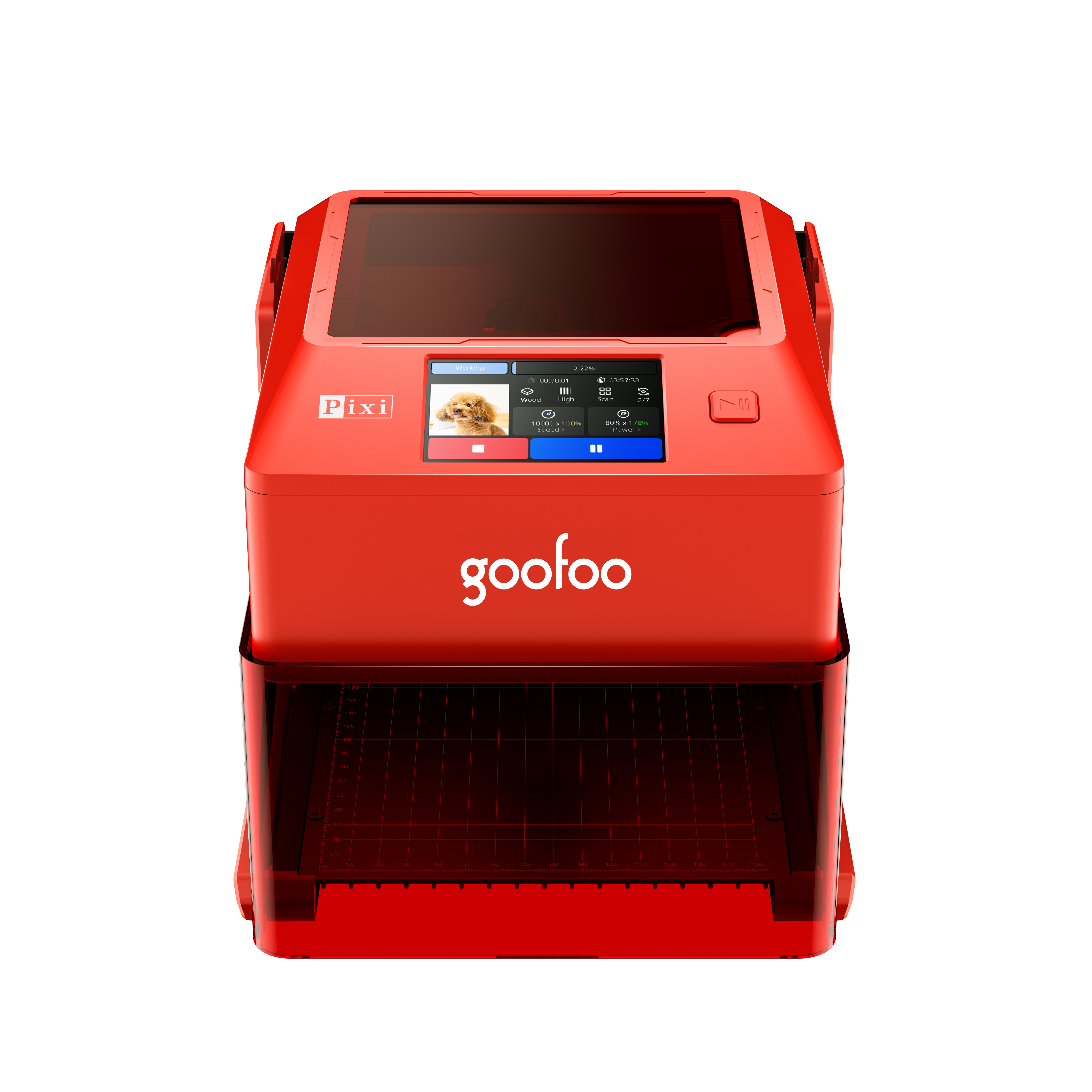
Pixi(class1) Laser engraver & cutter 100*100mm
3D scanner
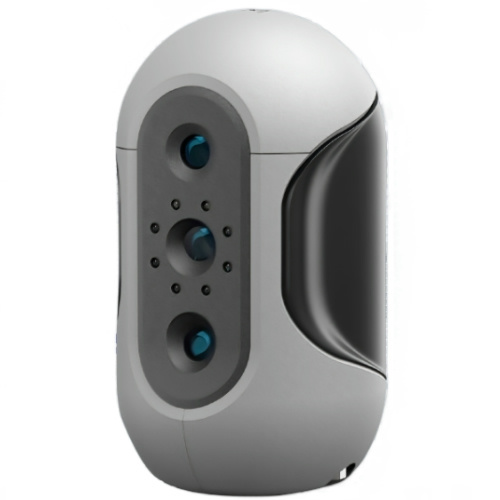
Mole Highest accuracy 0.05mm
- Industries & Applications Industries & Applications
- Support Support
- About Us About Us
- Contact Us Contact Us


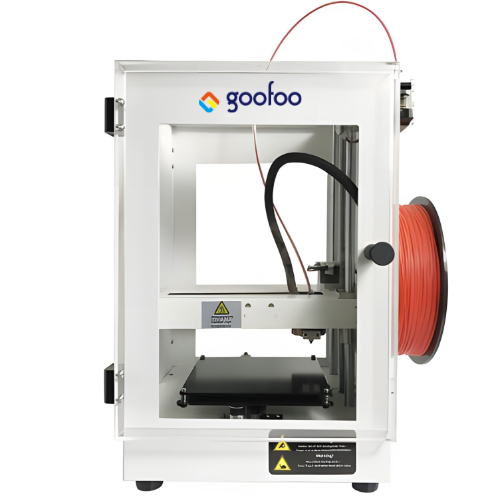
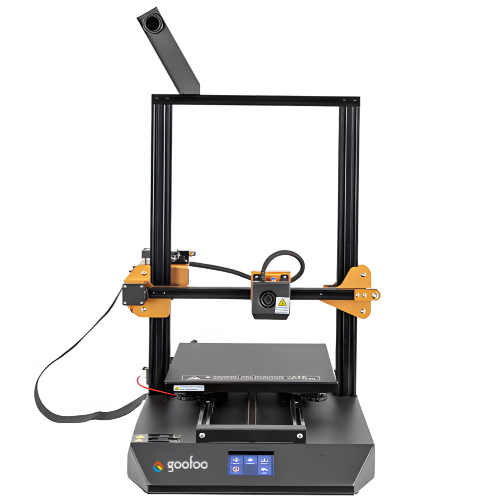
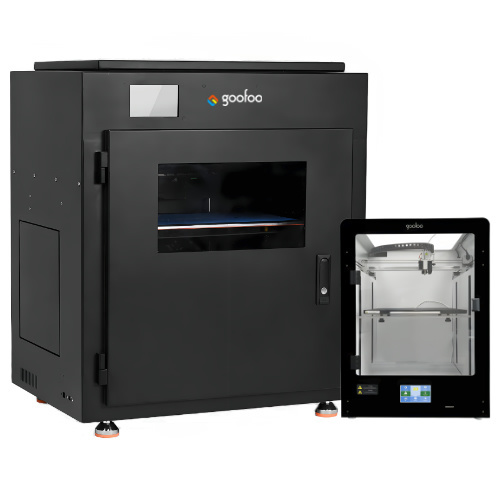
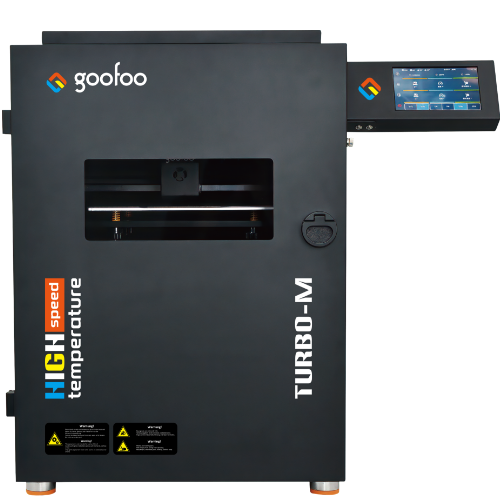
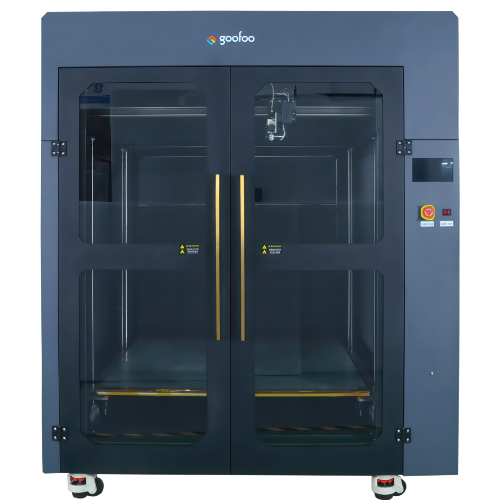
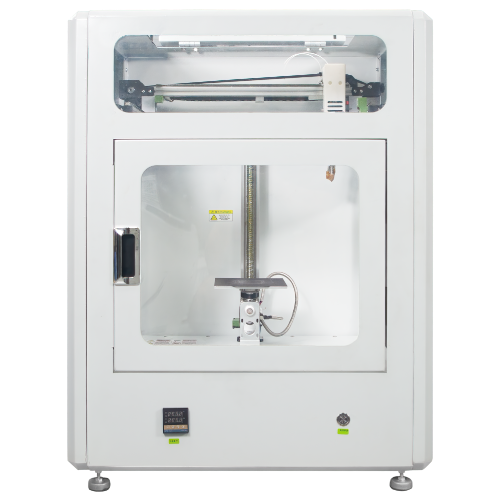
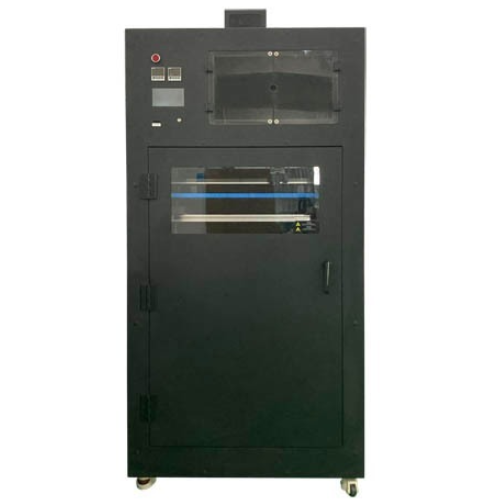
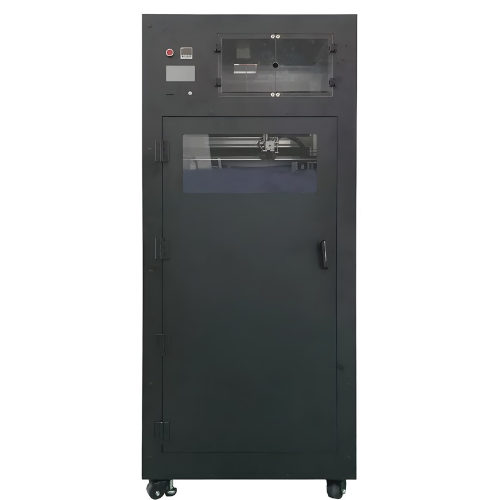
















Understanding 3D Resin Printers: A Comprehensive Guide for Professionals
2024-08-14 09:00
3D resin printers have gained significant traction in the field of digital fabrication, appealing to a variety of industries, including engineering, dental, jewelry, and prototyping. Unlike traditional FDM (Fused Deposition Modeling) printers that use thermoplastic filaments, 3D resin printers utilize photopolymer resins cured by UV light, resulting in highly detailed and precise prints.
One of the key advantages of 3D resin printing is the ability to produce intricate geometries and complex designs that would be difficult, if not impossible, to achieve with other methods. The layer resolution of resin printers typically ranges from 25 to 100 microns, allowing for exceptionally fine details. This capability is particularly valuable in industries such as dental and jewelry design, where precision is paramount.
In addition to detailed prints, 3D resin printers offer a range of material options. These materials can vary in terms of color, transparency, rigidity, and flexibility, thereby broadening the scope of applications. For instance, dental professionals can use biocompatible resins for creating dental models, while engineers might opt for durable resins capable of withstanding stress in functional prototypes.
Moreover, the post-processing phase of 3D resin printing is crucial. After printing, objects typically require cleaning to remove excess resin, followed by curing under UV light to ensure strength and durability. This additional step is essential for achieving the final product's desired physical properties. Professionals should be aware of this workflow as it impacts production timelines and material handling.
While 3D resin printers present numerous advantages, there are considerations to keep in mind. The cost of resin can be higher than that of filament, and the printing process can be a bit messier due to the liquid nature of the resin. Furthermore, proper ventilation and safety measures are necessary when working with these materials, as certain resins can be toxic or irritating.
In summary, 3D resin printers represent a powerful tool for professionals across various sectors. With their ability to deliver high-resolution prints and a diverse range of materials, they open new avenues for innovation and creativity. Understanding the strengths and limitations of 3D resin printing can help professionals make informed decisions when integrating this technology into their projects, ultimately enhancing their capabilities and competitive edge in the marketplace.
3d resin printer
Recommended News
 Esperanto
 Shqiptare
 Euskara
 Zulu
Zulu
 Latinus
 Cymraeg
 தமிழ்
தமிழ்
 Slovak
 Slovak
 Afrikaans
Join us
Subscribe to get the latest news


Skype / WhatsApp: +86 592-5713513 / +86-13860126490
No.88-3, North Tongji Road, Xike County, Tong'an District, Xiamen, Fujian China
Xiamen Goofoo Technology Co., Ltd. All Rights Reserved 闽ICP备2022008070号-1 SEO 300.cn
Phone:+0086 592-5713513
Address: No.88-3, North Tongji Road, Xike County, Tong’an District, Xiamen, Fujian China
Email: sales@goofoo3d.com
We will give you feedback in time