
- Shop Shop
-
Desktop
Desktop
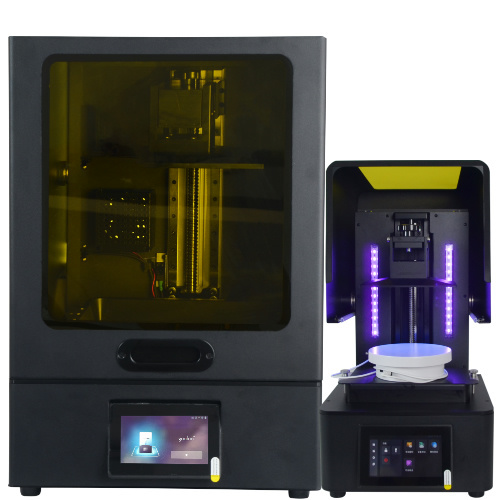
MSLA series
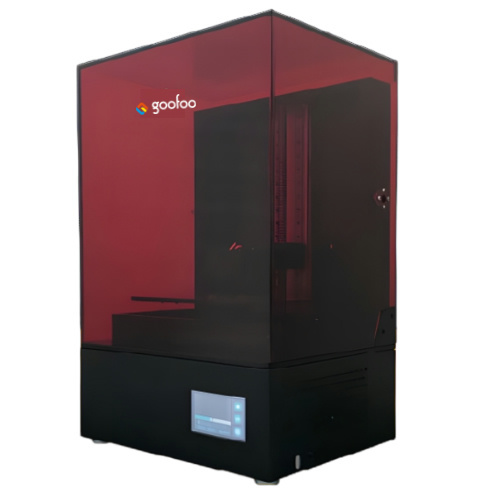
High accuracy Lens-s pro
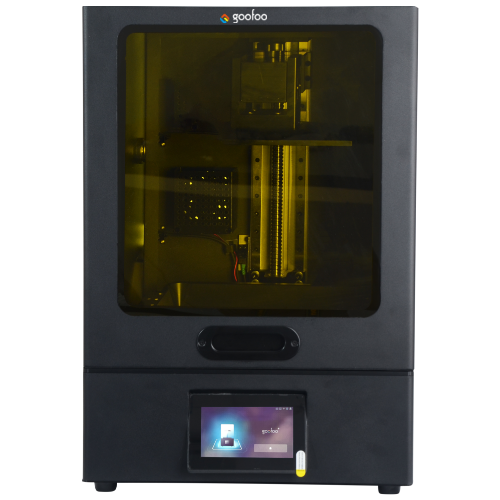
Large build volume Lens-m pro
- Industrial Industrial
-
Material
Material

Resin series

Dental DM100/TC100/ etc.

Jewelry Jewelry Resin

Generic PW100

Industry High Temp Resin

Garage Kit Red wax
-
Expanded
Expanded
Laser Engraver/CNC
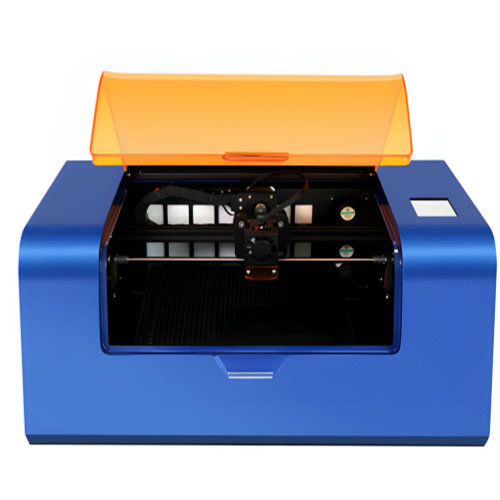
TS3(class1) Laser engraver & cutter 200*300mm
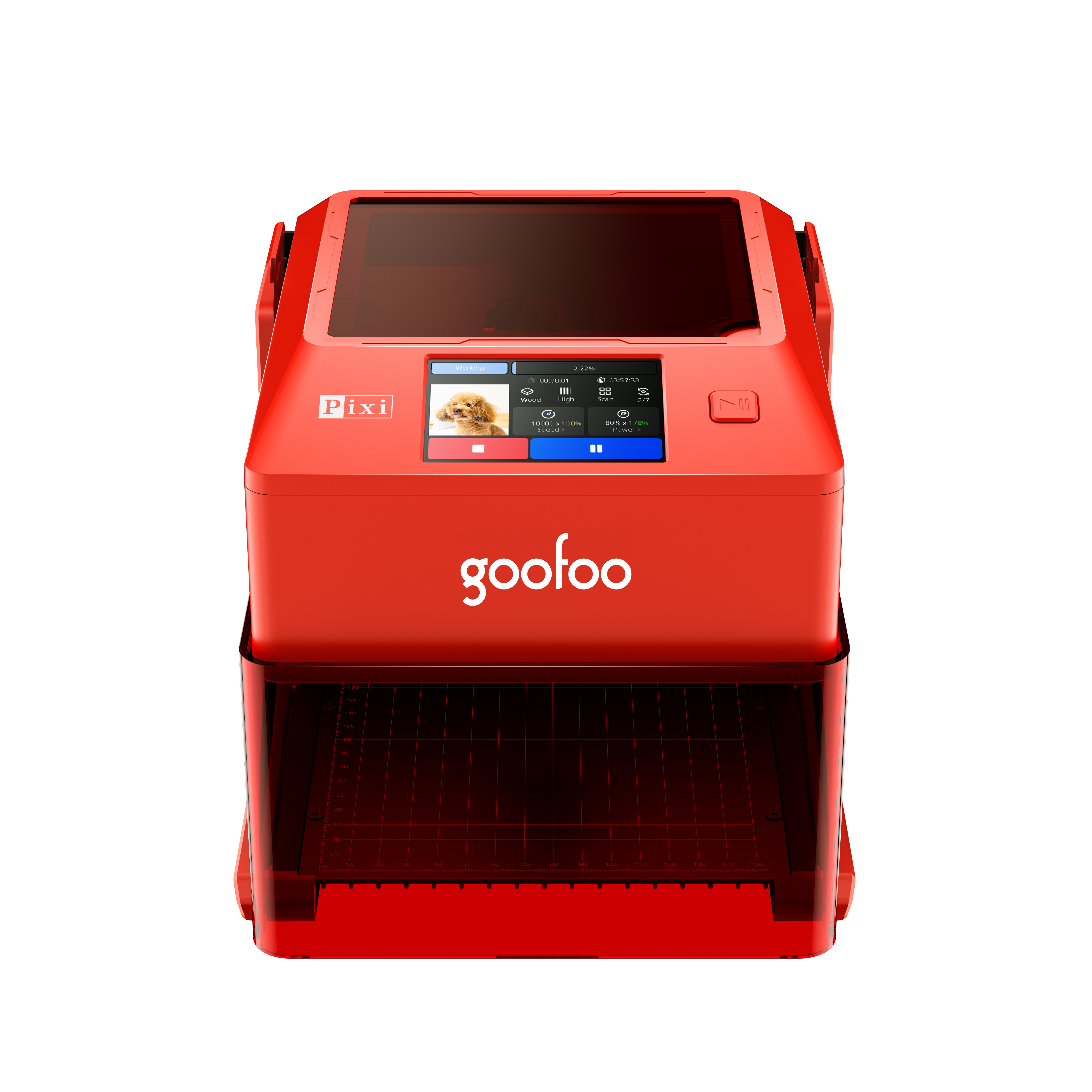
Pixi(class1) Laser engraver & cutter 100*100mm
3D scanner

Mole Highest accuracy 0.05mm
- Industries & Applications Industries & Applications
- Support Support
- About Us About Us
- Contact Us Contact Us


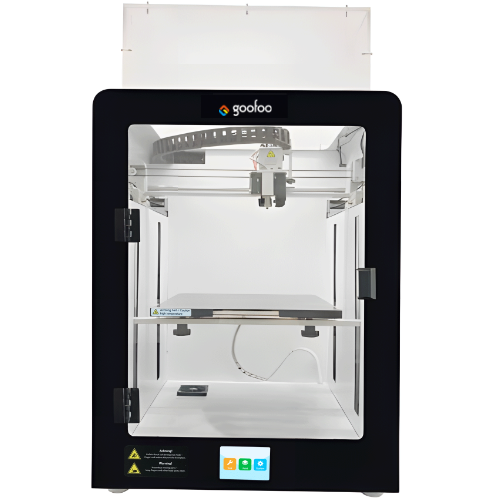
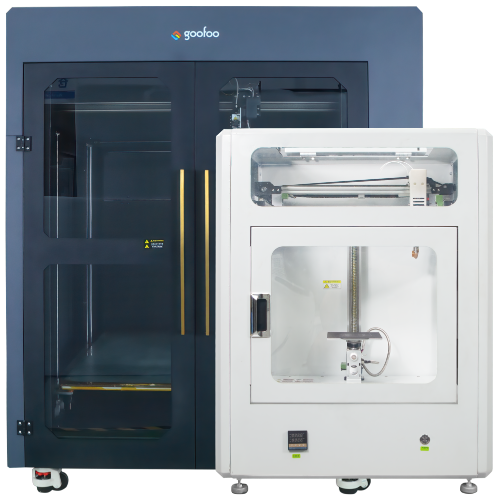
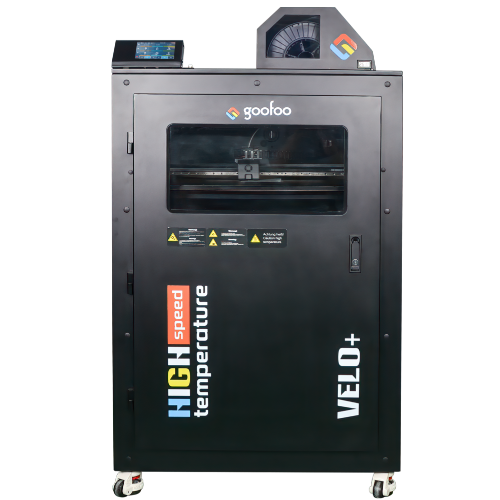
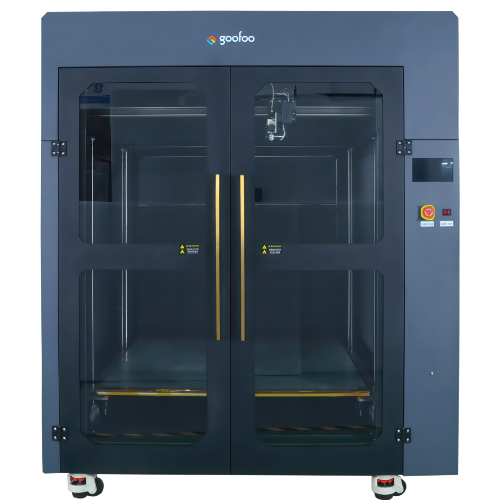
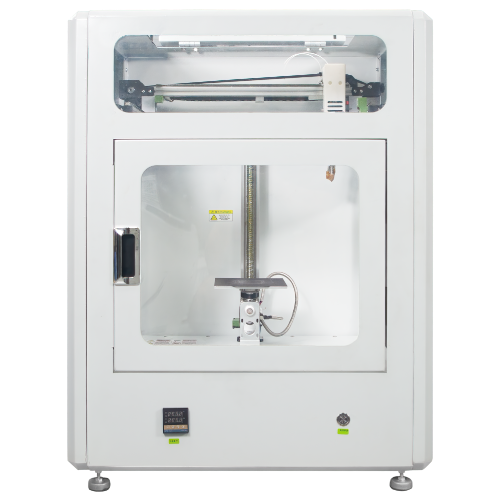
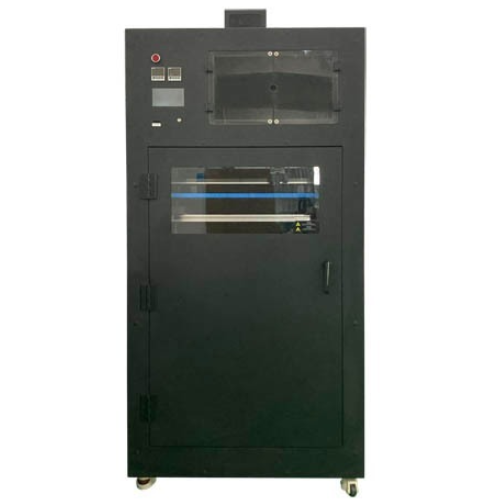
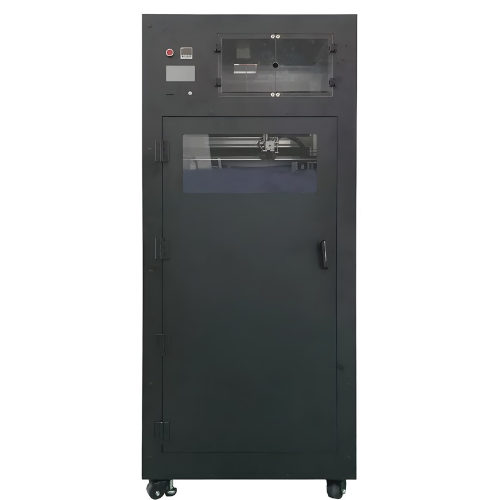
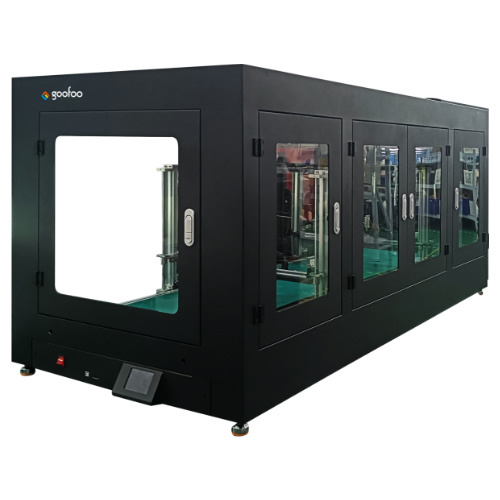


















Unveiling the Future: How SLA 3D Printing Revolutionizes Digital Manufacturing
2024-09-28 09:20
Unveiling the Future: How SLA 3D Printing Revolutionizes Digital Manufacturing
Table of Contents
- 1. Introduction to SLA 3D Printing
- 2. What is SLA 3D Printing?
- 3. Advantages of SLA 3D Printing in Digital Manufacturing
- 4. Key Applications of SLA 3D Printing Across Industries
- 5. The SLA 3D Printing Process Explained
- 6. Materials Used in SLA 3D Printing
- 7. The Future of SLA 3D Printing Technology
- 8. Frequently Asked Questions (FAQs)
- 9. Conclusion
1. Introduction to SLA 3D Printing
SLA (Stereolithography) 3D printing is at the forefront of a manufacturing revolution, providing unprecedented levels of detail and precision. As industries evolve, the demand for innovative production methods continues to rise. SLA 3D printing stands out due to its ability to create complex geometries and intricate designs that traditional manufacturing processes struggle to achieve. This article explores the transformative power of SLA 3D printing and its potential to shape the future of digital manufacturing.
2. What is SLA 3D Printing?
SLA 3D printing is an additive manufacturing technology that utilizes a laser to cure liquid resin into solid plastic. This technique allows for the creation of detailed and high-resolution parts layer by layer. Unlike traditional subtractive manufacturing methods, which remove material to create a part, SLA builds objects from the ground up, minimizing waste and enabling the production of intricate designs that would be impossible with conventional techniques.
How SLA Works
The SLA process begins with a 3D model created using CAD (Computer-Aided Design) software. The model is sliced into thin layers using specialized software, which generates instructions for the printer. A build platform is submerged in a vat of liquid resin, and a UV laser selectively cures the resin according to the sliced model. This process continues layer by layer until the object is fully formed.
3. Advantages of SLA 3D Printing in Digital Manufacturing
SLA 3D printing offers several advantages that make it a preferred choice for many manufacturers:
Precision and Detail
One of the most significant advantages of SLA technology is its ability to produce high-precision components with remarkable detail. This level of accuracy is essential in industries such as dental, aerospace, and jewelry design, where even the slightest error can lead to significant issues.
Materials Versatility
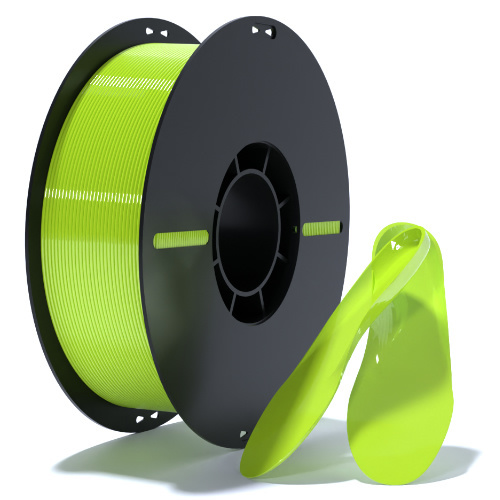
SLA printing accommodates a wide range of materials, including clear, flexible, and high-temperature resins, allowing manufacturers to choose the best material for their specific applications. This versatility enhances design possibilities and enables the production of functional prototypes and end-use parts.
Rapid Prototyping
The speed at which SLA printers can produce parts is another notable advantage. This rapid prototyping capability allows designers and engineers to iterate quickly, reducing time-to-market for new products. By shortening the development cycle, companies can respond faster to market demands and remain competitive.
Reduced Waste
SLA 3D printing is an efficient manufacturing process that reduces material waste compared to traditional subtractive methods. By building parts layer by layer, the only material used is what is necessary for the final product, making SLA a more sustainable option.
4. Key Applications of SLA 3D Printing Across Industries
SLA 3D printing is making waves across various industries, each leveraging its unique capabilities:
1. Aerospace and Defense
Aerospace manufacturers utilize SLA printing to create lightweight components that meet stringent regulations while maintaining structural integrity. Prototyping parts for testing purposes ensures that only the best designs are approved for production.
2. Dental and Medical
In the dental industry, SLA is used to produce custom dental models, surgical guides, and orthodontic devices. The ability to create highly detailed models quickly improves patient outcomes and optimizes workflows.
3. Automotive
Automakers employ SLA technology for prototyping and manufacturing parts, allowing for faster design iterations and reduced costs. Custom tooling and fixtures can also be produced, streamlining the assembly process.
4. Consumer Goods
The consumer goods sector benefits from SLA printing by creating prototypes for product testing, enabling brands to gather consumer feedback before mass production. This agile approach allows for a more responsive product development cycle.
5. Jewelry
Jewelry designers use SLA to create intricate and detailed pieces that traditional methods cannot achieve. The ability to print designs directly saves time and costs associated with mold-making.
5. The SLA 3D Printing Process Explained
Understanding the SLA process provides insight into its effectiveness in digital manufacturing:
Step 1: Design Creation
The journey begins with a computer-generated 3D model, meticulously designed to meet the specifications and requirements of the intended application. CAD software plays a crucial role in this stage.
Step 2: Slicing the Model
Once the design is created, it must be sliced into layers using slicing software. This software generates the necessary instructions for the printer, detailing how each layer will be printed.
Step 3: Printing
The SLA printer then begins the process of curing resin with a UV laser, layer by layer. As each layer cures, the build platform rises incrementally to allow for the next layer to be printed.
Step 4: Post-Processing
After printing, the part undergoes a post-curing process to ensure it reaches its final strength. This may involve additional exposure to UV light and cleaning to remove any uncured resin.
Step 5: Finishing Touches
Finally, the printed part can be sanded, painted, or otherwise finished to achieve the desired appearance and performance characteristics.
6. Materials Used in SLA 3D Printing
The selection of materials for SLA printing is crucial, as they dictate the characteristics of the final product. Common materials include:
Standard Resins
Standard resins are clear or colored materials that offer good detail and surface finish. They are ideal for prototypes and models that do not require specific mechanical properties.
Flexible Resins
Flexible resins allow for the production of parts that can bend and compress, making them suitable for applications in consumer products and medical devices.
High-Temperature Resins
High-temperature resins are designed for applications that involve heat exposure. These materials maintain their shape and integrity even under extreme conditions.
Dental Resins
SLA offers specialized dental resins tailored for the production of dental models, guides, and aligners, ensuring precision and biocompatibility.
7. The Future of SLA 3D Printing Technology
The future of SLA 3D printing looks promising, with ongoing advancements aimed at improving speed, accuracy, and material properties. Innovations such as faster laser systems, multi-material printing, and enhanced software capabilities are paving the way for broader adoption across industries.
As the demand for customized solutions grows, SLA technology will likely evolve to meet these needs, providing manufacturers with the tools to create unique products efficiently. Additionally, as sustainability becomes a priority, SLA's reduced material waste and efficient production methods will position it as a leader in eco-friendly manufacturing.
8. Frequently Asked Questions (FAQs)
1. What is the difference between SLA and FDM 3D printing?
SLA uses a laser to cure liquid resin, resulting in high precision and smooth finishes, while FDM (Fused Deposition Modeling) extrudes thermoplastic filament, which may not achieve the same level of detail.
2. How long does it take to print an object with SLA?
Print times vary based on object size and complexity, but SLA typically offers faster turnaround compared to traditional manufacturing methods.
3. Can SLA printing produce functional parts?
Yes, SLA can produce functional parts, particularly when using specialized resins designed for mechanical strength and durability.
4. Is SLA 3D printing expensive?
While initial costs for SLA printers and resins can be higher than FDM, the benefits of precision and rapid prototyping can lead to cost savings in the long run.
5. How do I maintain an SLA 3D printer?
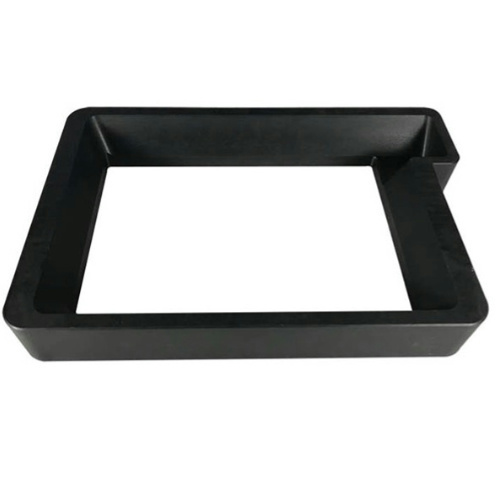
Regular maintenance includes cleaning the resin vat, checking the laser optics, and ensuring the printer's mechanical components are in good condition.
9. Conclusion
SLA 3D printing is revolutionizing digital manufacturing, offering unparalleled precision, speed, and versatility. Its ability to create intricate designs with minimal waste positions it as a critical technology for the future of various industries. As advancements continue to emerge, SLA will undoubtedly play a significant role in the evolution of manufacturing, driving innovation and enabling businesses to adapt to an ever-changing market. Investing in SLA technology is not just about keeping pace; it’s about seizing opportunities for growth and transformation in a rapidly evolving landscape.
sla 3d printer
Recommended News
 Esperanto
 Shqiptare
 Euskara
 Zulu
Zulu
 Latinus
 Cymraeg
 தமிழ்
தமிழ்
 Slovak
 Slovak
 Afrikaans
Join us
Subscribe to get the latest news


Skype / WhatsApp: +86 592-5713513 / +86-13860126490
No.88-3, North Tongji Road, Xike County, Tong'an District, Xiamen, Fujian China
Xiamen Goofoo Technology Co., Ltd. All Rights Reserved 闽ICP备2022008070号-1 SEO 300.cn
Phone:+0086 592-5713513
Address: No.88-3, North Tongji Road, Xike County, Tong’an District, Xiamen, Fujian China
Email: sales@goofoo3d.com
We will give you feedback in time