
- Shop Shop
-
Desktop
Desktop
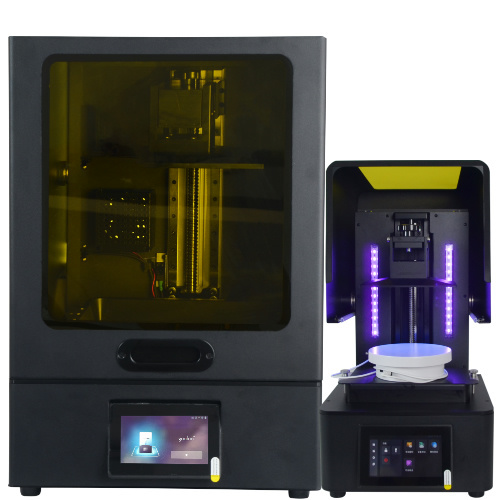
MSLA series
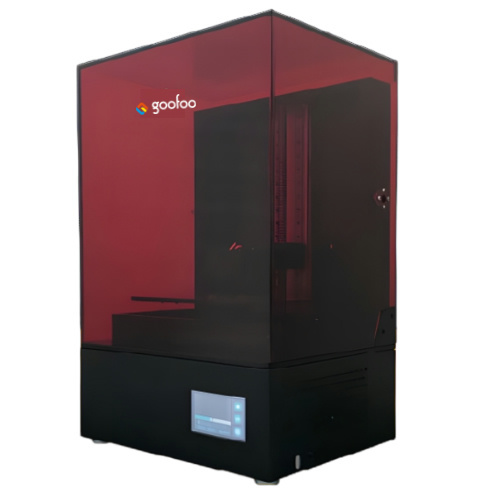
High accuracy Lens-s pro
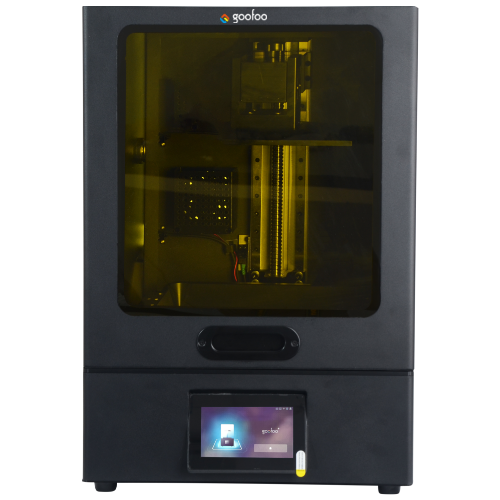
Large build volume Lens-m pro
- Industrial Industrial
-
Material
Material

Resin series

Dental DM100/TC100/ etc.

Jewelry Jewelry Resin

Generic PW100

Industry High Temp Resin

Garage Kit Red wax
-
Expanded
Expanded
Laser Engraver/CNC
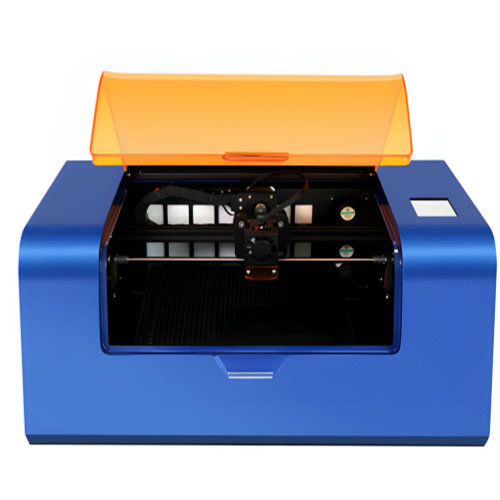
TS3(class1) Laser engraver & cutter 200*300mm
Pixi(class1) Laser engraver & cutter 100*100mm
3D scanner
Mole Highest accuracy 0.05mm
- Industries & Applications Industries & Applications
- Support Support
- About Us About Us
- Contact Us Contact Us


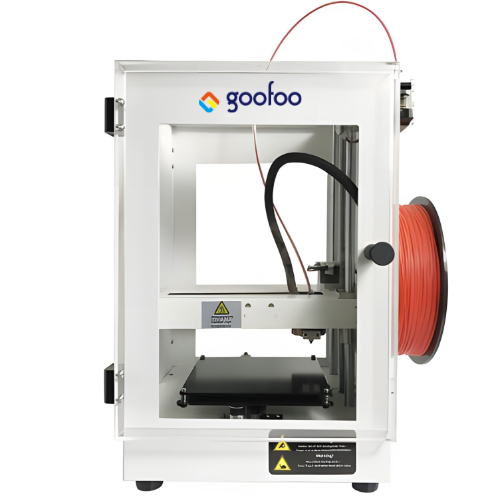
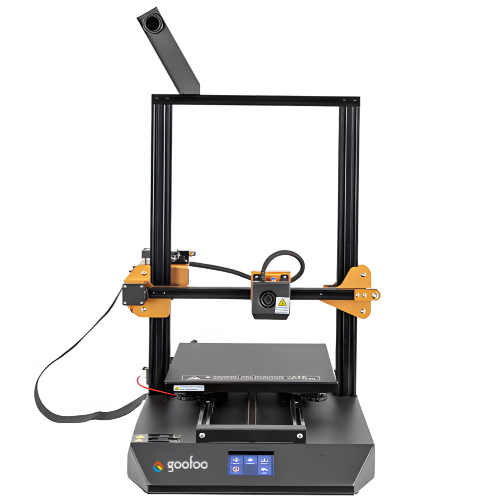
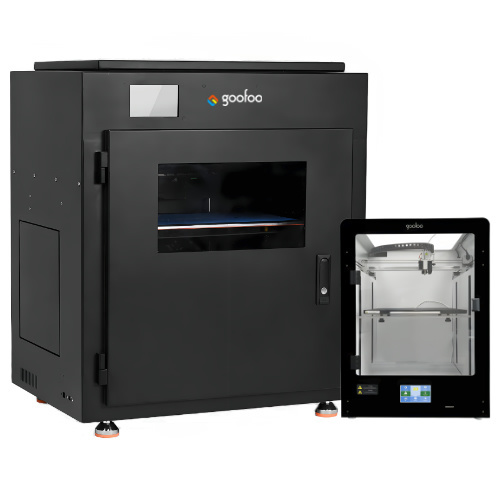
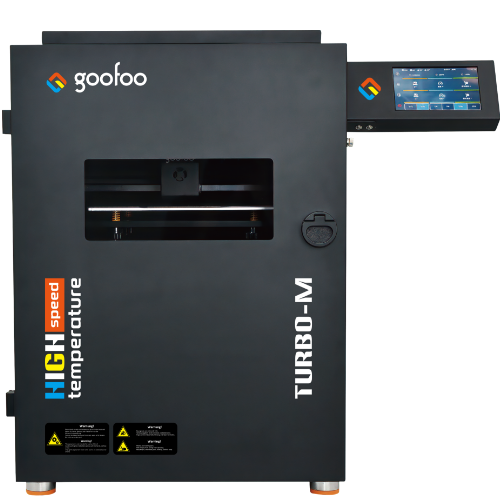













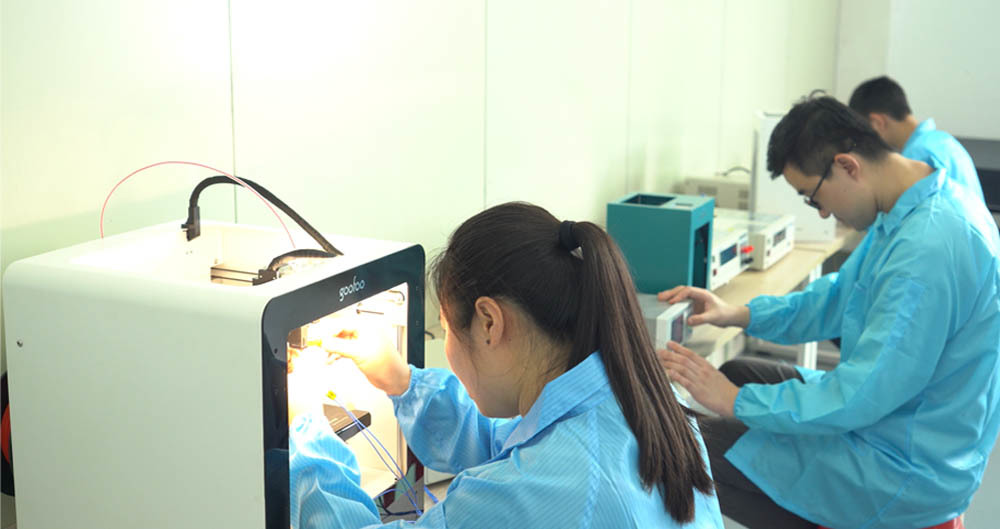




Unlocking Creativity: A Comprehensive Guide to 3D Printer Software
2024-09-23 09:00
---
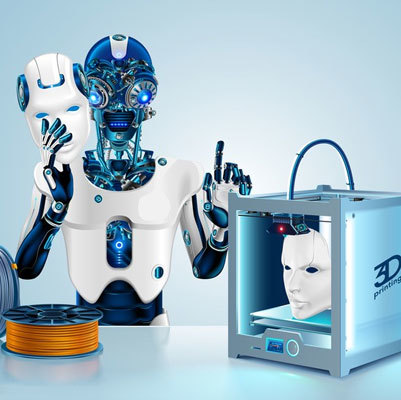
3D printer software plays a crucial role in the world of additive manufacturing, enabling users to bring their creative visions to life. The core function of this software is to convert 3D models into instructions that the printer can understand, allowing it to build objects layer by layer. There are several types of 3D printer software, each designed for specific stages of the printing process.
One of the primary categories of 3D printer software is CAD (Computer-Aided Design) software. CAD tools are used to create detailed 3D models that serve as blueprints for what will ultimately be printed. Popular CAD software options include Blender, Tinkercad, and Fusion 360. Each of these programs offers unique features tailored to different user needs, from beginners to advanced designers. In addition to model creation, CAD software typically includes a range of tools for editing, sculpting, and optimizing designs for 3D printing.
Once the 3D model is created, the next step involves slicing the model into manageable layers. This is where slicing software comes into play. Slicing software takes the 3D model and generates the G-code, which is a set of instructions that the 3D printer follows during the printing process. Some widely used slicing software includes Ultimaker Cura, PrusaSlicer, and Simplify3D. These programs allow users to adjust various settings, such as layer height, print speed, and infill density, to achieve the desired outcome.
An essential feature of 3D printer software is the ability to preview the print. Most slicing software provides a visualization tool that allows users to see how their model will be printed layer by layer. This feature is invaluable as it helps identify potential issues before the actual printing begins, reducing material waste and saving time.
Moreover, many 3D printer software options come equipped with libraries of pre-existing models that users can download and print. This feature is particularly beneficial for those who may not have the skills or time to create their own models from scratch. Users can customize these models to suit their needs, further enhancing the versatility of 3D printing.
In conclusion, 3D printer software is an integral component of the 3D printing process, comprising various tools for design, slicing, and print preparation. Whether you are a hobbyist looking to create fun projects or a professional designer working on intricate prototypes, understanding the capabilities of 3D printer software will empower you to maximize your printing potential. Embrace the technology, and let your creativity flow!
3d printer software
Recommended News
 Esperanto
 Shqiptare
 Euskara
 Zulu
Zulu
 Latinus
 Cymraeg
 தமிழ்
தமிழ்
 Slovak
 Slovak
 Afrikaans
Join us
Subscribe to get the latest news


Skype / WhatsApp: +86 592-5713513 / +86-13860126490
No.88-3, North Tongji Road, Xike County, Tong'an District, Xiamen, Fujian China
Xiamen Goofoo Technology Co., Ltd. All Rights Reserved 闽ICP备2022008070号-1 SEO 300.cn
Phone:+0086 592-5713513
Address: No.88-3, North Tongji Road, Xike County, Tong’an District, Xiamen, Fujian China
Email: sales@goofoo3d.com
We will give you feedback in time