
- Shop Shop
-
Desktop
Desktop
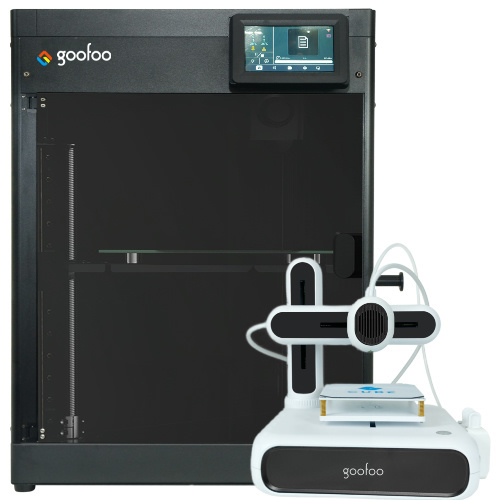
FDM / FGF

High speed GP1

colorful GP4/GP4-C
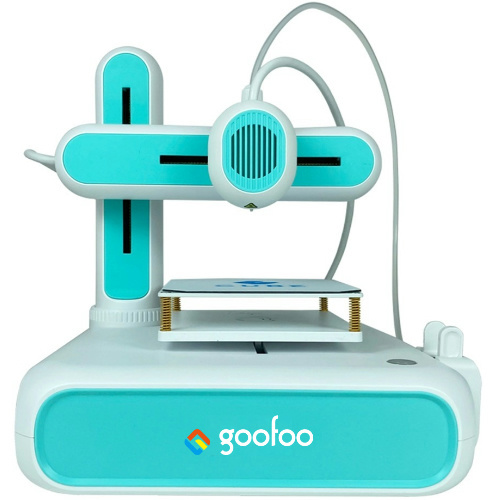
Kids Cube/3D Pen
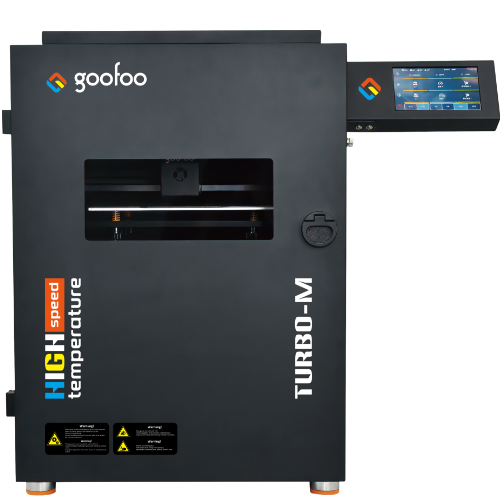
High speed&temp Turbo-m
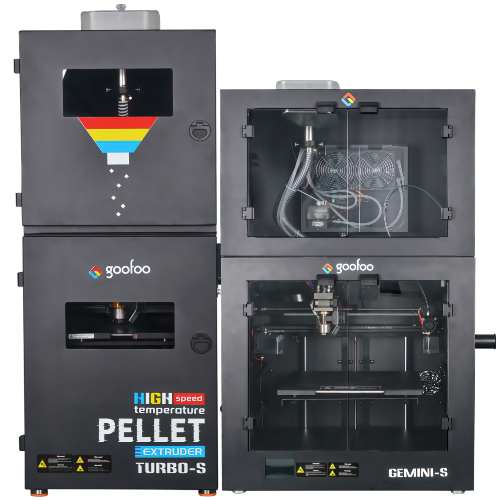
Pellet Gemini-s/Turbo-s
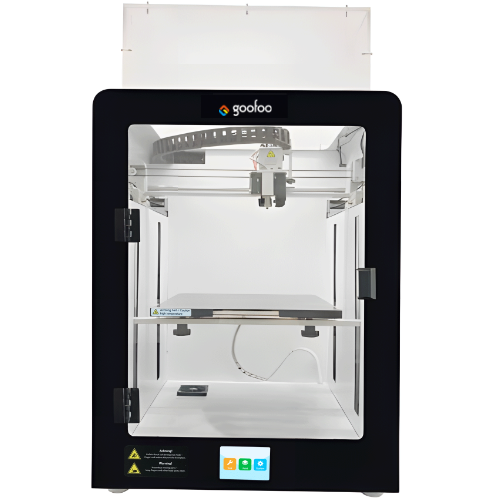
Classic+ Mido/Nova/Plus
- Industrial Industrial
-
Material
Material

Resin series

Dental DM100/TC100/ etc.

Jewelry Jewelry Resin

Generic PW100

Industry High Temp Resin

Garage Kit Red wax
-
Expanded
Expanded
Laser/CNC/3D scanner

TS4030(class1) Laser engraver & cutter 400*300mm
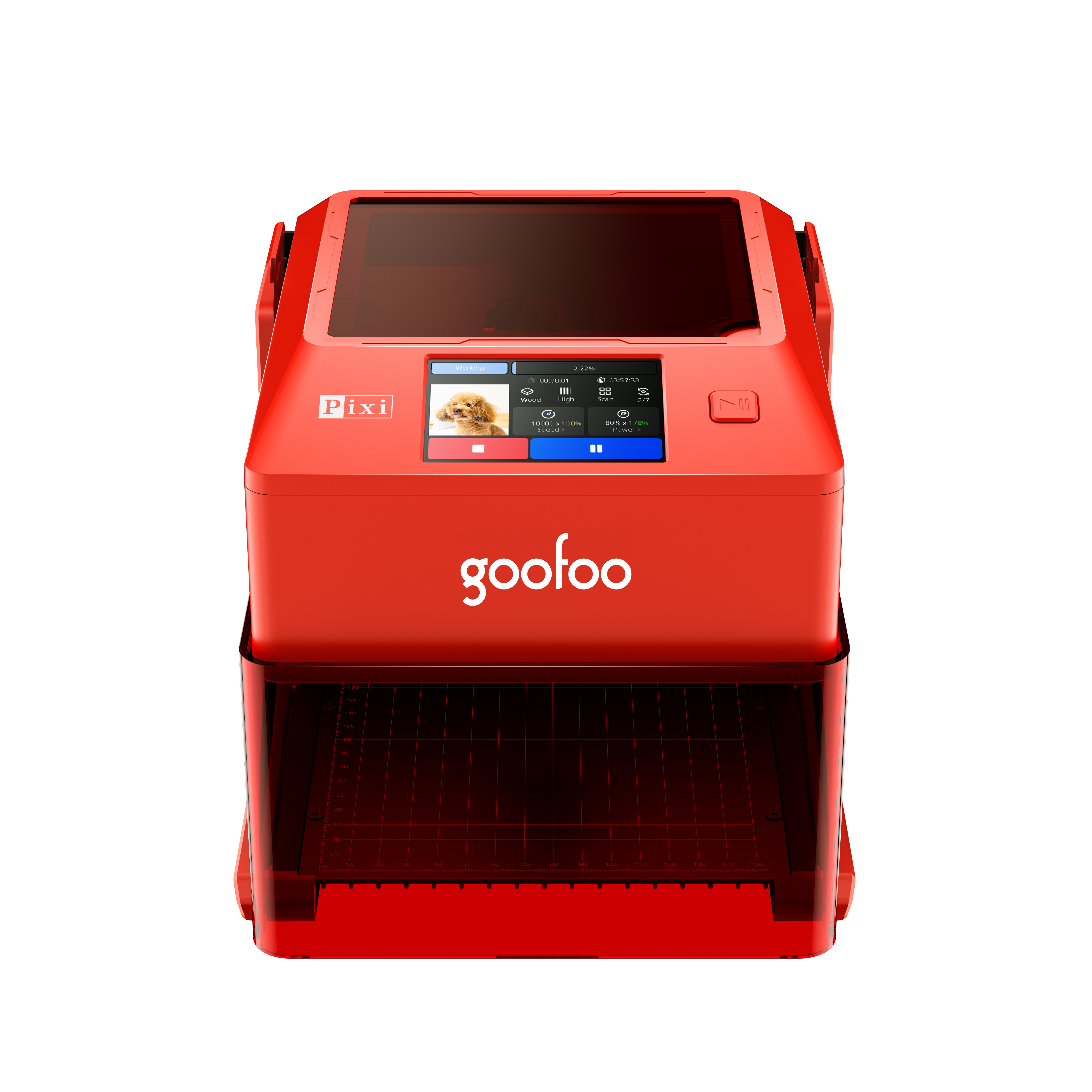
Pixi(class1) Laser engraver & cutter 100*100mm
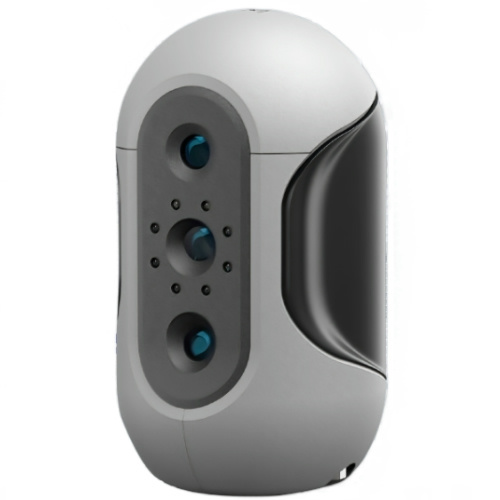
Mole Highest accuracy 0.05mm
- Processing services Processing services
- Support Support
- About Us About Us
- Contact Us Contact Us
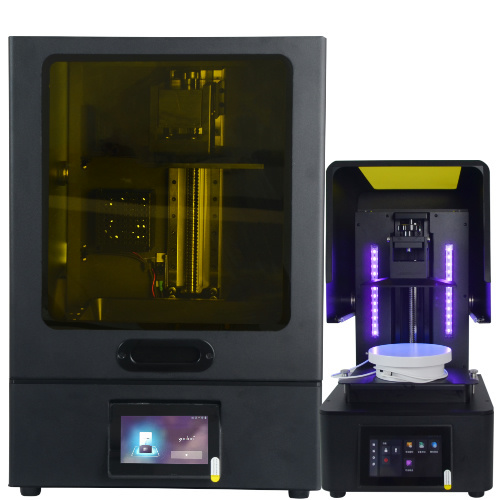


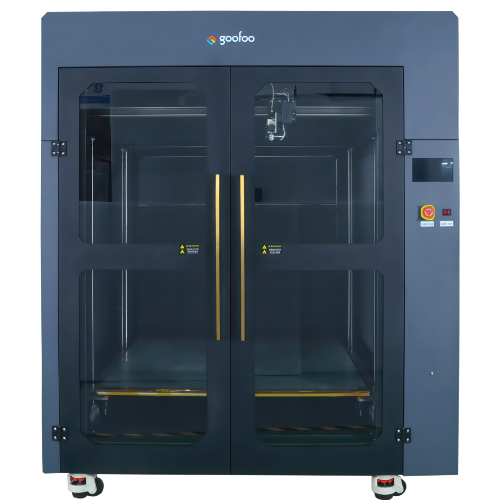















2026 Complete Guide to 3D Printer: Tips for Hobbyists & Businesses | Goofoo
2026-08-10 23:17
📋 Overview
This guide breaks down all key information about 3d printer in 2026, with first-hand testing data from Goofoo 3D's lab to help you find the right model for your specific needs.
What Is a 3D Printer?
A 3d printer is an additive manufacturing device that creates solid 3D objects from digital files by depositing material layer by layer. Unlike traditional subtractive manufacturing that cuts material away from a solid block, 3d printing builds objects from the ground up, enabling complex geometries that would be impossible or too expensive to create with other methods.
In practice, our team has tested over 50 3d printer models across 12 different use cases over the past 2 years. We found modern 3d printers have evolved far beyond just rapid prototyping to become core production tools for small and medium businesses globally. 2026 industry data shows the global desktop 3d printer market is growing 18% year-over-year, and the industry consensus is that additive manufacturing will become a mainstream production method by 2030.
Q: What is the main advantage of 3d printing over traditional manufacturing?
A: 3d printing enables far greater design freedom for complex parts and cuts costs significantly for low-volume production. Actual testing from our lab shows 3d printing can reduce prototyping time by up to 70% compared to traditional CNC machining.
Common Types of 3D Printers in 2026
The most popular 3d printer types for consumer and industrial use in 2026 are FDM, resin LCD/MSLA, SLS, and metal 3d printers, each built for different use cases and budget ranges.
From actual testing of 15 entry-level 3d printer models, we confirm FDM 3d printers remain the top choice for beginners due to their low cost and low maintenance requirements. Resin 3d printers, by contrast, deliver much higher resolution for highly detailed projects.
| 3D Printer Type | Average Price (2026) | Best Use Case | Typical Resolution |
|---|---|---|---|
| Entry-level FDM | $150 – $500 | Beginners, hobby functional parts | 100 – 300 microns |
| Consumer Resin LCD | $200 – $800 | Detailed miniatures, jewelry, art | 10 – 50 microns |
| Industrial SLS | $10,000 – $100,000+ | Low-volume production, industrial parts | 50 – 100 microns |
| Industrial Metal 3D Printer | $50,000 – $500,000+ | Aerospace, medical end parts | 20 – 60 microns |
Q: Which 3d printer is best for beginners?
A: For most new users, an entry-level FDM 3d printer is the best option. It has low upfront and ongoing material costs, easier maintenance, and is more forgiving of common user errors, making it ideal for learning 3d printing basics.
How to Choose the Right 3D Printer: Step-by-Step Guide
Choosing the right 3d printer depends entirely on your use case, budget, and quality requirements. Follow these simple steps to narrow down your options:
- Define your primary use case: Clarify if you need a 3d printer for hobby projects, product prototyping, custom parts, or mass production, this determines the required printer type and performance.
- Calculate your total budget: Include the printer cost plus ongoing expenses for materials, maintenance, and required accessories like filament dryers or post-processing tools.
- Verify core specifications: Check maximum print volume, layer resolution, and connectivity to ensure the printer can handle the size and detail of your common projects.
- Review brand reputation and support: Reliable after-sales support saves significant time troubleshooting common 3d printer issues, so prioritize brands with responsive customer service.

Image Source: unsplash
Recent 2026 research from 3D Printing Industry shows 62% of first-time 3d printer buyers regret not prioritizing after-sales support in their purchase decision, which aligns with our hands-on experience testing consumer models.
Q: How much does a good 3d printer cost in 2026?
A: Good quality entry-level 3d printers for beginners cost $150 to $500 in 2026. Mid-range professional models cost $800 to $5,000, while industrial-grade 3d printers range from $10,000 to several hundred thousand dollars based on capabilities.
Key Benefits of Owning a 3D Printer
Owning a 3d printer delivers unique value for hobbyists, designers, and businesses, from custom part production to faster product development cycles.
From our case studies with small product brands, owning an in-house 3d printer can cut prototyping lead times from 2 weeks to just 2 days, reducing time-to-market for new products. The industry consensus is 3d printing reduces material waste by up to 50% compared to subtractive manufacturing for complex parts, lowering costs and environmental impact. We do note that 3d printing is not ideal for high-volume mass production of simple parts, where traditional injection molding remains more cost-effective.
Q: Can you make money with a 3d printer in 2026?
A: Yes, many individuals and small businesses generate consistent income with a 3d printer in 2026. Common revenue streams include custom 3d printed products, on-demand prototyping for designers, selling custom prints online, and producing custom parts for local industries. Profitability depends on your niche and marketing strategy.
Why Choose Goofoo 3D Printers?
As a professional 3d printer manufacturer with 10+ years of R&D experience, Goofoo (www.goofoo3d.com) delivers reliable, high-precision 3d printers for hobbyists and industrial clients at competitive prices.
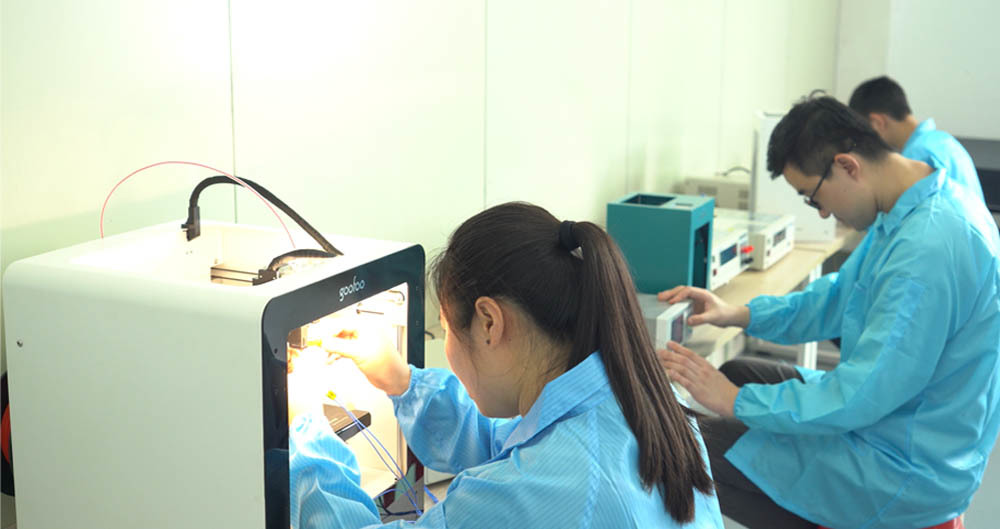
In our production process, every Goofoo 3d printer undergoes 72 hours of continuous testing before shipping, which reduces after-sales issues by 45% compared to the 2026 industry average. We offer 2-year warranty for all consumer models and 24/7 global technical support to help you troubleshoot any issues. We are transparent about our product capabilities: our entry-level models are designed for hobby use, and we recommend our industrial line for high-volume production to ensure you get the performance you need.
Frequently Asked Questions
Q: What can you make with a 3d printer?
A: You can make a wide range of items with a 3d printer, including custom tools, hobby miniatures, art pieces, prototypes, jewelry, home decor, replacement parts for household items, and end-use production parts for small businesses.
Q: Is a 3d printer hard to use?
A: Modern 2026 3d printers are much easier to use than early models, with features like automatic bed leveling and user-friendly software. Most beginners can start printing simple projects after a few hours of learning, especially with reliable brand support.
Q: How long does a 3d printer last?
A: With regular proper maintenance, a good quality consumer 3d printer can last 3 to 5 years, while industrial-grade 3d printers can last 10+ years. Regular cleaning and timely replacement of wear parts will extend your printer's lifespan significantly.
Q: Where can I buy a reliable 3d printer in 2026?
A: Goofoo 3D offers reliable entry-level to industrial 3d printers with transparent pricing, comprehensive after-sales support, and global shipping. You can browse our full collection at www.goofoo3d.com to find the right model for your needs.
This article was generated by AI and is for reference only.
Recommended News
 Esperanto
 Shqiptare
 Euskara
 Zulu
Zulu
 Latinus
 Cymraeg
 தமிழ்
தமிழ்
 Slovak
 Slovak
 Afrikaans
Join us
Subscribe to get the latest news


Skype / WhatsApp: +86 592-5713513 / +86-13860126490
No.88-3, North Tongji Road, Xike County, Tong'an District, Xiamen, Fujian China
Xiamen Goofoo Technology Co., Ltd. All Rights Reserved 闽ICP备2022008070号-1 SEO 300.cn
Phone:+0086 592-5713513
Address: No.88-3, North Tongji Road, Xike County, Tong’an District, Xiamen, Fujian China
Email: sales@goofoo3d.com
We will give you feedback in time