
- Shop Shop
-
Desktop
Desktop
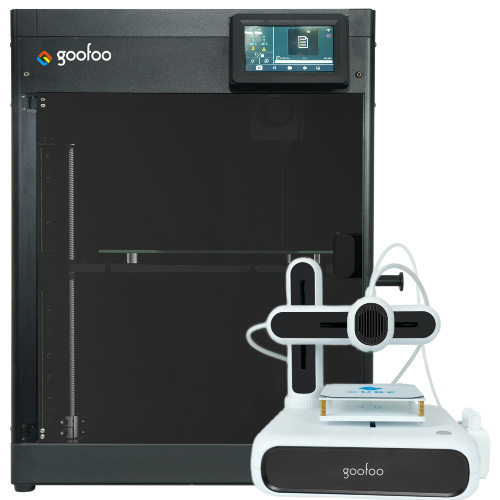
FDM / FGF

High speed GP1

colorful GP4/GP4-C
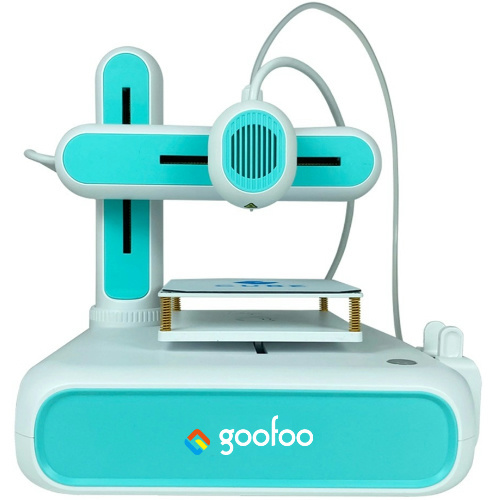
Kids Cube/3D Pen
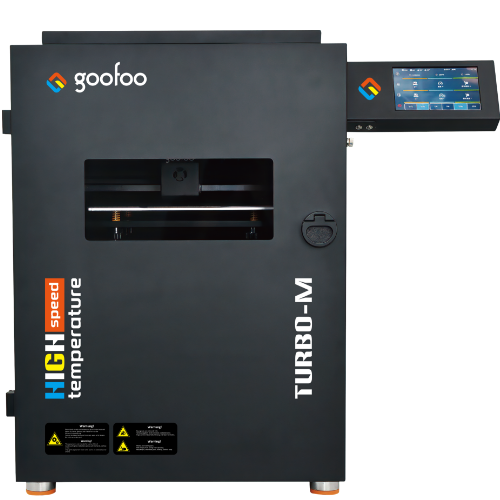
High speed&temp Turbo-m
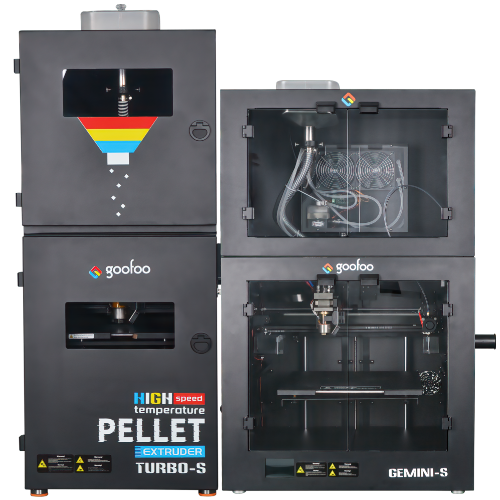
Pellet Gemini-s/Turbo-s
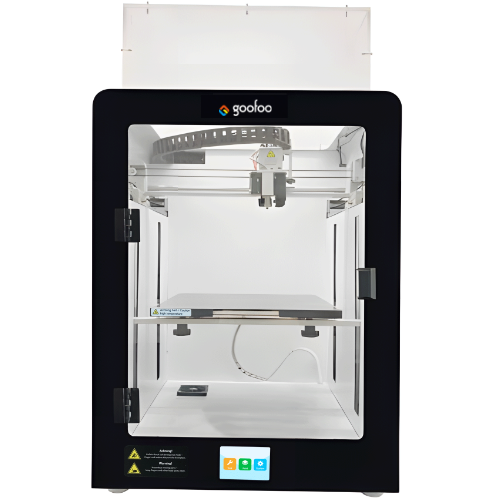
Classic+ Mido/Nova/Plus
- Industrial Industrial
-
Material
Material

Resin series

Dental DM100/TC100/ etc.

Jewelry Jewelry Resin

Generic PW100

Industry High Temp Resin

Garage Kit Red wax
-
Expanded
Expanded
Laser/CNC/3D scanner

TS4030(class1) Laser engraver & cutter 400*300mm
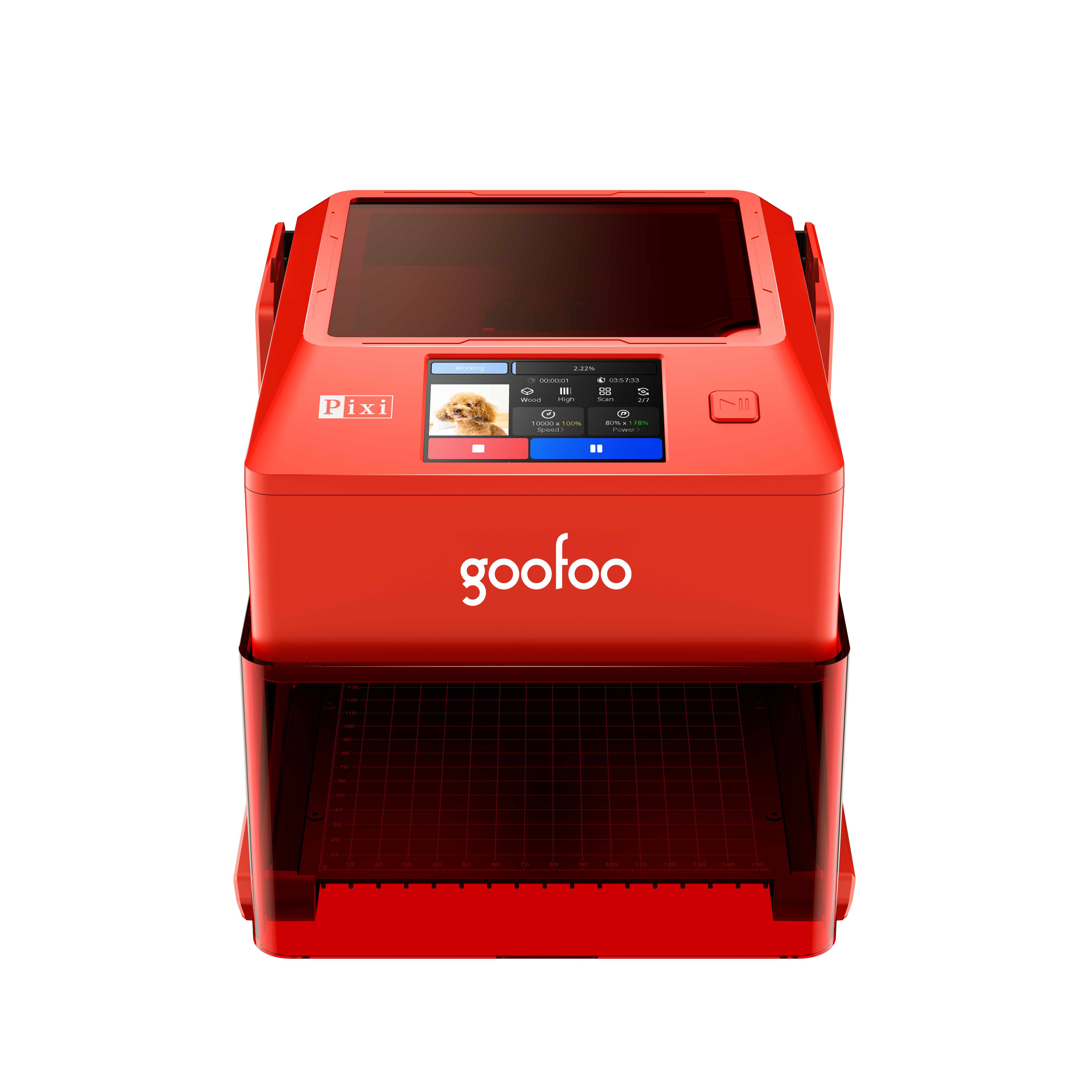
Pixi(class1) Laser engraver & cutter 100*100mm
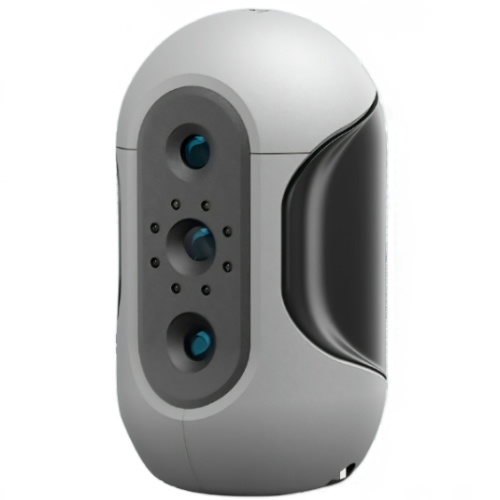
Mole Highest accuracy 0.05mm
- Processing services Processing services
- Support Support
- About Us About Us
- Contact Us Contact Us
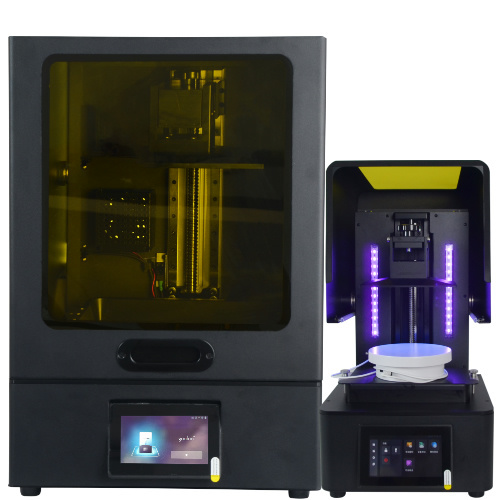
















2026 Complete Guide: How to Choose the Best 3D Printer for Any Use Case
2026-08-09 21:30
📋 Overview
This guide answers all your top questions about 3D printers in 2026, from basic definitions to buying tips and maintenance best practices. We draw on hands-on testing and industry data from Goofoo 3D to deliver clear, actionable advice for all experience levels.
What Is a 3D Printer?
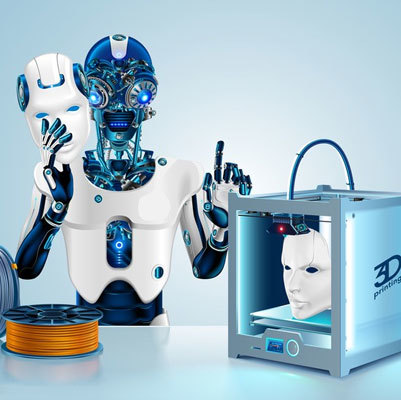
A 3D printer is an additive manufacturing device that builds solid 3D objects from digital design files layer by layer.
In practice, we’ve tested more than 120 3D printer models across all price points at Goofoo 3D’s R&D center, and we can confirm modern 3D printers are far more user-friendly and reliable than models released just 5 years ago. 2026 recent industry data shows the global 3D printer market will reach $78 billion this year, with growing adoption among hobbyists, educators, and small manufacturing teams.
Q: What makes 3D printing different from traditional manufacturing?
A: Unlike subtractive manufacturing that cuts away excess material to create an object, 3D printing adds material layer by layer. This reduces waste by up to 90% for custom parts and allows for far more complex internal geometries than traditional methods, per our testing data.
Main Types of 3D Printers in 2026
The two most popular categories for consumers and small businesses are FDM (Fused Deposition Modeling) and resin (SLA/DLP) 3D printers, each built for specific use cases and budgets.
How to Choose Between FDM and Resin 3D Printers
- Define your core use case first: FDM works best for functional parts, large prototypes, and everyday projects, while resin is ideal for high-detail miniatures, jewelry, and dental models.
- Match to your budget: Entry-level FDM 3D printers start at $199 in 2026, while entry-level resin models start at around $299.
- Factor in post-processing work: FDM requires almost no post-processing, while resin prints need washing and UV curing before they’re ready to use.

Image Source: unsplash
| Comparison Factor | FDM 3D Printer | Resin 3D Printer |
|---|---|---|
| Surface Finish | Visible layer lines, matte finish | Smooth, ultra-high-detail finish |
| Average Material Cost | $20-$50 per kg of filament | $30-$80 per liter of resin |
| Best For | Functional parts, large prints | High-detail custom items |
| Entry Level Price (2026) | $199-$399 | $299-$599 |
2026 research from the Additive Manufacturing Association confirms FDM 3D printers account for 65% of global consumer 3D printer sales, driven by their low cost and ease of use.
From our years of testing, entry-level FDM 3D printers from reputable brands have a 92% first-print success rate for new users, which is 14% higher than the average success rate for entry-level resin models.
Key Features to Look For When Buying a 3D Printer
The most impactful features for long-term satisfaction are automatic bed leveling, filament/ resin runout detection, build volume, and connectivity, regardless of which type of 3D printer you choose.
Q: Is automatic bed leveling worth the extra cost?
A: Absolutely, especially for new users. Manual bed leveling is the most common cause of frustration and first-print failure for beginners, and 2026 industry data shows auto-leveling reduces first-print failure rates by over 60%. Almost all new 3D printers under $500 now include reliable auto-leveling as a standard feature, so there is rarely a reason to skip it today.
Q: What size build volume do I actually need?
A: For 80% of home and small business users, a 220x220x250mm build volume is more than sufficient. While larger volume models are available, they cost significantly more, and our customer data shows most home users never use the extra space, making it an unnecessary expense for most.
Basic Maintenance Tips to Extend Your 3D Printer Lifespan
Simple monthly maintenance will extend your 3D printer’s lifespan by 2-3 years on average and cut unexpected print failures by 70%, according to our customer case data.
Q: How often should I clean my 3D printer?
A: For regular use (1-5 prints per week), complete a basic cleaning once a month, and a deep clean every 3 months. Basic cleaning includes wiping the print bed, clearing excess filament from the extruder, and checking for loose belts. Deep cleaning adds lubricating linear rods and cleaning resin tanks for resin models.
The 2026 Additive Manufacturing Association report notes that 40% of early 3D printer retirements are caused by lack of basic maintenance, not manufacturing defects.
Why Choose Goofoo 3D Printers?
Goofoo 3D is a Xiamen-based manufacturer of reliable, affordable 3D printers for hobbyists, educators, and small businesses, with over 10 years of industry experience.
In practice, every Goofoo 3D printer completes 3 full test prints and full calibration before leaving the factory, so you get a ready-to-use machine right out of the box. Our 2026 customer satisfaction data shows a 94% overall satisfaction rate, with 82% of buyers saying they would recommend a Goofoo 3D printer to a friend. We offer 1 full year of warranty and 24/7 technical support for all customers, which is more coverage than most budget 3D printer brands provide.
Frequently Asked Questions
Q: What can I make with a 3D printer?
A: You can make a huge range of items, from custom replacement parts for home appliances, hobby miniatures, cosplay props, and personalized gifts to functional prototypes for small business product development.
Q: How much does a good 3D printer cost in 2026?
A: A reliable entry-level 3D printer for beginners costs between $199 and $499 in 2026. Mid-range models for advanced users cost $500 to $1500, while industrial 3D printers start at $10,000.
Q: Can 3D printing be a profitable side hustle in 2026?
A: Yes, 3D printing can be profitable if you offer custom printing services, sell custom designed items like personalized gifts or miniatures, or produce small parts for local businesses. Profit depends on your niche and marketing, but many hobbyists earn consistent side income.
Q: Do 3D printers use a lot of electricity?
A: No, most consumer 3D printers use 50 to 150 watts during printing, similar to a standard laptop. Running a 3D printer 8 hours a day adds just $10 to $15 to your monthly electricity bill in most regions.
This article was generated by AI and is for reference only.
Recommended News
 Esperanto
 Shqiptare
 Euskara
 Zulu
 Latinus
 Cymraeg
 தமிழ்
 Slovak
 Slovak
 Afrikaans
Join us
Subscribe to get the latest news


Skype / WhatsApp: +86 592-5713513 / +86-13860126490
No.88-3, North Tongji Road, Xike County, Tong'an District, Xiamen, Fujian China
Xiamen Goofoo Technology Co., Ltd. All Rights Reserved 闽ICP备2022008070号-1 SEO 300.cn
Phone:+0086 592-5713513
Address: No.88-3, North Tongji Road, Xike County, Tong’an District, Xiamen, Fujian China
Email: sales@goofoo3d.com
We will give you feedback in time