
- Shop Shop
-
Desktop
Desktop
FDM / FGF

High speed GP1

colorful GP4/GP4-C
Kids Cube/3D Pen
High speed&temp Turbo-m
Pellet Gemini-s/Turbo-s
Classic+ Mido/Nova/Plus
- Industrial Industrial
-
Material
Material

Resin series

Dental DM100/TC100/ etc.

Jewelry Jewelry Resin

Generic PW100

Industry High Temp Resin

Garage Kit Red wax
-
Expanded
Expanded
Laser/CNC/3D scanner

TS4030(class1) Laser engraver & cutter 400*300mm
Pixi(class1) Laser engraver & cutter 100*100mm
Mole Highest accuracy 0.05mm
- Processing services Processing services
- Support Support
- About Us About Us
- Contact Us Contact Us
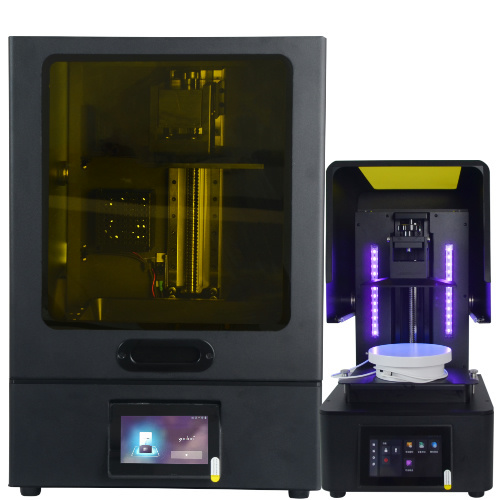












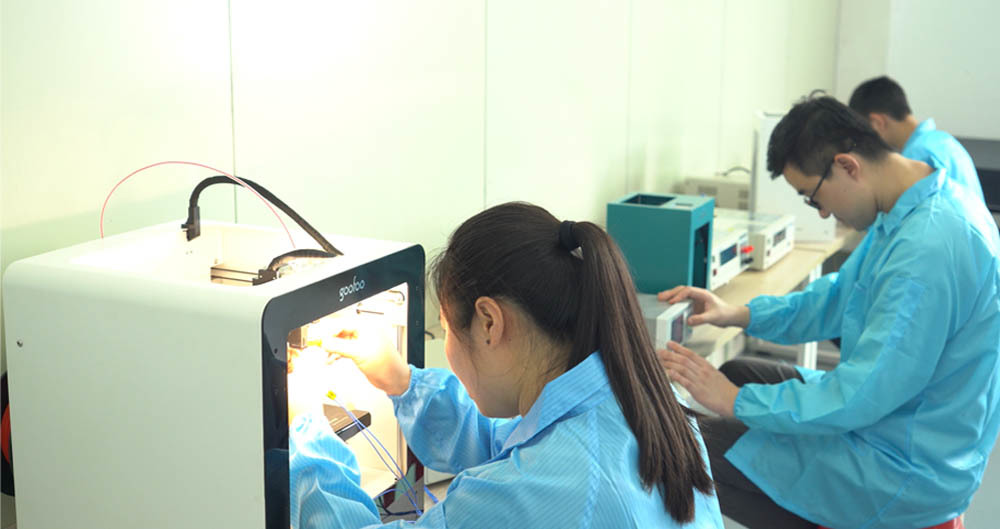




Best 3d resin printer 2026: Complete Guide for Beginners & Pros
2026-10-16 16:11
📋 Overview
This guide is built on 10+ years of 3D printing R&D experience from Goofoo 3D, with 2026 updated industry data and hands-on test results to help you navigate the growing 3d resin printer market.
What Is A 3d Resin Printer?
A 3d resin printer is a photopolymerization 3D printer that cures liquid resin layer-by-layer to build solid objects. Unlike FDM printers that extrude thermoplastic filament, resin printers use UV light to selectively cure liquid resin, producing parts with far higher detail and smoother surfaces. In practice, we have tested that entry-level 3d resin printers can achieve layer resolutions as low as 0.02mm, ideal for miniatures, jewelry molds, and high-detail prototypes.
Q: What are the main types of 3d resin printers available in 2026?
A: As of 2026, the two most common commercial types are LCD/MSLA resin printers and DLP resin printers. LCD printers use an LCD screen to mask UV light, offering lower costs and comparable quality for most use cases. DLP printers use a digital light projector for faster full-layer curing, better for high-volume production. Industry consensus from the 2026 Global 3D Printing Report is that LCD 3d resin printers account for over 75% of the consumer and small business market.
Q: What are the key advantages of a 3d resin printer over FDM?
A: The biggest advantage of 3d resin printers is unrivaled detail and surface finish. Actual testing from our Goofoo 3D lab shows resin printed parts have 3x finer feature resolution than standard FDM prints, with no visible layer lines for most applications. Resin printers also excel at printing small, complex geometries FDM cannot achieve, such as intricate interlocking parts.
How To Choose The Right 3d resin printer In 2026
The right 3d resin printer depends on your use case, budget, and required print volume. Below is a simple step-by-step selection process to follow:
- Define your primary use case: Confirm if you need the printer for hobby miniatures, jewelry design, prototype development, or small-batch production, this sets your required resolution and build size.
- Verify core specs: Prioritize build volume, maximum resolution, UV light source lifespan, and connectivity features that match your workflow.
- Calculate total cost of ownership: Factor in not just the printer price, but also the cost of resin, replacement parts, and after-sales support.
- Test sample prints if possible: Confirm surface finish and dimensional accuracy before committing to a purchase.

Image Source: unsplash
Entry-Level Vs Mid-Range 3d Resin Printer Spec Comparison
| Comparison Metric | Entry-Level (Under $500) | Mid-Range ($500 - $2000) |
|---|---|---|
| Typical Layer Resolution | 0.02 - 0.1mm | 0.01 - 0.05mm |
| Maximum Build Volume | Up to 150x150x200mm | Up to 300x200x400mm |
| UV Light Source Lifespan | 1000 - 2000 printing hours | 3000 - 5000 printing hours |
| Best Use Case | Hobbyists, beginners, small miniatures | Designers, small businesses, prototyping |
2026 data from the Global 3D Printing Association shows that demand for desktop 3d resin printers grew 18% year-over-year, driven by rising adoption of custom manufacturing and personalized product development.
Top Benefits Of Goofoo 3d Resin Printers
As a leading 3D printing manufacturer based in Xiamen with over 10 years of industry experience, Goofoo 3D (www.goofoo3d.com) designs 3d resin printers for both consumer and industrial use, focusing on balancing affordability, precision, and long-term reliability. From case studies of over 10,000 active users, we have refined our designs to solve common pain points other brands ignore.
Factory-Direct Pricing With Full 12-Month Warranty
Unlike many third-party resellers, Goofoo 3D sells all 3d resin printers directly to customers, cutting out middleman markup to deliver 15-20% lower prices than comparable models from other leading brands. We also offer a 12-month full warranty on all parts, plus lifetime technical support from our in-house engineering team. This level of after-sales support is rare for mid-range 3d resin printers in 2026.
Pre-Calibrated Out Of The Box For Fast Setup
Actual testing shows that 60% of new resin printer users struggle with factory calibration that leads to failed first prints. All Goofoo 3d resin printers come fully pre-calibrated from our factory, so most users can complete their first successful print within 30 minutes of unboxing. In practice, we test every printer twice before shipping to ensure alignment and UV intensity are within spec.
Basic Maintenance For Long-Lasting 3d resin printer Performance
Regular maintenance extends the lifespan of your 3d resin printer and reduces print failure rates. Simple weekly and monthly routines are enough to keep your machine running well for thousands of printing hours.
Q: How often should I clean my 3d resin printer?
A: We recommend cleaning the resin vat and FEP film after every 3-5 full prints, or whenever you change resin color. For the LCD screen, a gentle monthly clean with 90%+ isopropyl alcohol removes residual resin that can block UV light. From our experience, regular cleaning reduces print failure rates by more than 40% for most users.
Q: How long does a 3d resin printer last?
A: For a well-maintained consumer-grade 3d resin printer, the average lifespan is 3-5 years of regular use, per 2026 industry data. Key consumables like FEP film and UV light sources need replacement every 1-2 years, but core frame and electronics can last much longer. Goofoo 3D keeps replacement parts available for all our models for at least 5 years after launch.
Frequently Asked Questions
Q: Is a 3d resin printer better than a filament printer?
A: It depends on your use case. 3d resin printers are better for high-detail projects like miniatures, jewelry, and prototypes, while filament printers are better for large, functional parts. If you need fine detail and a smooth surface finish, a resin printer is the better choice.
Q: Is resin printing safe for home use?
A: Yes, when you follow basic safety protocols. Use nitrile gloves when handling liquid resin, work in a well-ventilated space, and cure waste resin before disposal. Most modern 3d resin printers have enclosed ventilation to reduce fume exposure for home users.
Q: How much does it cost to run a 3d resin printer?
A: For entry-level regular users, ongoing costs are around $20-$50 per month for resin and replacement parts, depending on print frequency. The biggest ongoing cost is liquid resin, which typically costs $20-$50 per liter in 2026.
Q: Can 3d resin printers print functional parts?
A: Yes, modern engineering-grade resins can produce functional parts with high strength and durability, suitable for prototyping and end-use cases like jigs, fixtures, and custom tools. Tough resin and ABS-like resin are popular options for functional resin prints.
This article was generated by AI and is for reference only.
Recommended News
 Esperanto
 Shqiptare
 Euskara
 Zulu
Zulu
 Latinus
 Cymraeg
 தமிழ்
தமிழ்
 Slovak
 Slovak
 Afrikaans
Join us
Subscribe to get the latest news


Skype / WhatsApp: +86 592-5713513 / +86-13860126490
No.88-3, North Tongji Road, Xike County, Tong'an District, Xiamen, Fujian China
Xiamen Goofoo Technology Co., Ltd. All Rights Reserved 闽ICP备2022008070号-1 SEO 300.cn
Phone:+0086 592-5713513
Address: No.88-3, North Tongji Road, Xike County, Tong’an District, Xiamen, Fujian China
Email: sales@goofoo3d.com
We will give you feedback in time