
- Shop Shop
-
Desktop
Desktop
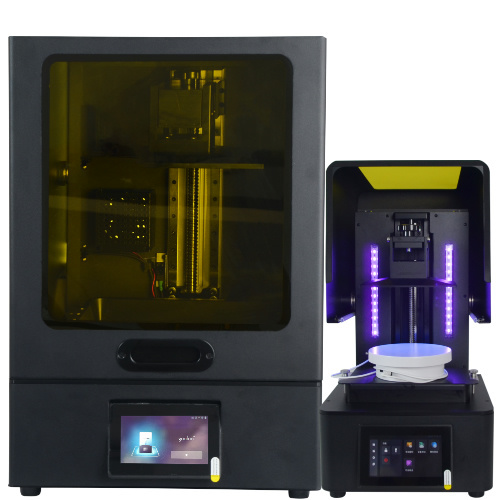
MSLA series
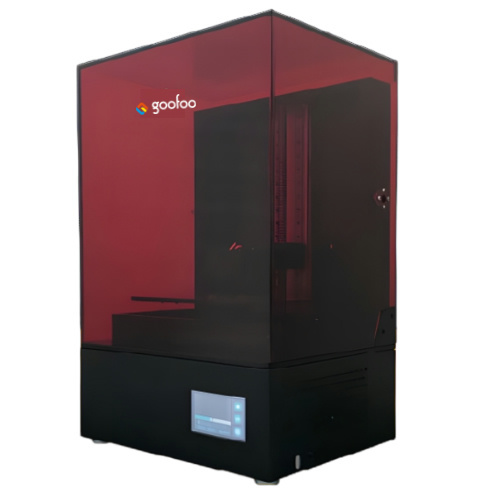
High accuracy Lens-s pro
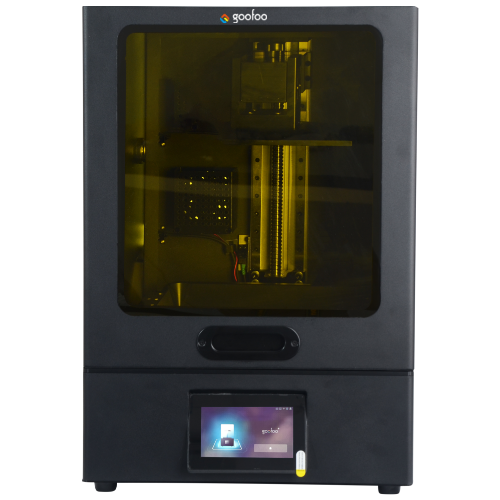
Large build volume Lens-m pro
- Industrial Industrial
-
Material
Material

Resin series

Dental DM100/TC100/ etc.

Jewelry Jewelry Resin

Generic PW100

Industry High Temp Resin

Garage Kit Red wax
-
Expanded
Expanded
Laser Engraver/CNC
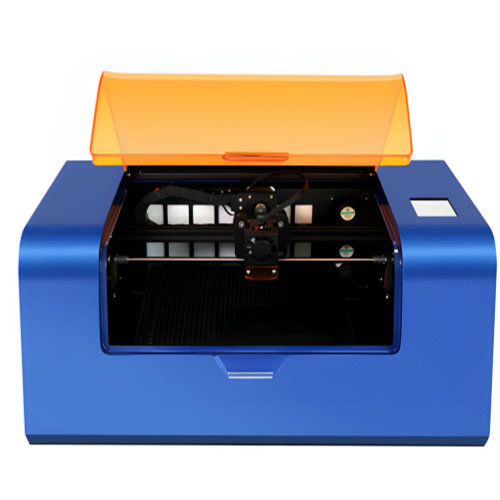
TS3(class1) Laser engraver & cutter 200*300mm
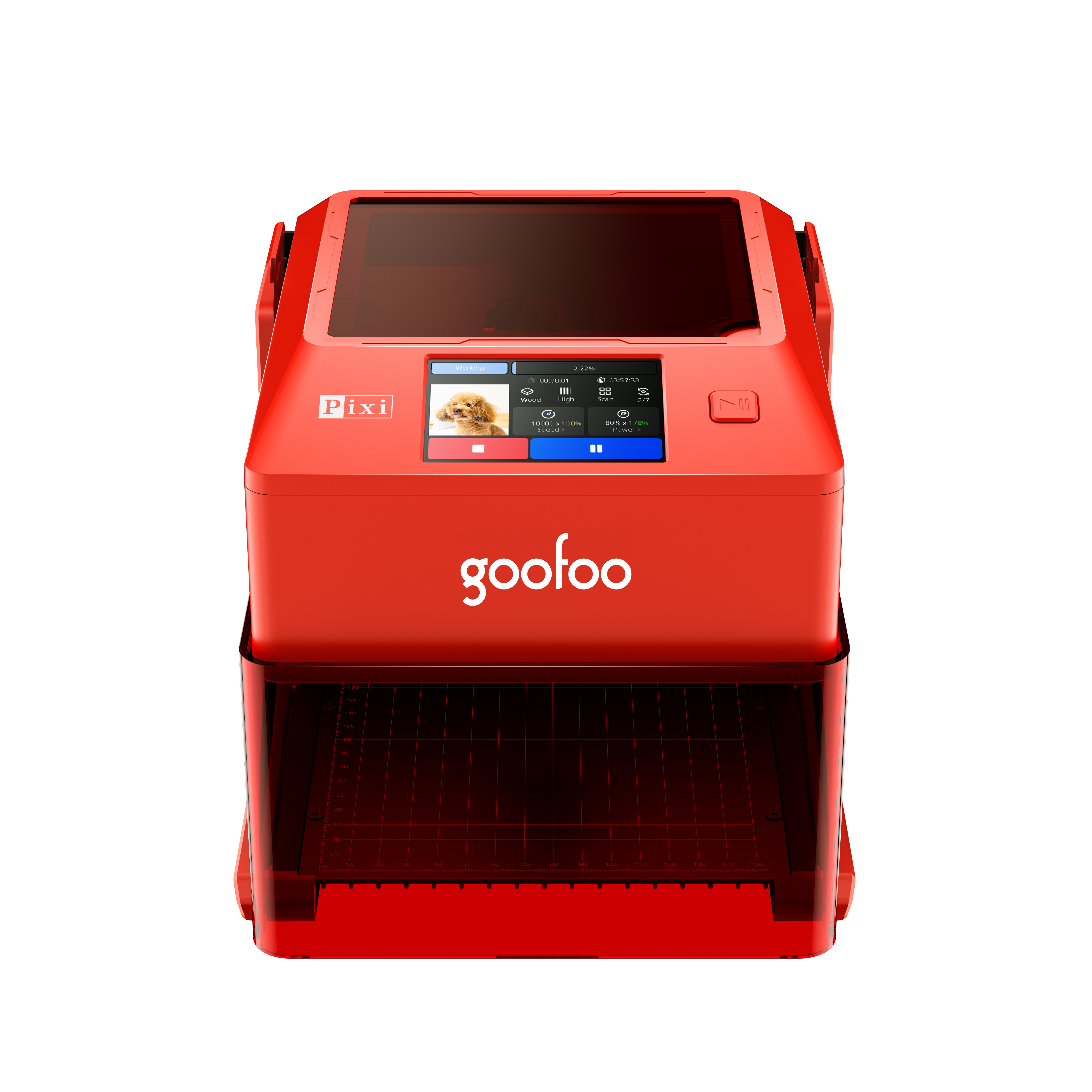
Pixi(class1) Laser engraver & cutter 100*100mm
3D scanner
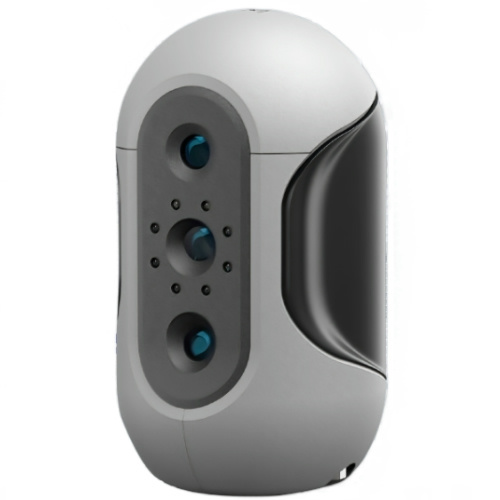
Mole Highest accuracy 0.05mm
- Industries & Applications Industries & Applications
- Support Support
- About Us About Us
- Contact Us Contact Us


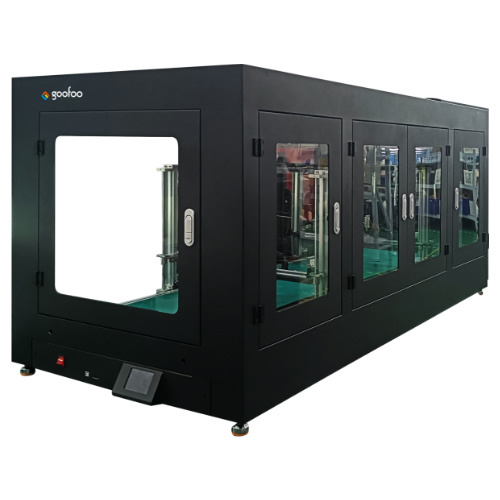
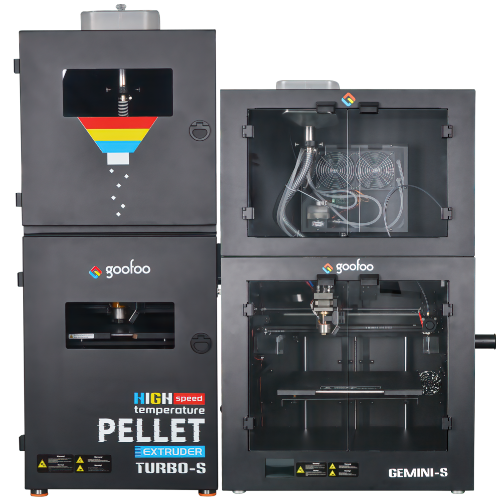
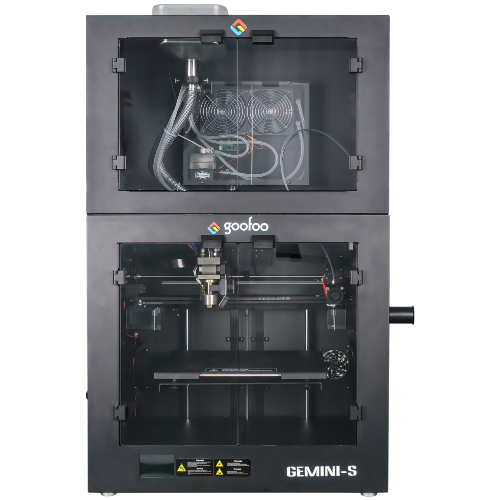
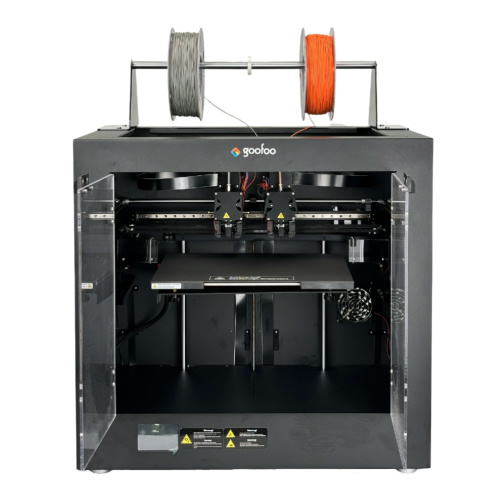













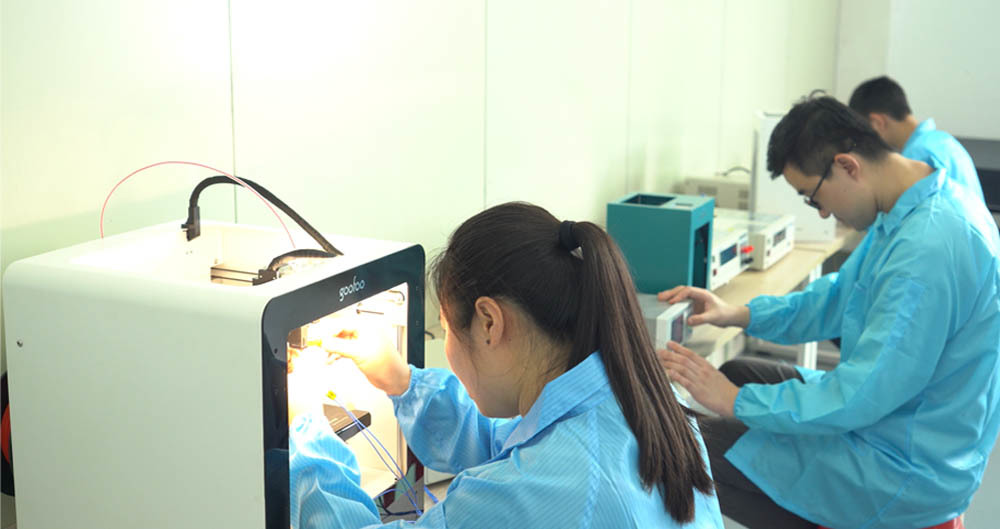




Revolutionizing Design Prototyping with Advanced 3D Printing: A Comprehensive Guide
2025-02-21 16:40
Revolutionizing Design Prototyping with Advanced 3D Printing
Table of Contents
- Introduction to Advanced 3D Printing
- What is 3D Printing?
- The Role of 3D Printing in Design Prototyping
- Advantages of 3D Printing for Design Prototyping
- Challenges of Adopting 3D Printing in Design
- Best Practices for Effective 3D Printing in Prototyping
- Case Studies in Design Prototyping
- The Future of 3D Printing in Design Prototyping
- FAQs
- Conclusion
Introduction to Advanced 3D Printing
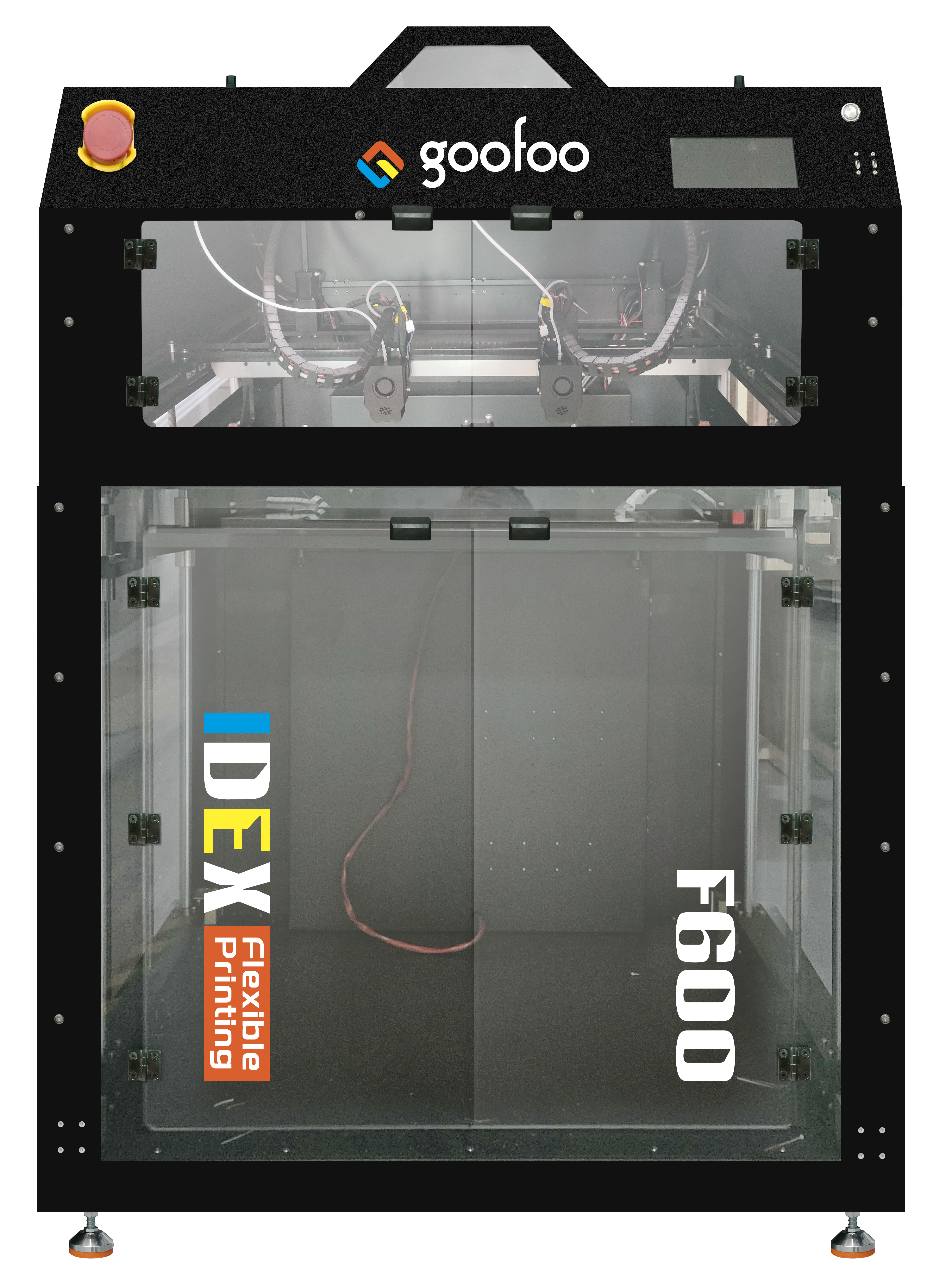
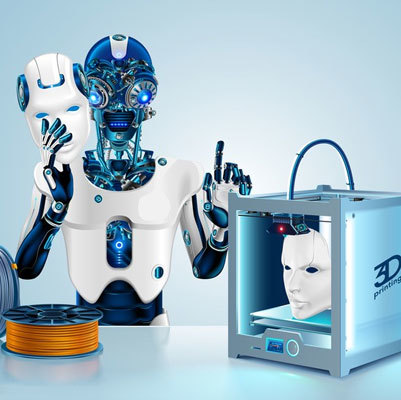
In today's fast-paced technological landscape, **advanced 3D printing** has emerged as a pivotal tool in design prototyping. It allows designers and engineers to create detailed models quickly and efficiently, paving the way for innovative product development. This article examines how 3D printing is revolutionizing the prototyping process, enabling greater creativity while minimizing costs and time.
What is 3D Printing?
3D printing, also known as **additive manufacturing**, refers to a process of creating three-dimensional objects from a digital file. The printer lays down successive layers of material — such as plastic, metal, or resin — until the object is fully formed. This technology stands in contrast to traditional subtractive manufacturing methods, which typically involve cutting away material from a larger block.
The Evolution of 3D Printing Technology
The journey of 3D printing began in the 1980s with the invention of stereolithography. Since then, advancements in materials, software, and printing techniques have expanded the capabilities and applications of 3D printing. Today, it encompasses various methodologies, including Fused Deposition Modeling (FDM), Selective Laser Sintering (SLS), and Digital Light Processing (DLP), each with unique benefits for prototyping.
The Role of 3D Printing in Design Prototyping
In design prototyping, 3D printing serves as a bridge between conceptualization and production. Designers can quickly produce physical models of their ideas, allowing for tactile exploration and assessment. This iterative process fosters collaboration among teams, enabling real-time feedback and adjustments.
Rapid Prototyping
One of the most significant advantages of 3D printing in design prototyping is **rapid prototyping**. Designers can generate prototypes within hours instead of weeks, significantly reducing the time-to-market for new products. This speed allows companies to be more agile, experimenting with multiple designs and refining their concepts based on user feedback.
Enhanced Design Accuracy
3D printing technology facilitates intricate detailing that traditional manufacturing methods may struggle to achieve. Designers can produce high-precision prototypes that closely mirror the final product, ensuring that their designs are both functional and aesthetically pleasing.
Advantages of 3D Printing for Design Prototyping
The benefits of integrating 3D printing into design prototyping are manifold. Here are some of the most impactful advantages:
Cost Efficiency
Utilizing 3D printing can drastically reduce prototyping costs. Traditional methods may involve expensive tooling and setup, while 3D printing eliminates many of these costs, allowing for low-volume production without significant financial burden.
Material Versatility
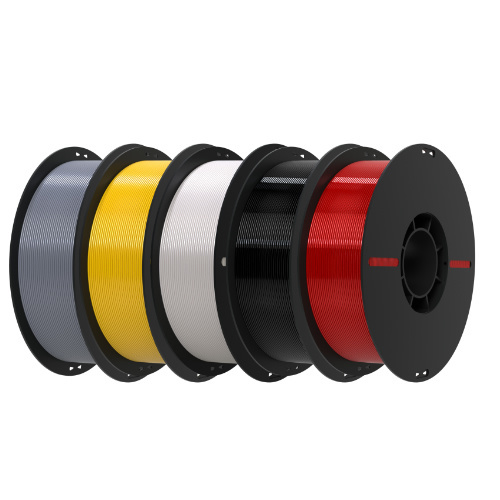
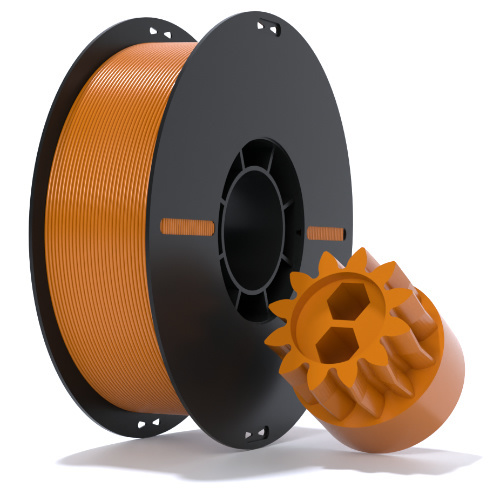
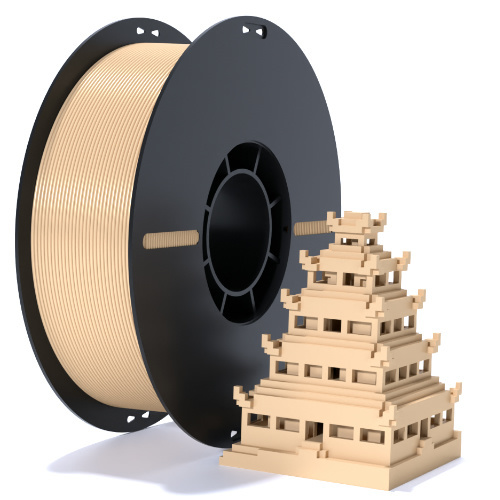
With advancements in material science, 3D printing now supports a wide range of materials, including thermoplastics, metals, and even biomaterials. This versatility enables designers to select the best materials for their prototypes, ensuring optimal performance and functionality.
Customization and Flexibility
3D printing allows for high levels of customization, catering to specific requirements or preferences. Designers can easily modify their prototypes to accommodate changes in design or functionality without the need for extensive retooling.
Environmentally Friendly Options
Many 3D printing processes generate less waste compared to traditional manufacturing. Additionally, the ability to use recyclable materials makes 3D printing a more sustainable option for design prototyping, aligning with modern eco-conscious practices.
Challenges of Adopting 3D Printing in Design
While the advantages of 3D printing in design prototyping are compelling, several challenges must also be considered:
Technical Limitations
Despite advancements, some 3D printing technologies still face limitations in terms of size, resolution, and material properties. Designers must carefully evaluate the capabilities of their printers to ensure they meet project requirements.
Initial Investment Costs
Although 3D printing can save costs in the long run, the initial investment in high-quality printers and materials can be significant. Organizations must weigh these costs against potential savings when considering adoption.
Skill and Training Requirements
Implementing 3D printing technology necessitates a certain level of technical expertise. Teams may require training to effectively utilize the technology and software, which can be a barrier to entry for some businesses.
Best Practices for Effective 3D Printing in Prototyping
To maximize the benefits of 3D printing in design prototyping, consider the following best practices:
Utilize Advanced Design Software
Invest in robust design software that allows for precise modeling and simulation. Programs that integrate seamlessly with 3D printers can streamline the workflow, enhancing efficiency.
Iterate and Experiment
Encourage a culture of experimentation. Use 3D printing to test multiple design iterations quickly, facilitating innovation and creativity.
Collaborate Across Teams
Foster collaboration among designers, engineers, and manufacturers. Open communication ensures that prototypes meet both design and functional requirements.
Stay Updated with Industry Trends
The field of 3D printing is continuously evolving. Keep abreast of new materials, technologies, and best practices to maintain a competitive edge.
Case Studies in Design Prototyping
Examining real-world applications of 3D printing in design prototyping highlights its transformative potential:
Consumer Electronics
Leading tech companies have leveraged 3D printing to create prototypes of new gadgets. This approach has accelerated the development cycle, enabling rapid iterations based on user testing and feedback.
Automotive Industry
In the automotive sector, manufacturers use 3D printing to produce lightweight components and complex geometries that enhance vehicle performance. Prototyping new designs through 3D printing allows for quicker adaptation and innovation.
Medical Devices
The medical field has seen significant advancements through 3D printing, particularly in producing customized prosthetics and implants. By prototyping these devices, medical professionals can ensure a perfect fit for patients, improving outcomes.
The Future of 3D Printing in Design Prototyping
Looking ahead, the future of 3D printing in design prototyping appears promising. Emerging technologies such as **bioprinting**, **multi-material printing**, and **AI integration** are set to enhance the capabilities of 3D printing, paving the way for even more innovative applications.
Increased Automation
Automation in 3D printing processes will streamline production, reducing human error and increasing efficiency. This trend is likely to make 3D printing more accessible for businesses of all sizes.
Integration with Artificial Intelligence
AI can optimize design processes by analyzing data and suggesting improvements. The integration of AI with 3D printing will enable more intelligent and responsive prototyping, adapting designs based on real-time feedback and performance metrics.
FAQs
1. What types of materials can be used in 3D printing for prototyping?
3D printing can utilize various materials, including thermoplastics, metals, resins, and even biodegradable materials, depending on the printer technology.
2. How does 3D printing reduce costs in design prototyping?
3D printing eliminates the need for expensive tooling and setup, allowing for rapid production of prototypes at a fraction of the cost of traditional manufacturing.
3. Is 3D printing suitable for mass production?
While 3D printing excels in prototyping and low-volume production, it may not always be the most cost-effective solution for large-scale manufacturing compared to traditional methods.
4. What industries benefit the most from 3D printing in design prototyping?
Industries such as consumer electronics, automotive, aerospace, and healthcare have significantly benefited from 3D printing by enhancing innovation and reducing development times.
5. How can businesses ensure successful implementation of 3D printing?
To ensure success, businesses should invest in quality printers and materials, provide adequate training for staff, and foster a culture of collaboration and innovation within teams.
Conclusion
In conclusion, advanced 3D printing is revolutionizing design prototyping, offering unparalleled advantages in speed, cost, and flexibility. By adopting this technology, businesses can accelerate innovation, enhance product development, and remain competitive in a rapidly evolving marketplace. As we look to the future, the integration of new technologies will only further amplify the transformative power of 3D printing in design prototyping. Embrace these advancements and position your organization at the forefront of this revolution.
3d printer
Recommended News
 Esperanto
 Shqiptare
 Euskara
 Zulu
Zulu
 Latinus
 Cymraeg
 தமிழ்
தமிழ்
 Slovak
 Slovak
 Afrikaans
Join us
Subscribe to get the latest news


Skype / WhatsApp: +86 592-5713513 / +86-13860126490
No.88-3, North Tongji Road, Xike County, Tong'an District, Xiamen, Fujian China
Xiamen Goofoo Technology Co., Ltd. All Rights Reserved 闽ICP备2022008070号-1 SEO 300.cn
Phone:+0086 592-5713513
Address: No.88-3, North Tongji Road, Xike County, Tong’an District, Xiamen, Fujian China
Email: sales@goofoo3d.com
We will give you feedback in time