
- Shop Shop
-
Desktop
Desktop
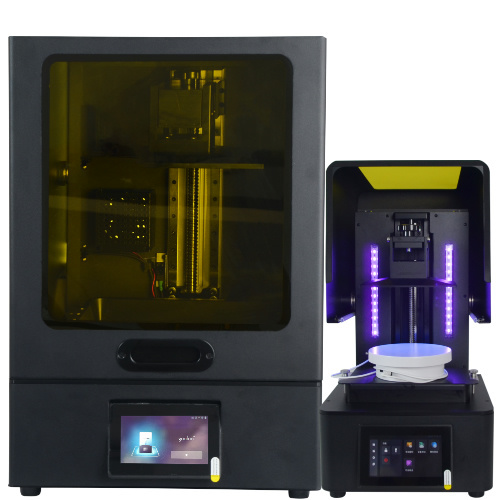
MSLA series
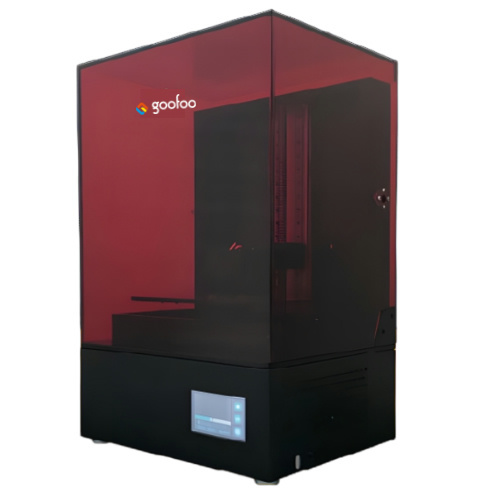
High accuracy Lens-s pro
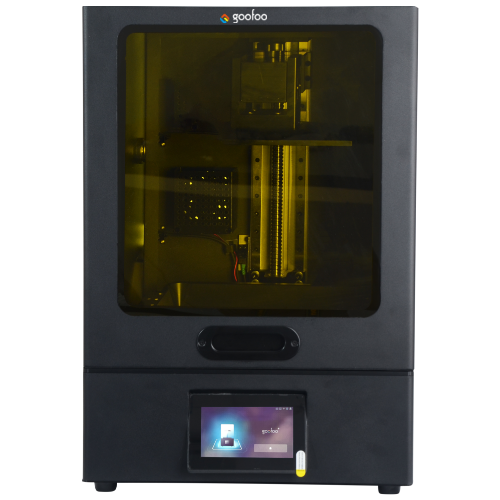
Large build volume Lens-m pro
- Industrial Industrial
-
Material
Material

Resin series

Dental DM100/TC100/ etc.

Jewelry Jewelry Resin

Generic PW100

Industry High Temp Resin

Garage Kit Red wax
-
Expanded
Expanded
Laser Engraver/CNC
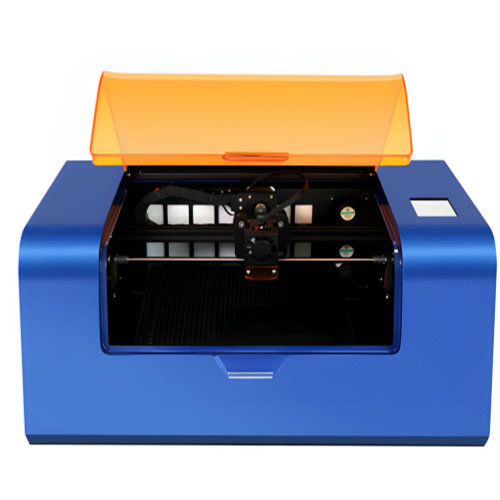
TS3(class1) Laser engraver & cutter 200*300mm
Pixi(class1) Laser engraver & cutter 100*100mm
3D scanner
Mole Highest accuracy 0.05mm
- Industries & Applications Industries & Applications
- Support Support
- About Us About Us
- Contact Us Contact Us


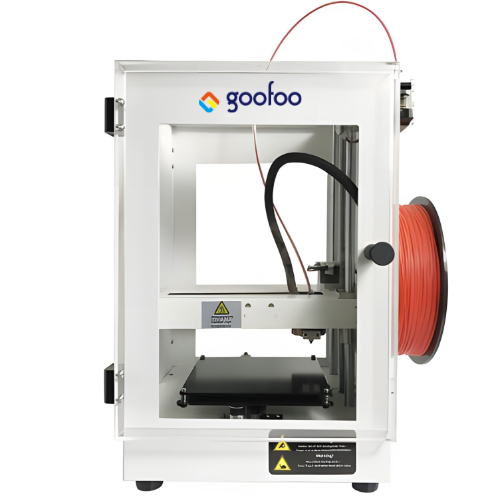
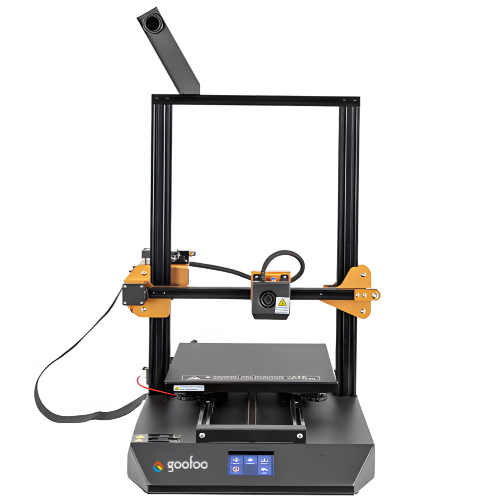
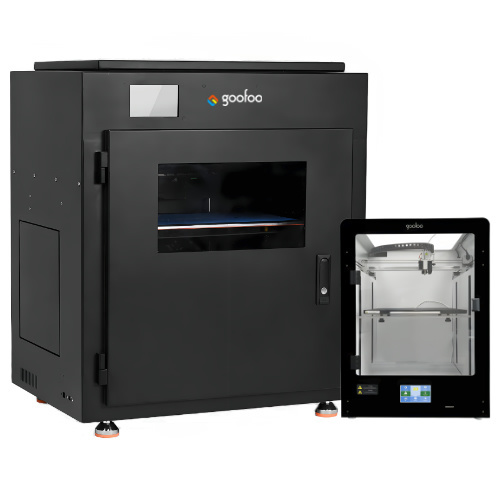
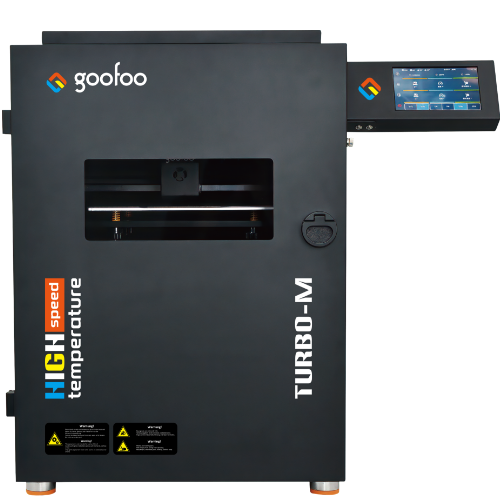
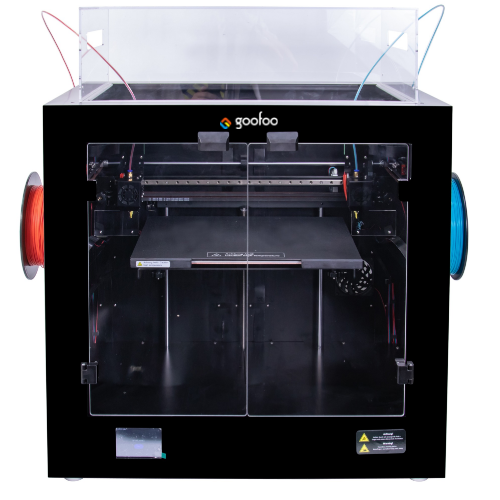
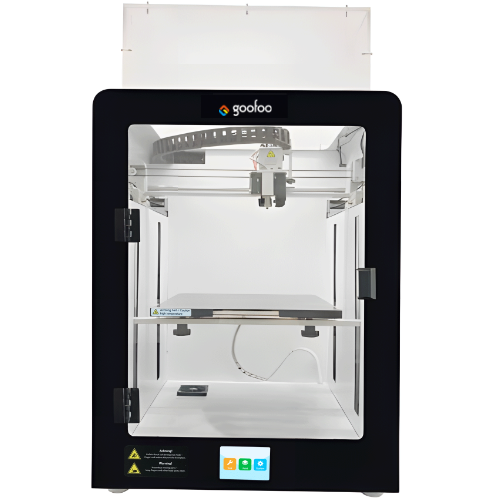
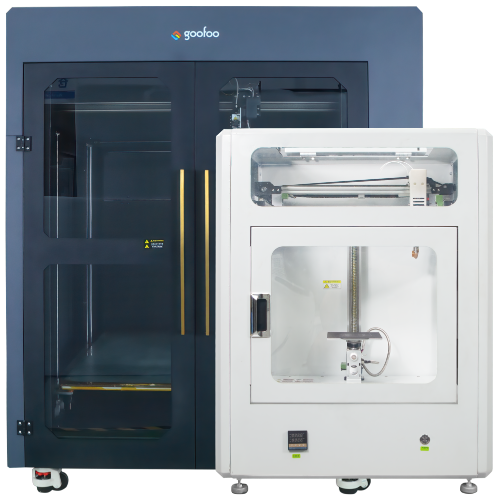
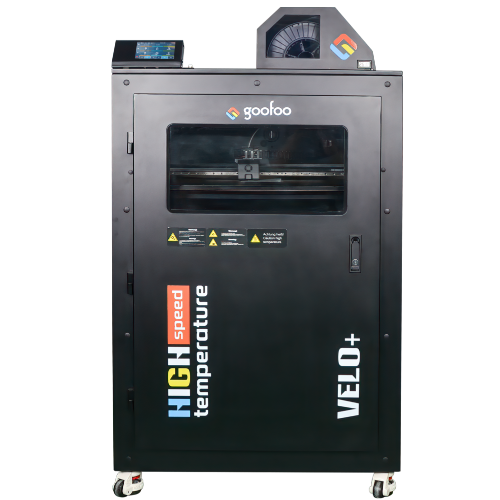
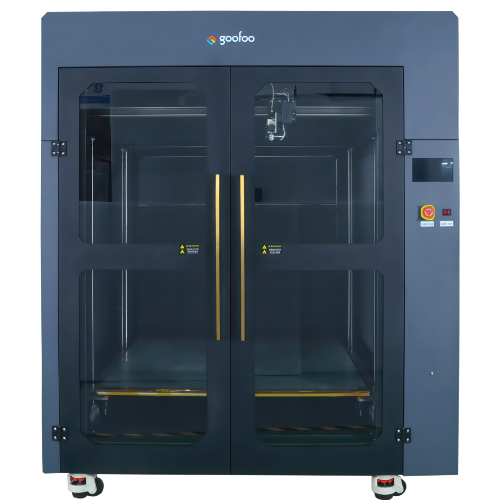
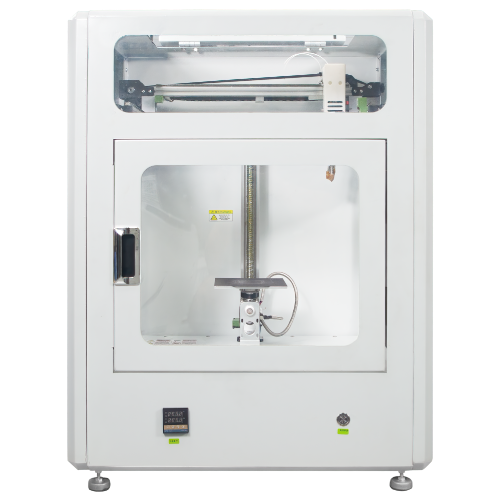
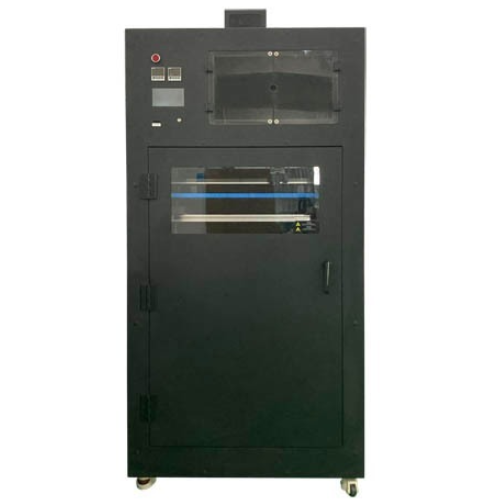
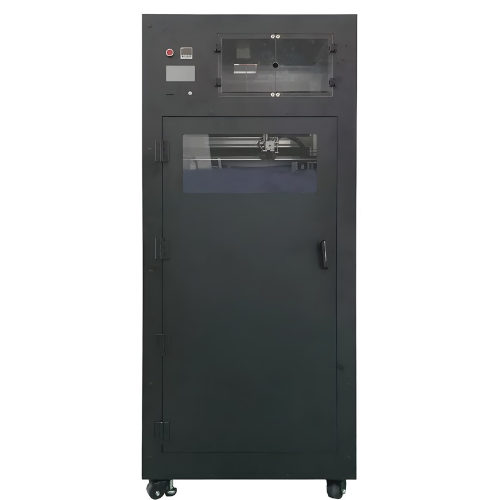
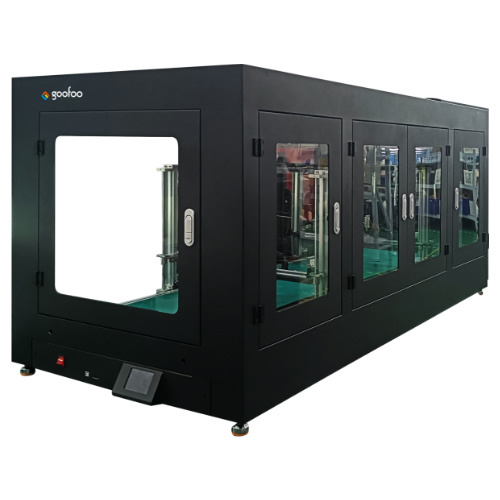
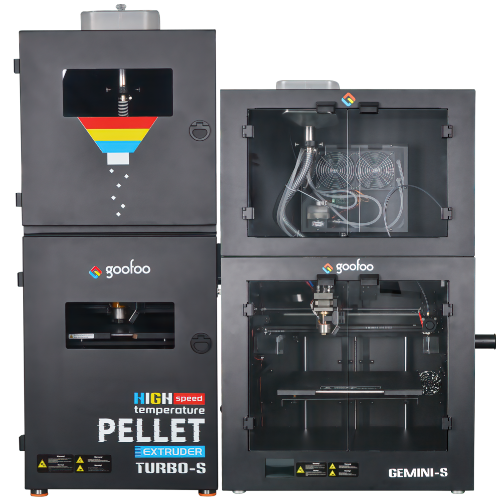
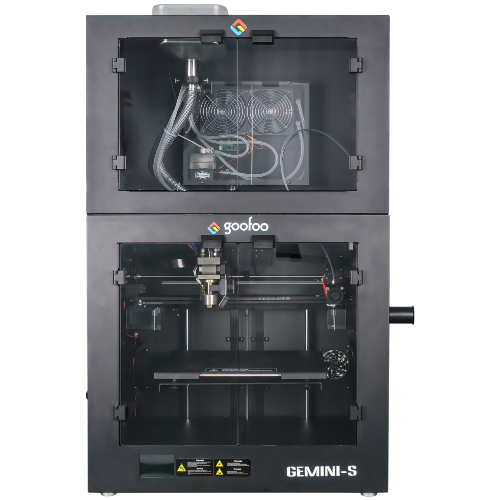
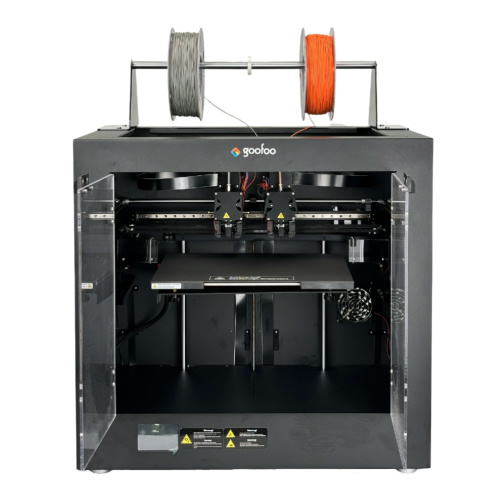

















Unleashing the Creative Potential: Exploring the Fascinating World of 3D Printer Design
2025-01-09 15:20
Unleashing the Creative Potential: Exploring the Fascinating World of 3D Printer Design
Table of Contents
1. Introduction to 3D Printing Technology
2. The Evolution of 3D Printer Design
3. Understanding the Mechanics of 3D Printing
3.1 Types of 3D Printing Technologies
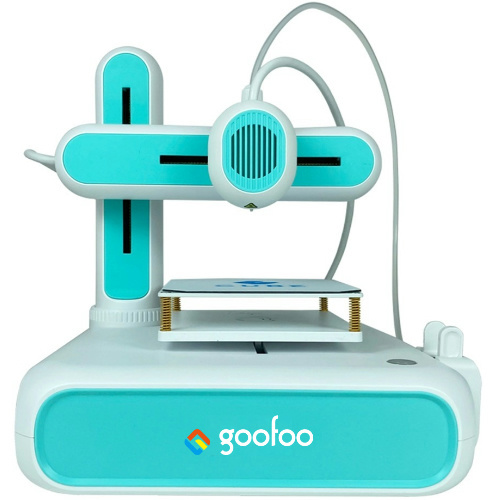
3.2 Components of a 3D Printer
4. Applications of 3D Printing Across Industries
4.1 3D Printing in Healthcare
4.2 3D Printing in Manufacturing
4.3 3D Printing in Education
5. Design Considerations for 3D Printing
5.1 Software Tools for 3D Design
5.2 The Importance of File Formats
6. The Future of 3D Printer Design
7. Conclusion
8. FAQs about 3D Printer Design
1. Introduction to 3D Printing Technology
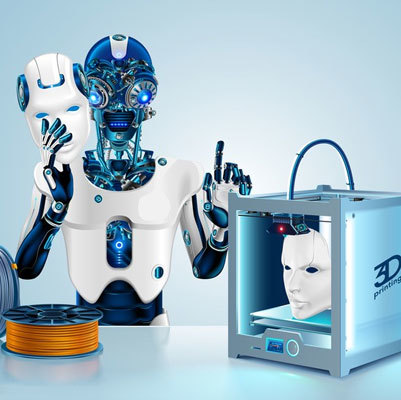
3D printing, also known as additive manufacturing, has revolutionized the way designers and engineers approach the creation of physical objects. This transformative technology allows users to create three-dimensional items by layering materials based on digital models. Compared to traditional manufacturing methods, 3D printing offers unparalleled flexibility, reduced waste, and the potential for customization. As we delve deeper into the fascinating realm of 3D printer design, we will uncover its possibilities, intricacies, and the creative potential it holds.
2. The Evolution of 3D Printer Design
The journey of 3D printing began in the 1980s with the invention of stereolithography by Chuck Hull. Since then, the technology has evolved dramatically, from early, cumbersome machines to today’s sophisticated models capable of printing intricate designs. Understanding this evolution is essential, as it highlights how 3D printers have adapted to meet the needs of various industries. As we examine the progress of 3D printing, it becomes clear that each advancement has unlocked new creative possibilities for designers and makers alike.
3. Understanding the Mechanics of 3D Printing
To appreciate the creative potential of 3D printer design, one must first understand how these machines operate.
3.1 Types of 3D Printing Technologies
There are several types of 3D printing technologies, each offering unique advantages and capabilities. The most common methods include:
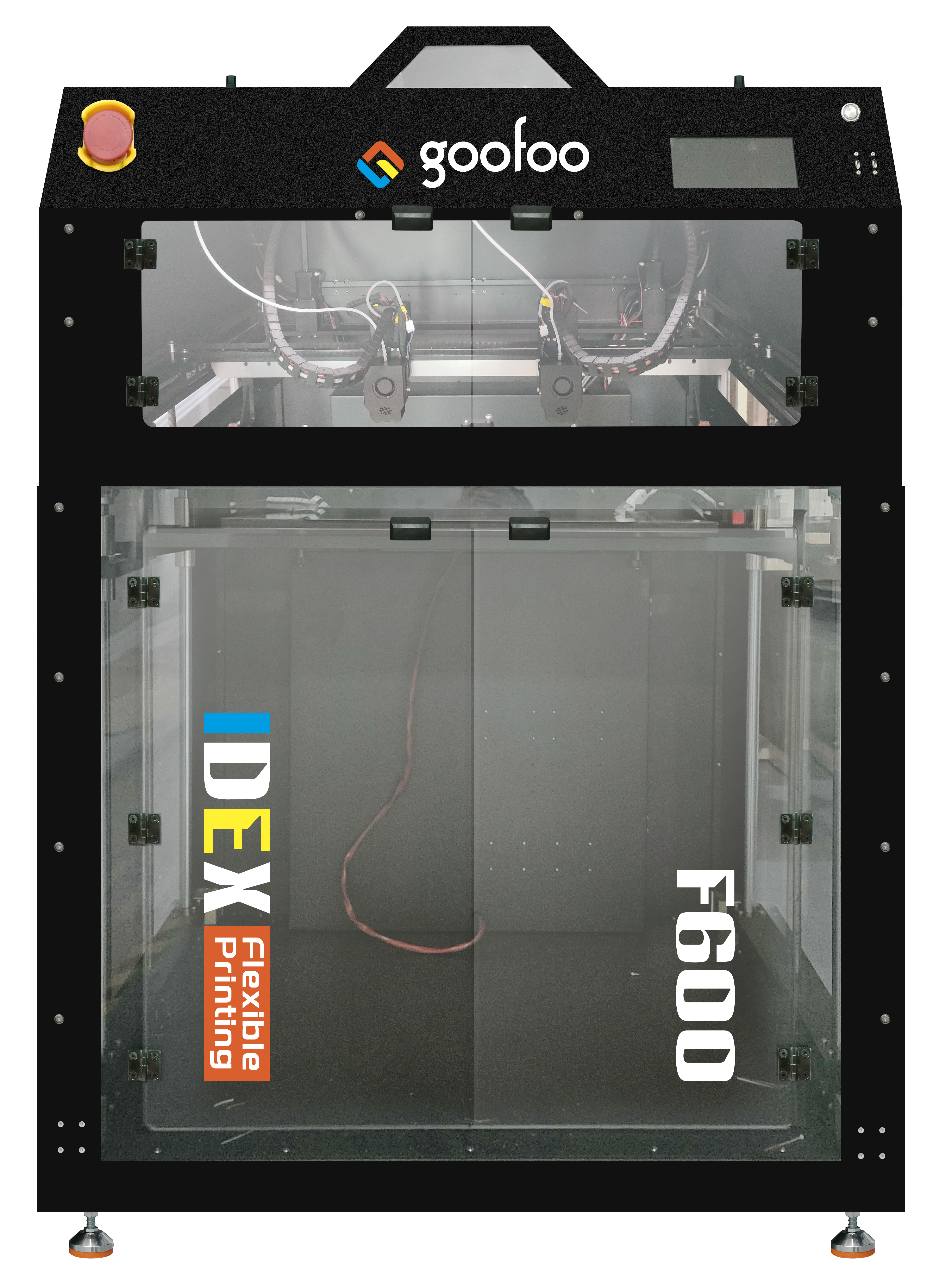
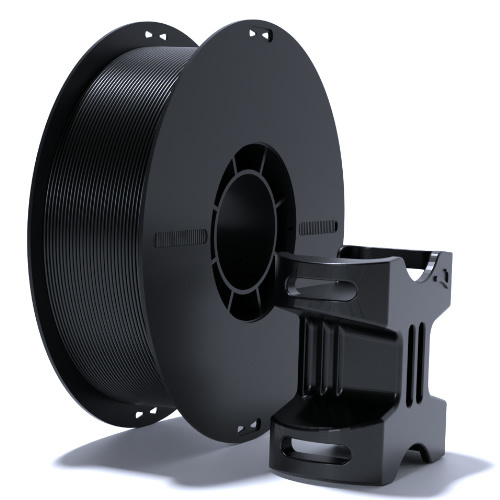
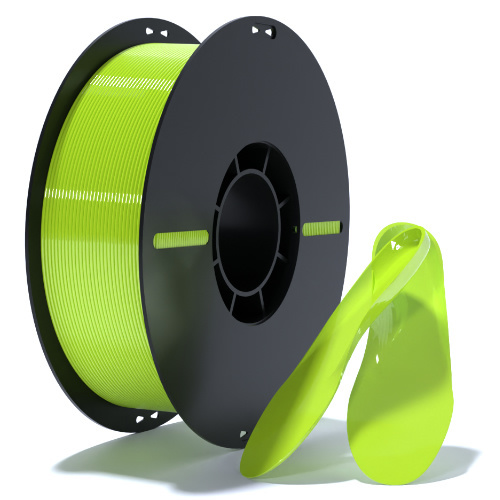
- **Fused Deposition Modeling (FDM)**: This technique involves extruding thermoplastic filaments through a heated nozzle, building up layers to create a solid object. FDM is popular for its affordability and ease of use, making it accessible to hobbyists and professionals alike.
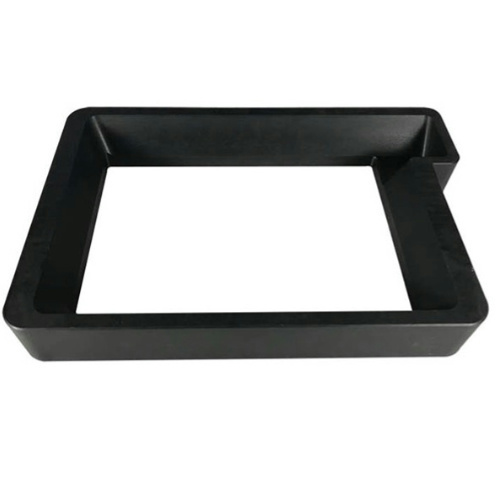
- **Stereolithography (SLA)**: Utilizing ultraviolet light to cure liquid resin, SLA printers produce highly detailed objects with smooth finishes. This method is ideal for applications requiring precision, such as jewelry design and dental applications.
- **Selective Laser Sintering (SLS)**: SLS employs a laser to fuse powdered materials, enabling the creation of complex geometries. This technology is favored in the aerospace and automotive industries for producing functional prototypes and end-use parts.
3.2 Components of a 3D Printer
Understanding the components of a 3D printer is crucial for comprehending its design. Key parts include:
- **Print bed**: The surface on which the object is built.
- **Extruder**: The mechanism that feeds filament into the hot end for FDM printers.
- **Laser or UV light source**: The components that cure materials in SLA printers.
- **Control board**: The brain of the printer, managing the movements and operations.
4. Applications of 3D Printing Across Industries
3D printing has permeated numerous sectors, showcasing its versatility and transformative power.
4.1 3D Printing in Healthcare
In the healthcare industry, 3D printing has facilitated the creation of custom prosthetics, orthodontic devices, and even bioprinting of tissues. The ability to produce tailored solutions tailored to individual patients enhances treatment outcomes and reduces costs.
4.2 3D Printing in Manufacturing
Manufacturers leverage 3D printing for rapid prototyping, allowing them to test designs quickly and efficiently. This technology reduces material waste and shortens production cycles, making it an invaluable asset in modern manufacturing processes.
4.3 3D Printing in Education
Educational institutions are increasingly incorporating 3D printing into their curricula to foster creativity and innovation. Students can transform their ideas into tangible objects, enhancing their learning experience and preparing them for future careers in design and engineering.
5. Design Considerations for 3D Printing
When embarking on a 3D printing project, several design considerations must be taken into account.
5.1 Software Tools for 3D Design
Numerous software tools are available for designing 3D models, catering to different skill levels and requirements. Popular options include:
- **TinkerCAD**: A beginner-friendly platform that offers an intuitive interface.
- **Fusion 360**: A comprehensive CAD tool favored by professionals for its advanced features.
- **Blender**: An open-source software for 3D modeling, often used in animation and game design.
5.2 The Importance of File Formats
Understanding file formats is crucial for successful 3D printing. The most common formats are STL and OBJ. STL files are widely used due to their compatibility with most 3D printers, while OBJ files can store more complex color and texture information. Choosing the right format ensures the successful transfer of design from software to printer.
6. The Future of 3D Printer Design
The future of 3D printing holds exciting possibilities. Innovations such as multi-material printing and advancements in bioprinting are poised to revolutionize fields such as architecture, aerospace, and medicine. As the technology continues to evolve, it will likely lead to unprecedented opportunities for creativity and functionality in design.
7. Conclusion
3D printer design is not just about technology; it’s about unleashing creative potential across various industries. From healthcare to education, the applications of 3D printing continue to grow, offering designers and engineers the tools they need to innovate. As we look to the future, the possibilities are limitless, and the only constraint is our imagination.
8. FAQs about 3D Printer Design
**Q1: What materials can be used in 3D printing?**
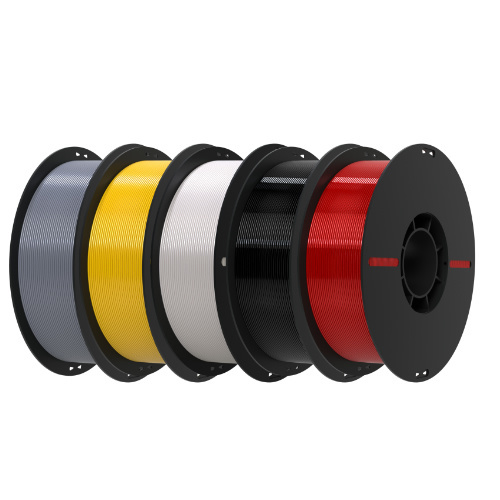
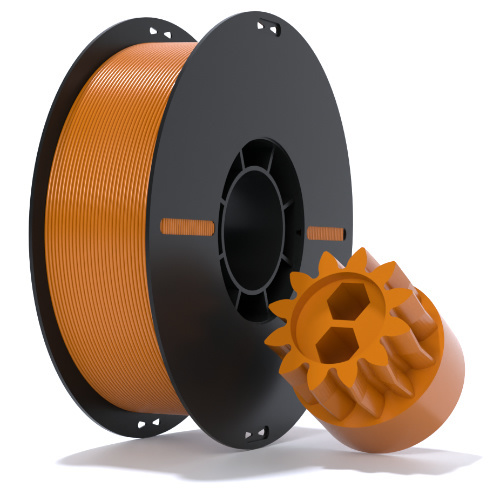
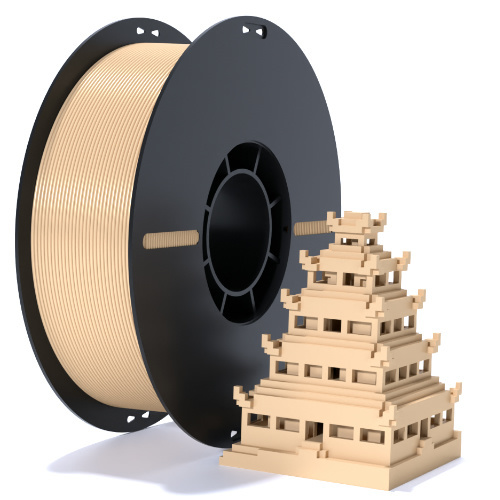
A: Common materials include thermoplastics (such as PLA and ABS), resin, metal, and even biological materials for bioprinting.
**Q2: How long does it take to 3D print an object?**
A: Print times vary based on the size and complexity of the object, ranging from a few minutes to several hours.
**Q3: Can I use a 3D printer for commercial purposes?**
A: Yes, many businesses use 3D printing for prototyping, manufacturing, and custom orders.
**Q4: Is 3D printing environmentally friendly?**
A: While 3D printing can reduce material waste, the environmental impact depends on the materials used and the recycling practices in place.
**Q5: Do I need technical skills to design for 3D printing?**
A: Basic skills in design software can help, but many user-friendly tools are available for beginners to get started.
3D printing continues to be a rapidly evolving field that encourages innovation and creativity. By understanding the mechanics, applications, and future potential of 3D printers, we can harness this technology to push the boundaries of design and manufacturing.
3d printer design
Recommended News
 Esperanto
 Shqiptare
 Euskara
 Zulu
Zulu
 Latinus
 Cymraeg
 தமிழ்
தமிழ்
 Slovak
 Slovak
 Afrikaans
Join us
Subscribe to get the latest news


Skype / WhatsApp: +86 592-5713513 / +86-13860126490
No.88-3, North Tongji Road, Xike County, Tong'an District, Xiamen, Fujian China
Xiamen Goofoo Technology Co., Ltd. All Rights Reserved 闽ICP备2022008070号-1 SEO 300.cn
Phone:+0086 592-5713513
Address: No.88-3, North Tongji Road, Xike County, Tong’an District, Xiamen, Fujian China
Email: sales@goofoo3d.com
We will give you feedback in time