- Shop Shop
-
Desktop
Desktop
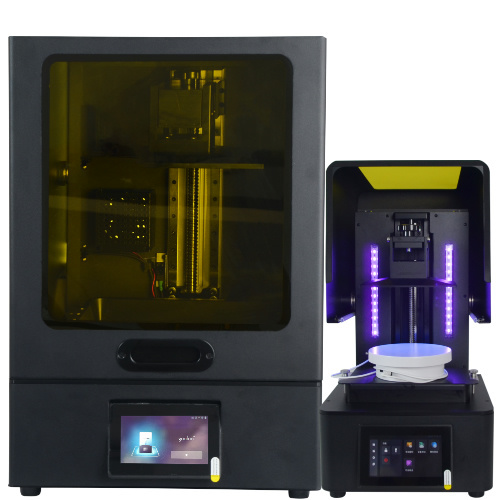
MSLA series
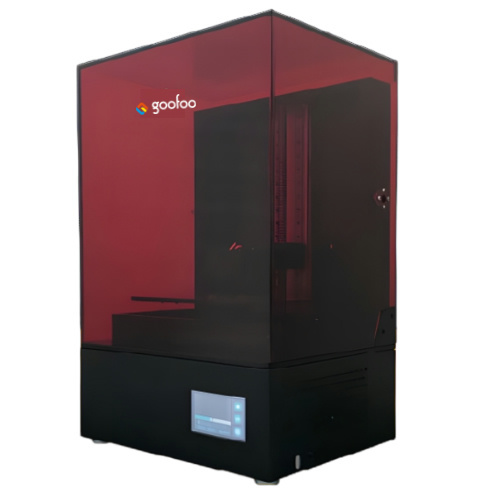
High accuracy Lens-s pro
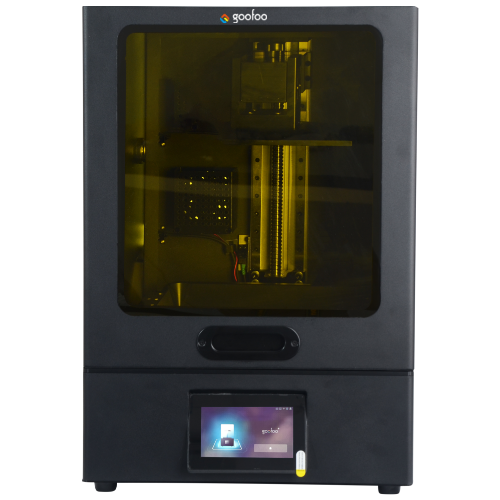
Large build volume Lens-m pro
- Industrial Industrial
-
Material
Material

Resin series

Dental DM100/TC100/ etc.

Jewelry Jewelry Resin

Generic PW100

Industry High Temp Resin

Garage Kit Red wax
-
Expanded
Expanded
Laser Engraver/CNC
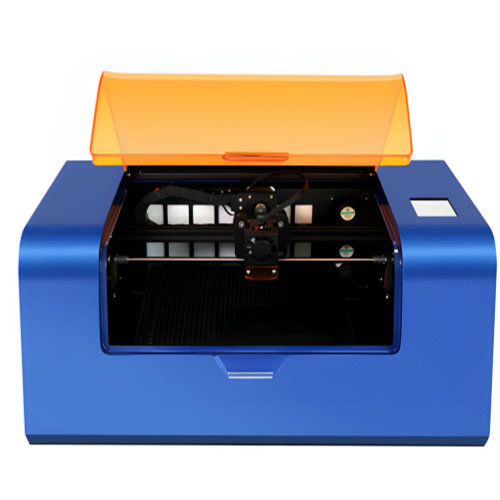
TS3(class1) Laser engraver & cutter 200*300mm
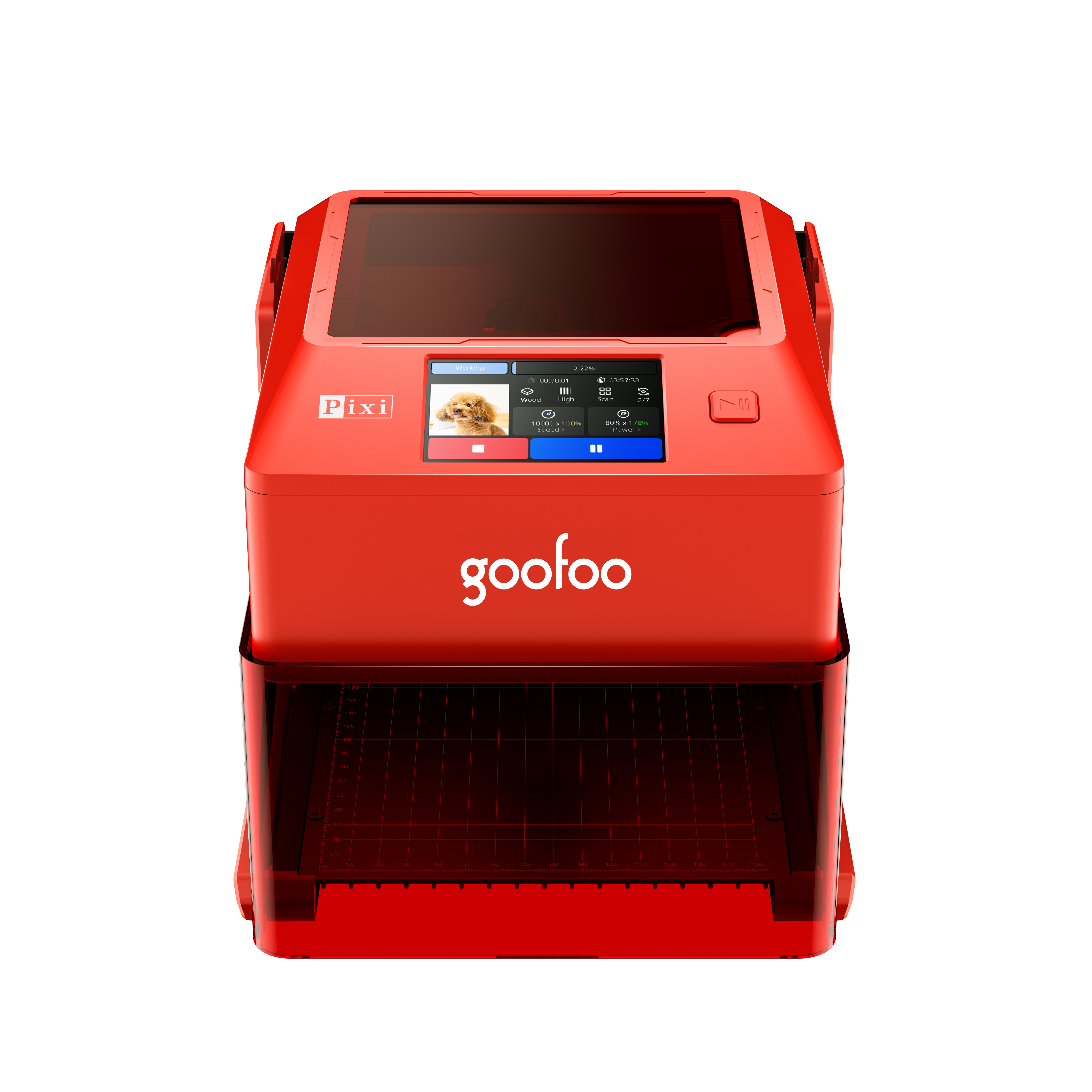
Pixi(class1) Laser engraver & cutter 100*100mm
3D scanner
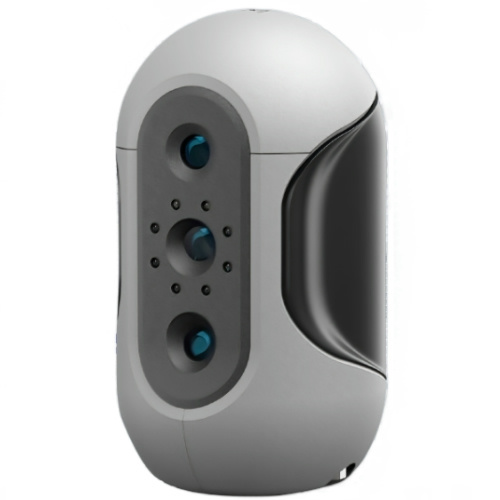
Mole Highest accuracy 0.05mm
- Industries & Applications Industries & Applications
- Support Support
- About Us About Us
- Contact Us Contact Us


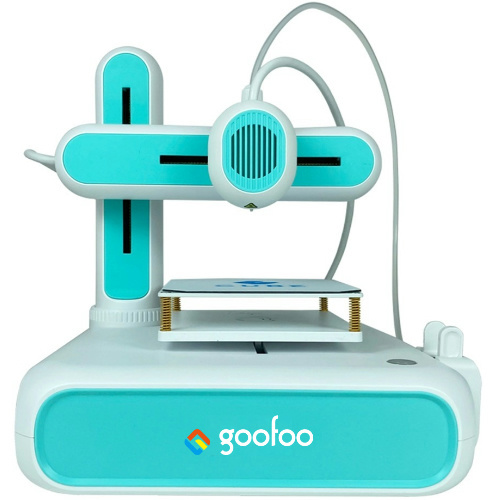
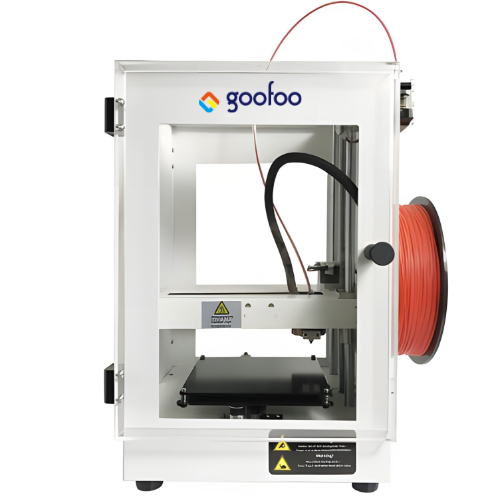
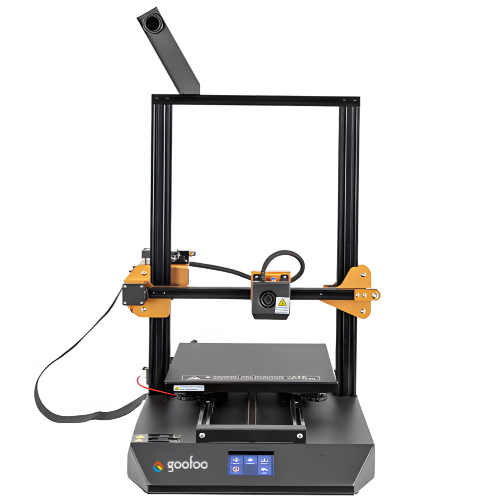
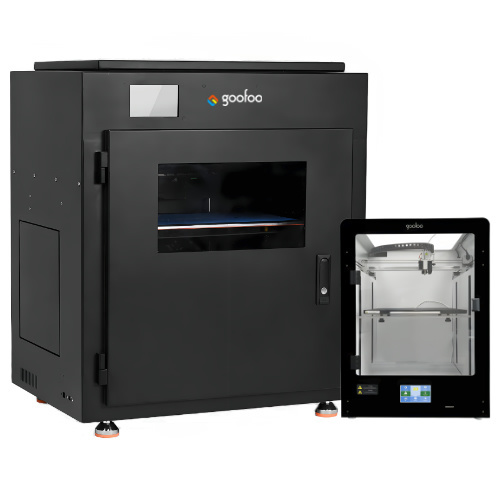
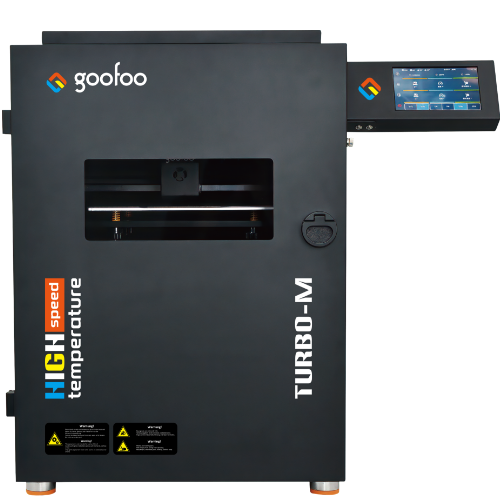
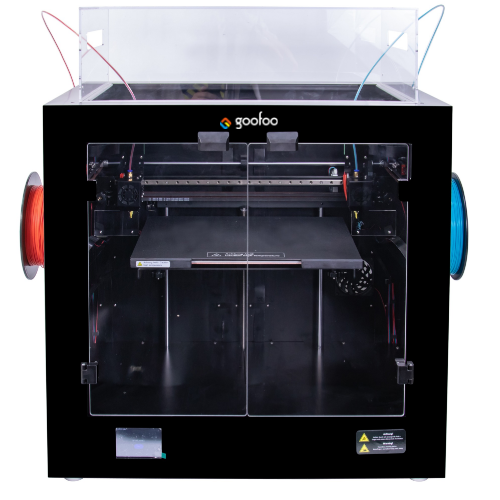
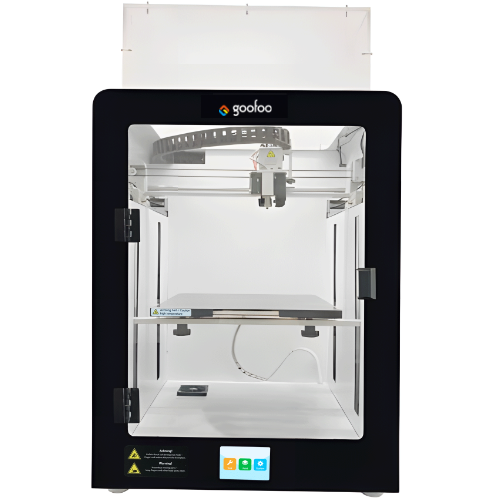
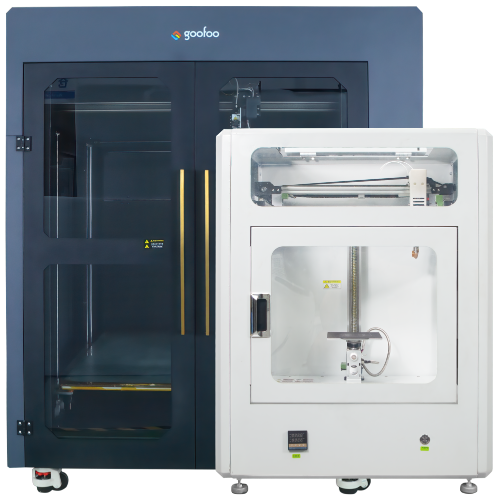
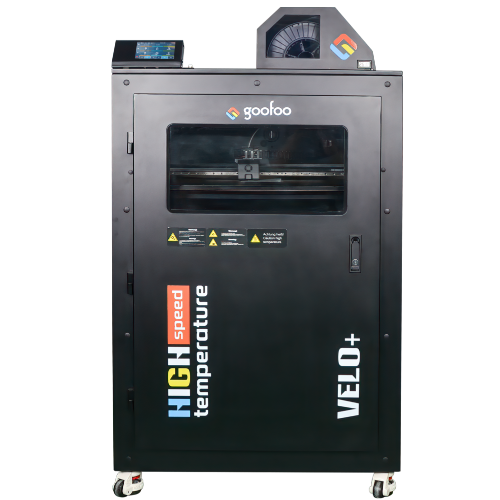
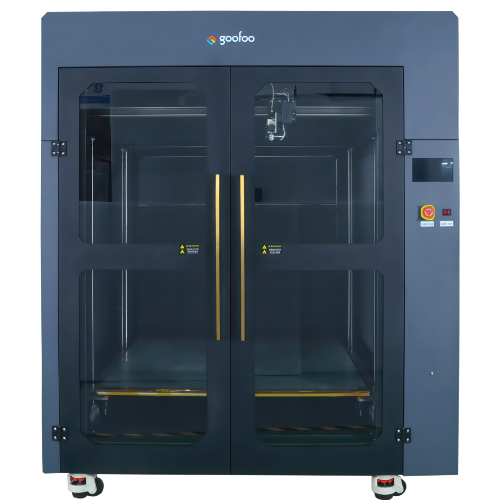
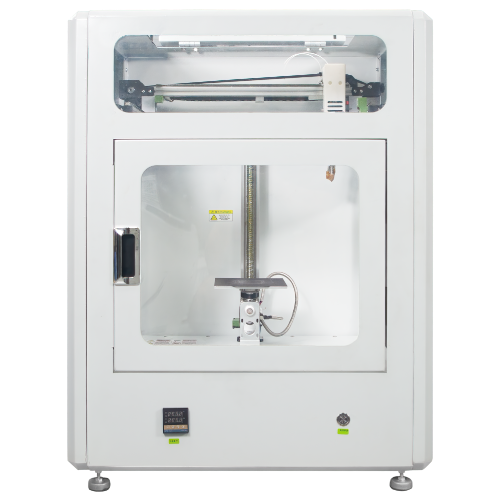
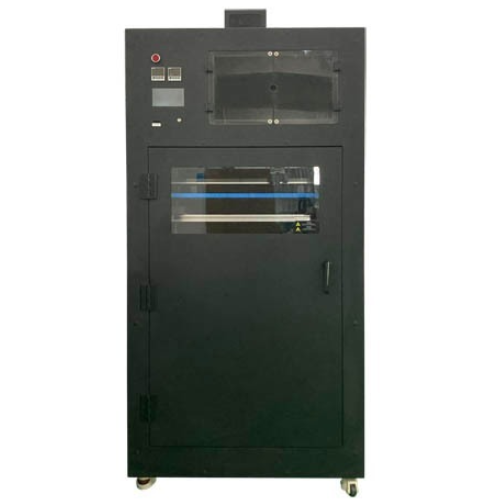
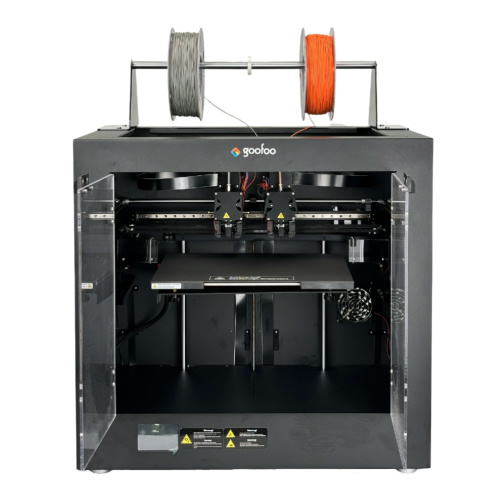
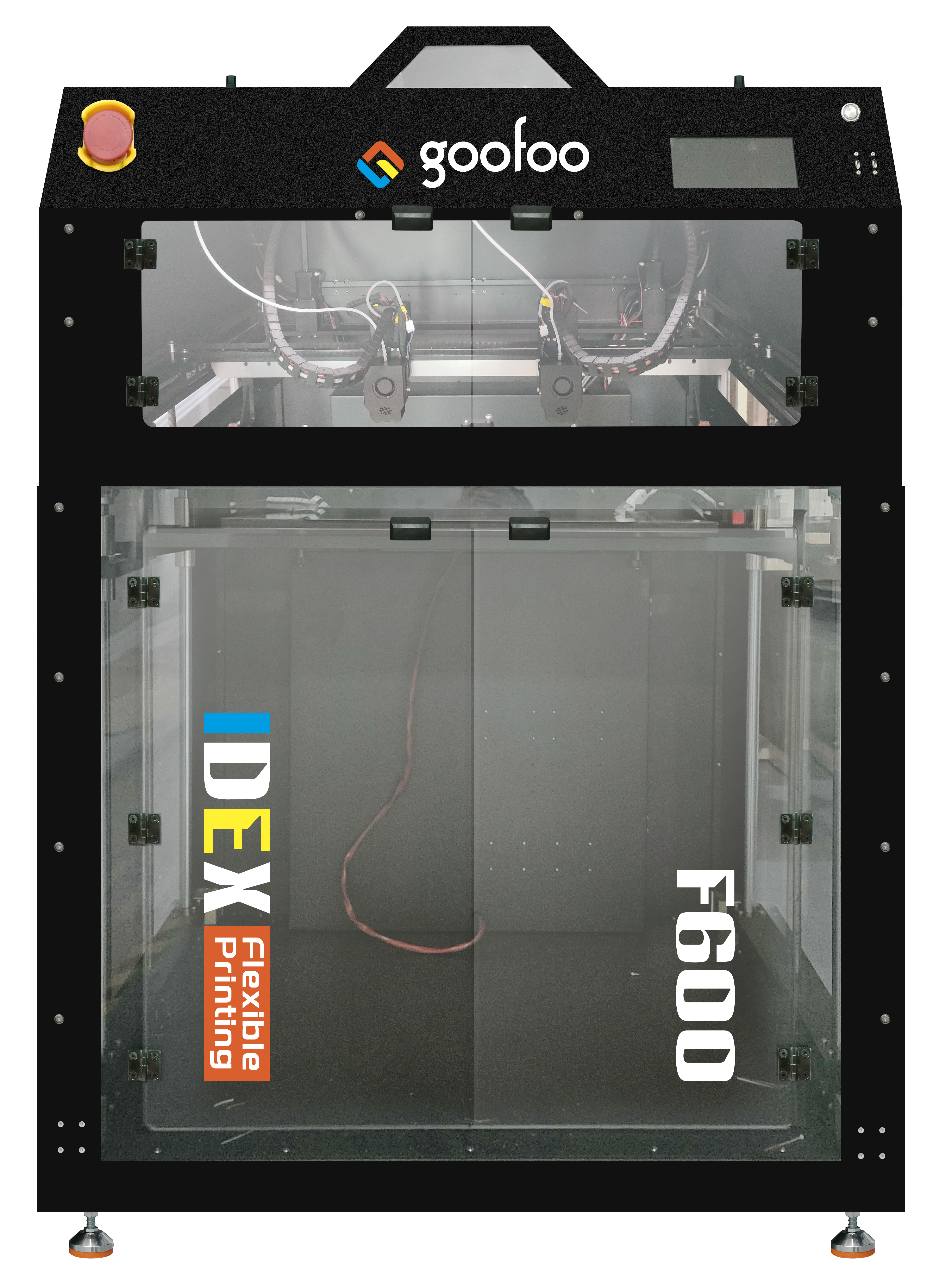


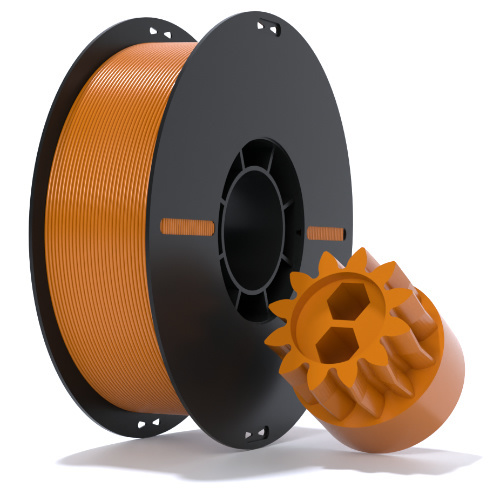
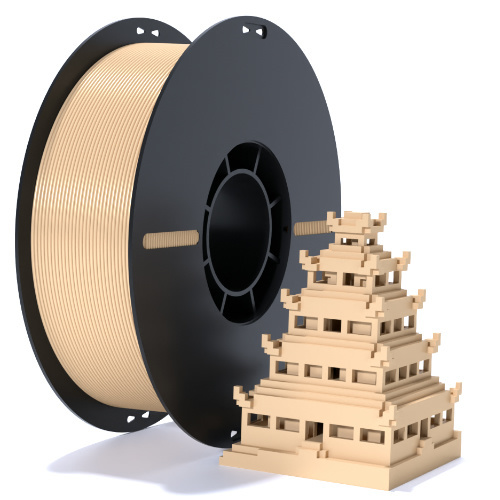
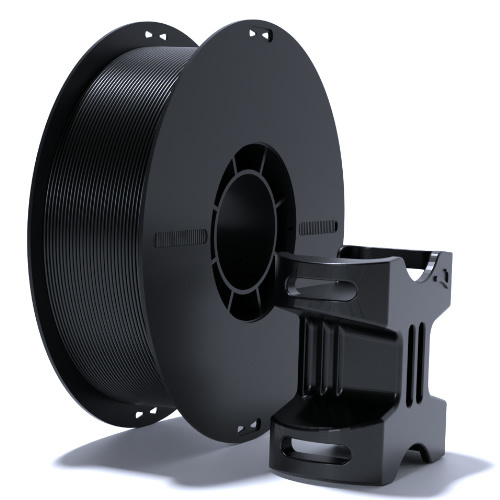
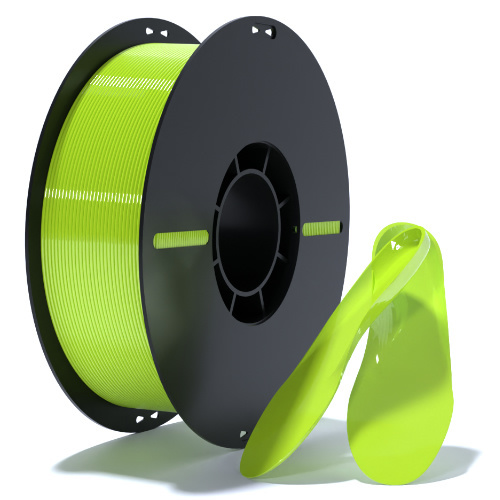






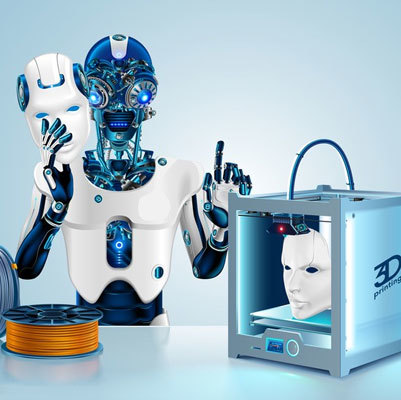




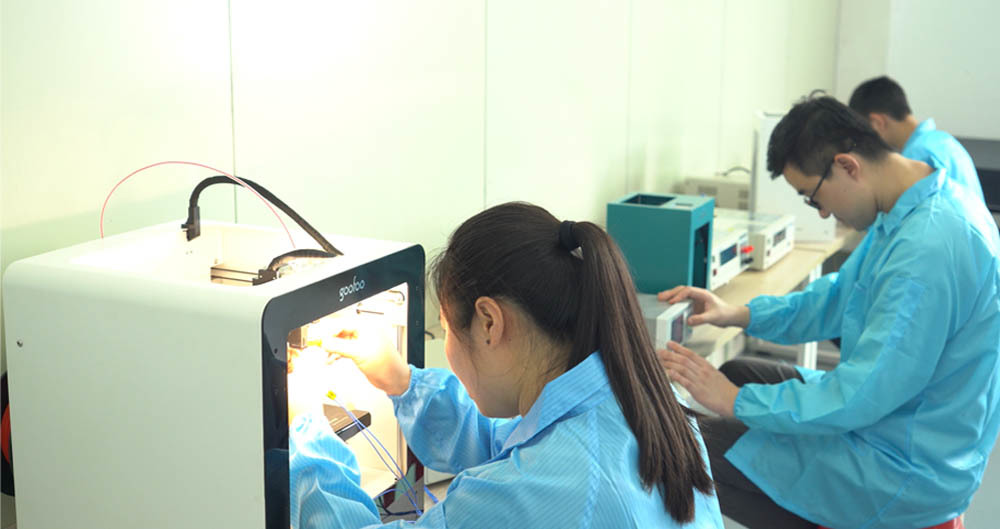




Get Inspired: Explore the Latest 3D Printer Files for Your Projects
2024-12-08 10:20
Get Inspired: Explore the Latest 3D Printer Files for Your Projects
Table of Contents
- 1. Introduction to 3D Printing and Project Inspiration
- 2. What is 3D Printing?
- 3. Benefits of Using 3D Printers in Your Projects
- 4. Exploring the Latest 3D Printer Files
- 5. Where to Find Free and Premium 3D Printer Files
- 6. Best Practices for 3D Printing Success
- 7. The Future of 3D Printing Technology
- 8. Frequently Asked Questions (FAQs)
- 9. Conclusion
1. Introduction to 3D Printing and Project Inspiration
In the fast-evolving world of technology, **3D printing** stands out as a revolutionary approach to creating products and prototypes. From intricate designs to functional parts, the flexibility of 3D printing opens a realm of possibilities for makers, designers, and engineers alike. In this article, we will explore the latest **3D printer files** available, providing inspiration for your next project, whether you're a seasoned professional or a beginner looking to dive into this exciting field.
2. What is 3D Printing?
**3D printing**, also known as **additive manufacturing**, is a process that creates a physical object from a digital design. This innovative method builds objects layer by layer, using materials such as plastics, metals, and even biological substances. The process begins with a **3D model**, which can be designed using specialized CAD (Computer-Aided Design) software or downloaded from various online repositories.
Once the model is created, it is sliced into thin horizontal layers using slicing software, which generates a **G-code** file that instructs the 3D printer on how to build the object layer by layer. The printer then lays down successive layers of material until the final product is complete, allowing for incredible detail and customization.
3. Benefits of Using 3D Printers in Your Projects
Utilizing **3D printing technology** in your projects offers numerous advantages:
Cost-Effective Prototyping
3D printing significantly reduces the costs associated with traditional manufacturing methods. It allows for rapid prototyping, enabling designers to create and test multiple iterations of their designs without incurring high costs.
Customization and Personalization
One of the standout features of 3D printing is its ability to produce customized products. Whether it's a unique gift, a tailored fit for a specific need, or a one-of-a-kind design, 3D printing makes it possible to create bespoke items easily.
Reduced Waste
Since 3D printing is an additive process, it generates less waste compared to subtractive manufacturing methods. This aspect not only benefits the environment but also translates to lower material costs.
Speed of Production
The speed at which prototypes and products can be produced is remarkable. What once took weeks or months in traditional manufacturing can now be accomplished in a matter of days or even hours.
Complex Geometries
3D printing allows the creation of complex geometries that would be difficult or impossible to achieve with traditional manufacturing techniques. This capability enables innovation in design and function.
4. Exploring the Latest 3D Printer Files
As the popularity of **3D printing** grows, so does the availability of diverse and exciting **3D printer files**. Here, we’ll explore some of the latest trends in 3D printing files that can inspire your projects:
Functional Parts and Prototypes
Many designers share files for functional items, from mechanical parts to everyday tools. These files often focus on practical designs that can be easily printed and used in real-world applications.
Artistic Creations and Sculptures
The world of art is thriving in the 3D printing community. Artists are leveraging 3D printing to create intricate sculptures and decorative pieces that push the boundaries of traditional art forms.
Household Items and Gadgets
Everyday objects, such as planters, organizers, and custom kitchen gadgets, are commonly shared online. These files cater to a wide audience looking to enhance their homes with unique and personalized items.
Educational Tools and Models
Educators are increasingly turning to 3D printing to create teaching aids and models. Whether it's anatomical models for biology or historical replicas for social studies, 3D printing can significantly enhance the learning experience.
Toys and Games
The gaming community has embraced 3D printing with enthusiasm. Many designers share files for custom game pieces, miniatures, and even complete board games, allowing enthusiasts to personalize their gaming experience.
5. Where to Find Free and Premium 3D Printer Files
Finding high-quality **3D printer files** has never been easier, with numerous platforms available for both free and paid downloads. Here are some popular options:
Thingiverse
Thingiverse is one of the largest repositories for free 3D printer files. It offers a vast selection of user-uploaded designs, spanning various categories, including art, gadgets, and educational tools.
Cults3D
Cults3D provides a mix of free and premium files. It features a community of designers who share their work, making it a great resource for finding unique 3D prints.
MyMiniFactory
MyMiniFactory is another excellent platform for downloadable 3D printer files. It focuses on quality, ensuring that all files are printable and functional, making it a trusted resource for novices and experts alike.
Pinshape
Pinshape offers a combination of free and paid designs, allowing users to find a variety of options for their printing needs. It also features a community forum for discussing tips and sharing experiences.
Shapeways
Shapeways is a platform that not only provides a marketplace for buying and selling 3D designs but also allows users to upload their creations. While some files are available for free, many are premium designs created by talented artists.
6. Best Practices for 3D Printing Success
To achieve the best results with your **3D printing projects**, consider the following best practices:
Choose the Right Material
Selecting the appropriate material for your project is crucial. Each material has specific properties that affect the final product's durability, flexibility, and appearance. Common materials include PLA, ABS, PETG, and resin.
Optimize Your 3D Model
Before printing, ensure that your 3D model is optimized for printing. This includes checking for errors, ensuring proper wall thickness, and minimizing overhangs to reduce the need for supports.
Adjust Printer Settings
Fine-tuning your printer settings can significantly influence the quality of your print. Consider adjusting parameters such as layer height, print speed, and temperature to find the optimal settings for your specific project.
Test Print Small Versions
When working on a new design, consider performing test prints of smaller versions to identify any issues before committing to a full-scale print. This approach saves time and materials.
Post-Processing Techniques
Post-processing can enhance the final appearance of your printed object. Techniques such as sanding, painting, or adding protective coatings can improve aesthetics and durability.
7. The Future of 3D Printing Technology
The **future of 3D printing** technology looks promising, with ongoing advancements that are set to revolutionize various industries. Emerging trends include:
Bioprinting
In the medical field, **bioprinting** is gaining traction, with researchers exploring the possibility of printing tissues and organs. This groundbreaking development could potentially address organ shortages and revolutionize transplant medicine.
Construction and Architecture
3D printing is making waves in the construction industry, with companies beginning to print entire houses and buildings. This method promises reduced construction costs and faster project timelines.
Customized Manufacturing
As 3D printing technology continues to evolve, the concept of mass customization is becoming a reality. Consumers will soon have the ability to personalize products at a scale previously thought impossible.
Sustainability Initiatives
Innovations in sustainable materials are paving the way for greener 3D printing practices. The use of recycled plastics and biodegradable materials is gaining popularity, promoting environmentally friendly production methods.
8. Frequently Asked Questions (FAQs)
What types of materials can I use for 3D printing?
You can use various materials, including PLA, ABS, PETG, nylon, and resin. Each material has its own properties, making some more suitable for specific projects than others.
Where can I find 3D printer files?
You can find 3D printer files on platforms like Thingiverse, Cults3D, MyMiniFactory, Pinshape, and Shapeways. Each platform offers a mix of free and premium designs.
How do I prepare a 3D model for printing?
Preparing a 3D model includes optimizing the design, checking for errors, and ensuring proper settings for wall thickness and overhangs to minimize printing issues.
What is the ideal layer height for 3D printing?
The ideal layer height varies depending on the project, but common settings range from 0.1mm to 0.3mm. Finer layers produce better detail but take longer to print.
Can I use 3D printing for functional parts?
Yes! Many 3D printing materials are strong and durable, making them suitable for creating functional parts and prototypes used in real-world applications.
9. Conclusion
Exploring the latest **3D printer files** opens up a world of creativity and innovation for your projects. As technology continues to advance, the possibilities within the realm of 3D printing will only expand. By leveraging the resources and practices outlined in this article, you can embark on your 3D printing journey with confidence. Whether you’re looking to create functional prototypes, artistic designs, or personalized gadgets, the world of 3D printing awaits your imagination. So, get inspired and turn your ideas into reality!
3d printer files
Recommended News
 Esperanto
 Shqiptare
 Euskara
 Zulu
Zulu
 Latinus
 Cymraeg
 தமிழ்
தமிழ்
 Slovak
 Slovak
 Afrikaans
Join us
Subscribe to get the latest news


Skype / WhatsApp: +86 592-5713513 / +86-13860126490
No.88-3, North Tongji Road, Xike County, Tong'an District, Xiamen, Fujian China
Xiamen Goofoo Technology Co., Ltd. All Rights Reserved 闽ICP备2022008070号-1 SEO 300.cn
Phone:+0086 592-5713513
Address: No.88-3, North Tongji Road, Xike County, Tong’an District, Xiamen, Fujian China
Email: sales@goofoo3d.com
We will give you feedback in time