
- Shop Shop
-
Desktop
Desktop
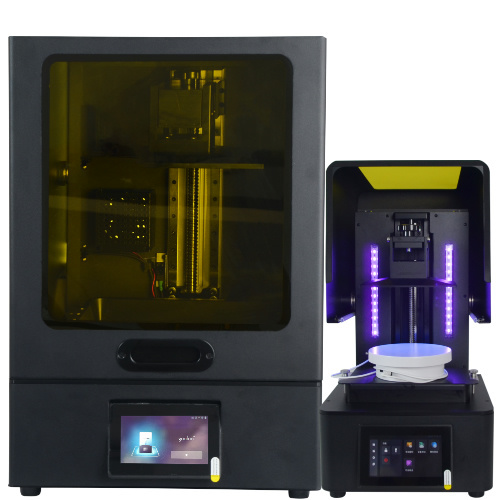
MSLA series

High accuracy Lens-s pro
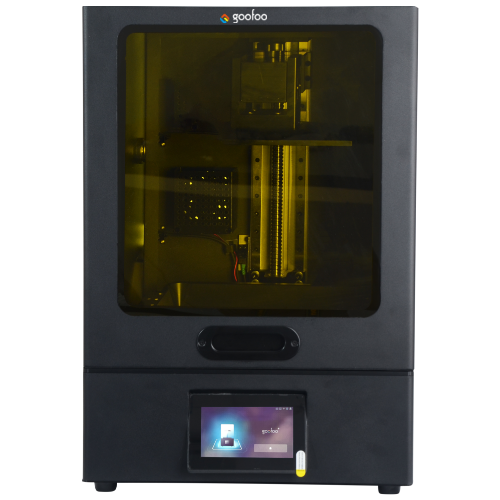
Large build volume Lens-m pro
- Industrial Industrial
-
Material
Material

Resin series

Dental DM100/TC100/ etc.

Jewelry Jewelry Resin

Generic PW100

Industry High Temp Resin

Garage Kit Red wax
-
Expanded
Expanded
Laser Engraver/CNC

TS4030(class1) Laser engraver & cutter 400*300mm
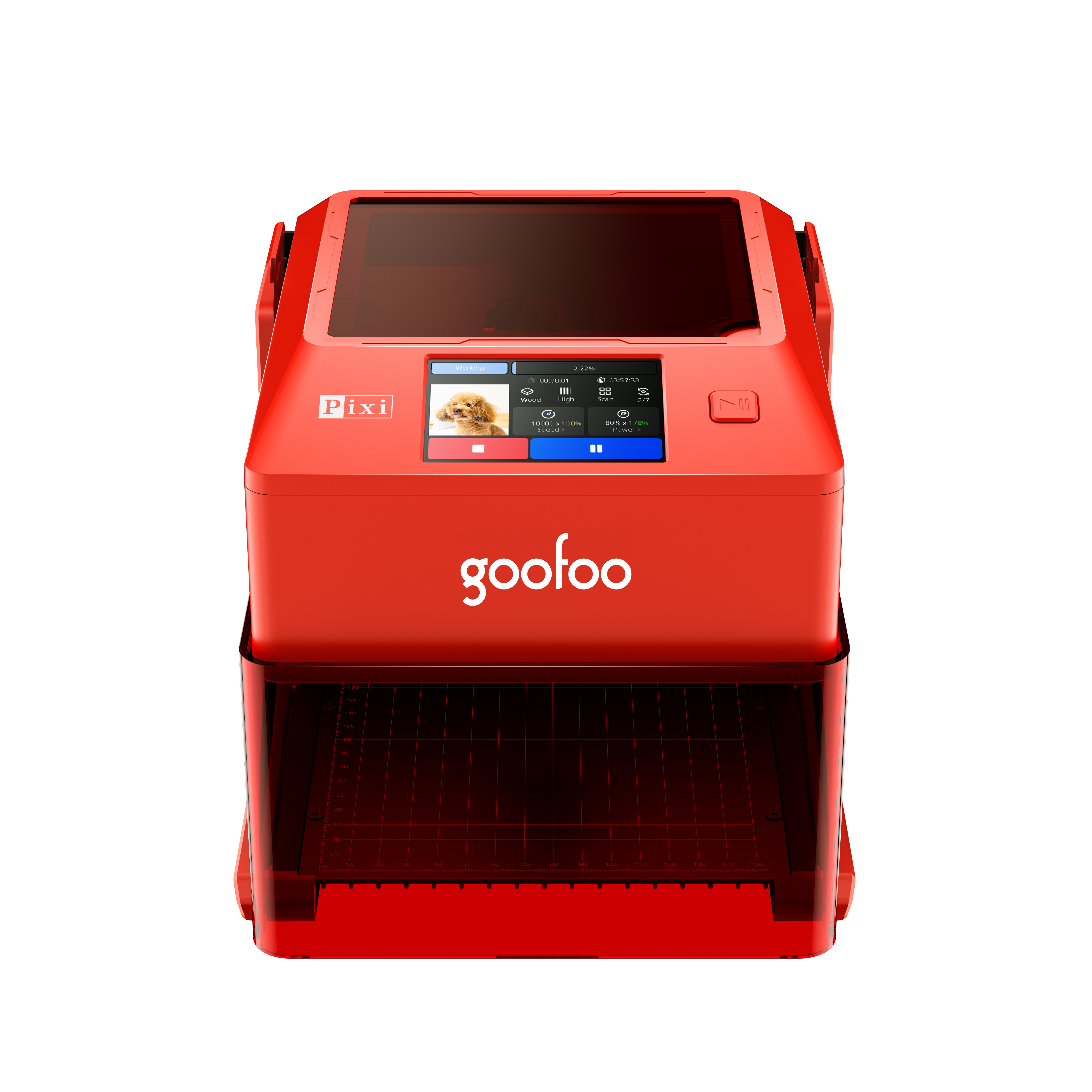
Pixi(class1) Laser engraver & cutter 100*100mm
3D scanner
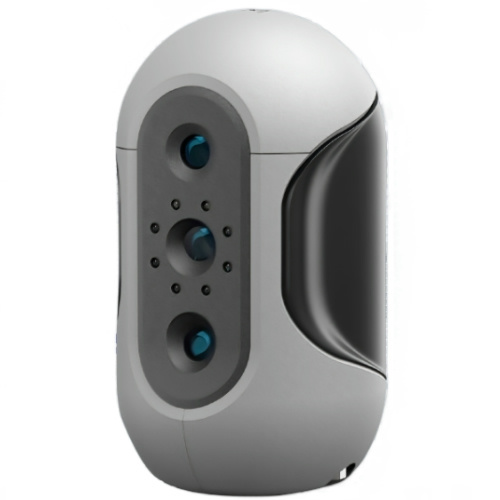
Mole Highest accuracy 0.05mm
- Industries & Applications Industries & Applications
- Support Support
- About Us About Us
- Contact Us Contact Us
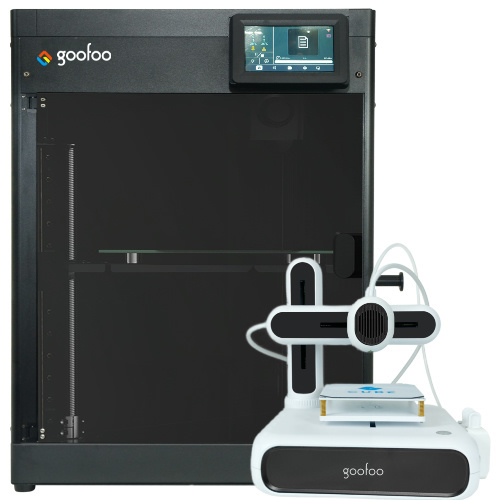


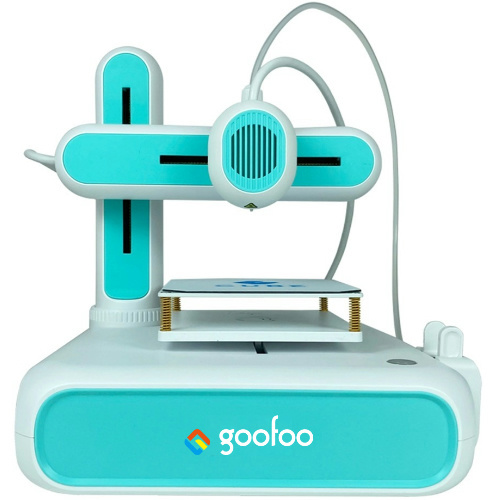
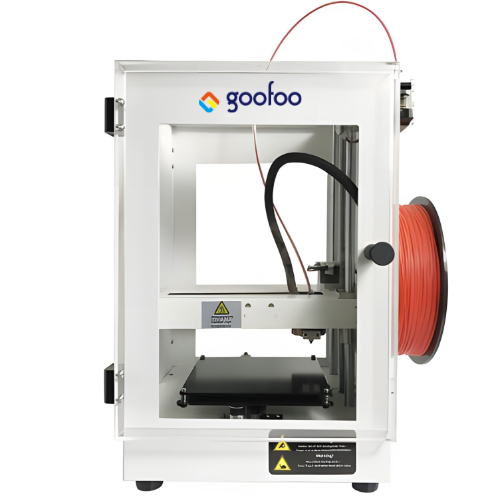
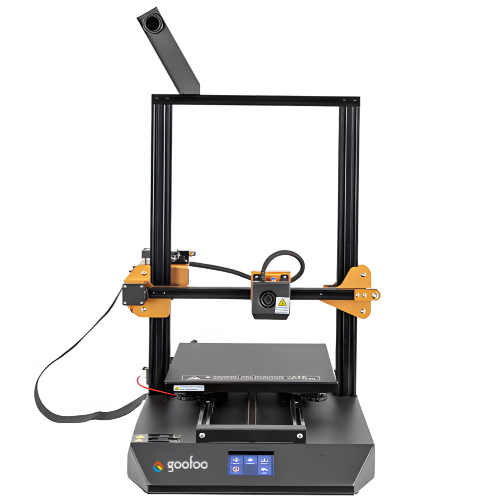
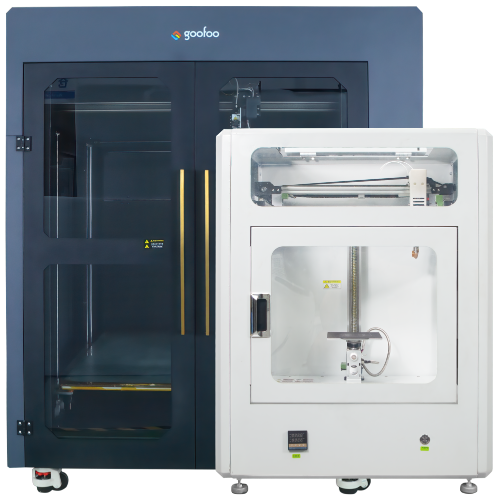

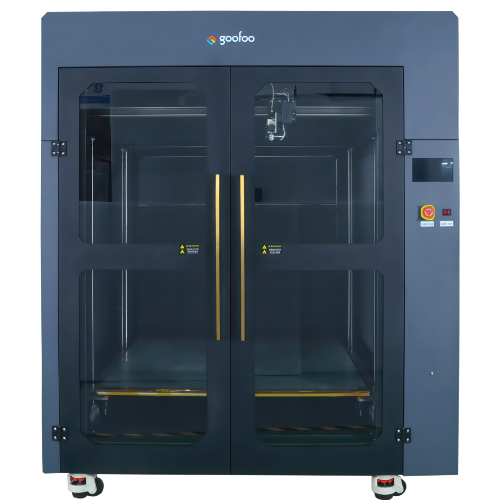
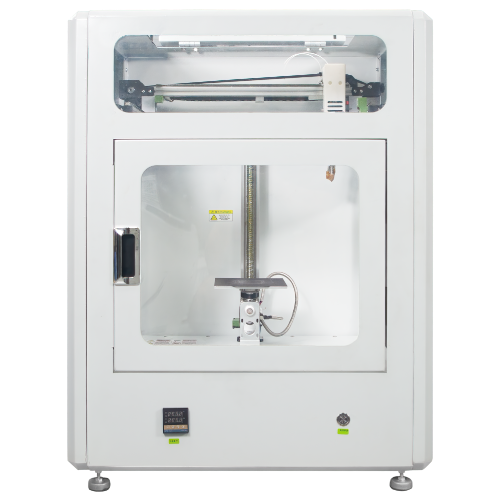
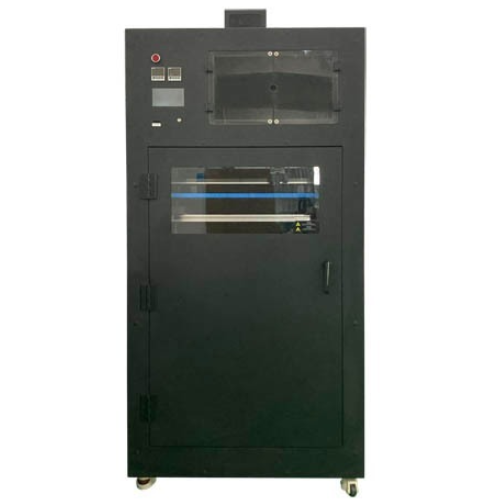
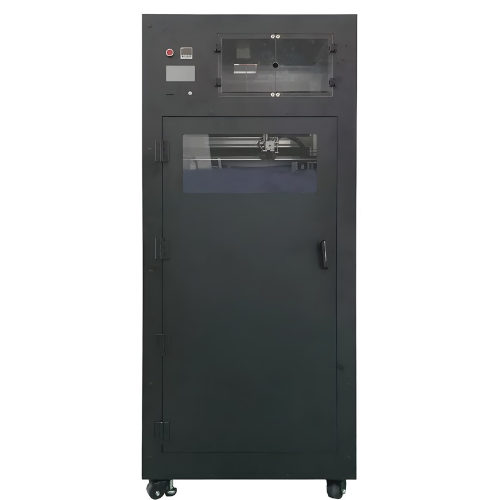
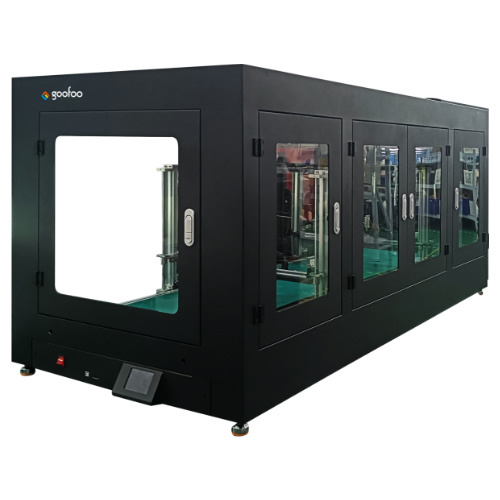
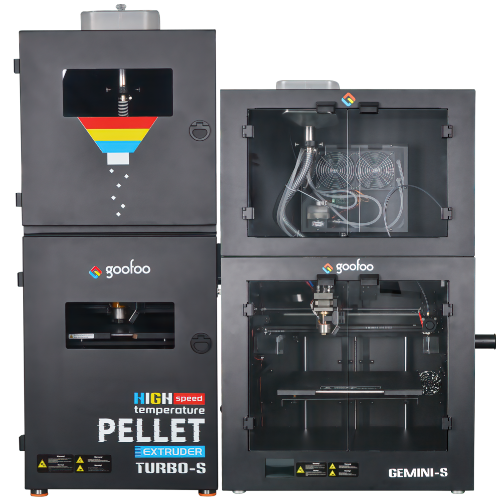

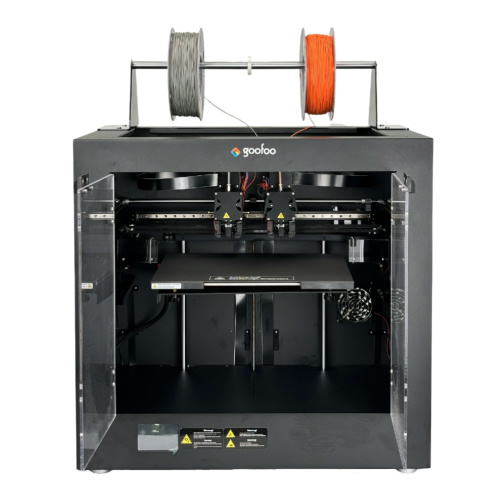














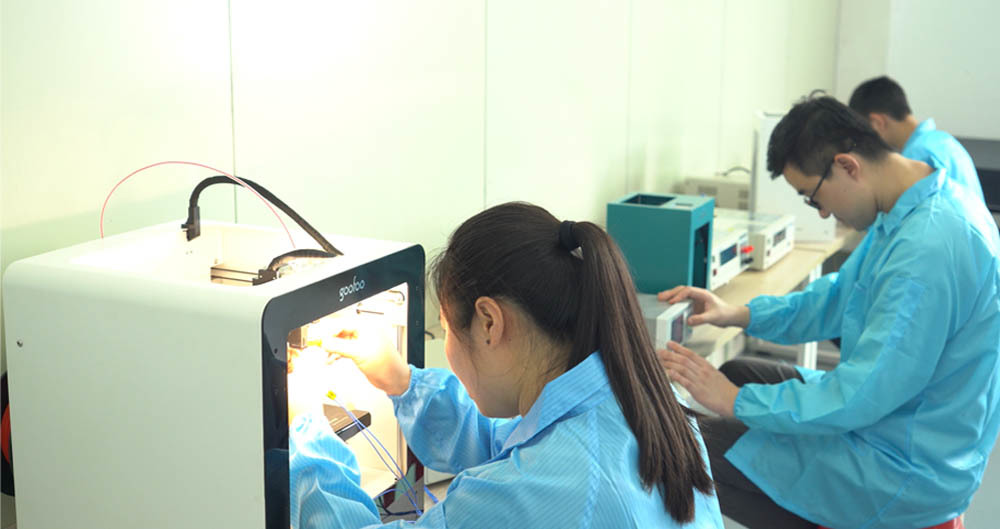




The Intriguing Mechanics of a 3D Printer Unveiled
2026-05-10 03:39

Image Source: unsplash
Understanding the Basics of a 3D Printer
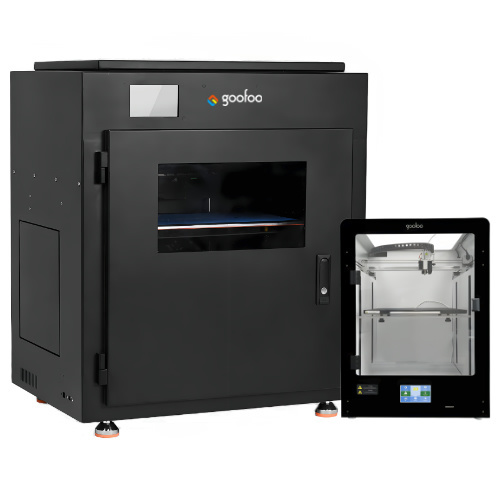
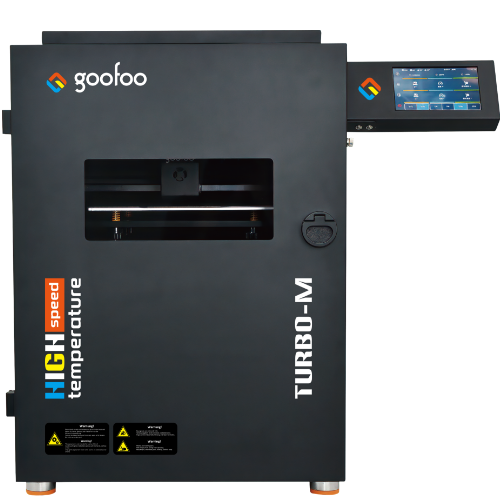
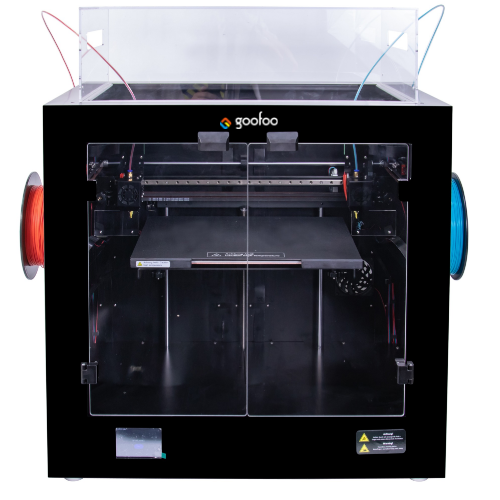
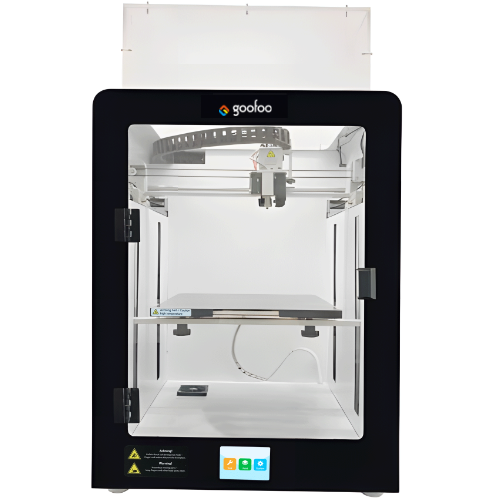
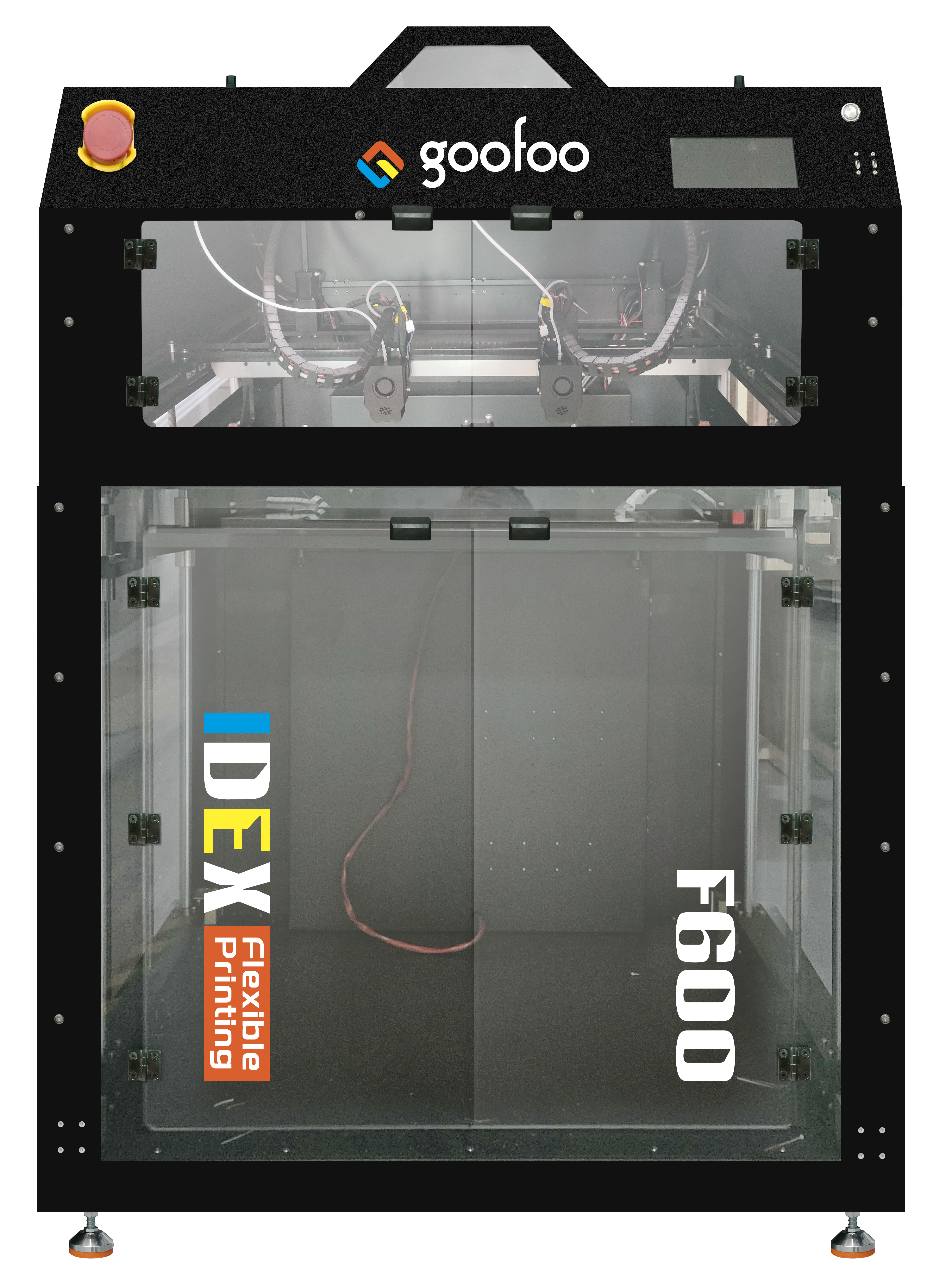
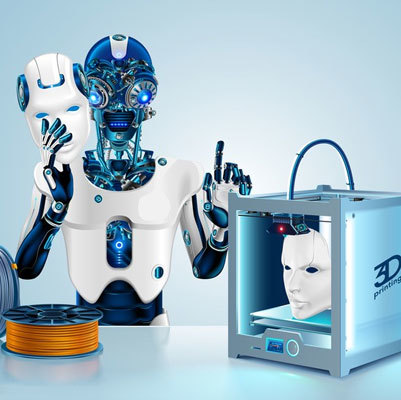
Have you ever wondered how a 3D printer brings ideas to life? Well, buckle up, because we're about to dive into the fascinating world of additive manufacturing! A 3D printer isn't just a gadget; it's a revolutionary tool that creates three-dimensional objects layer by layer. The process is as captivating as it is intricate.
The Building Blocks of 3D Printing
To fully grasp how a 3D printer works, let's break it down into bite-sized pieces. First off, you need a 3D model. This can be designed using CAD software or downloaded from various online repositories. Once you have your design, it's time to prepare it for printing. This involves slicing the model into thin horizontal layers, which the printer will use as a roadmap.
How Does it Actually Work?
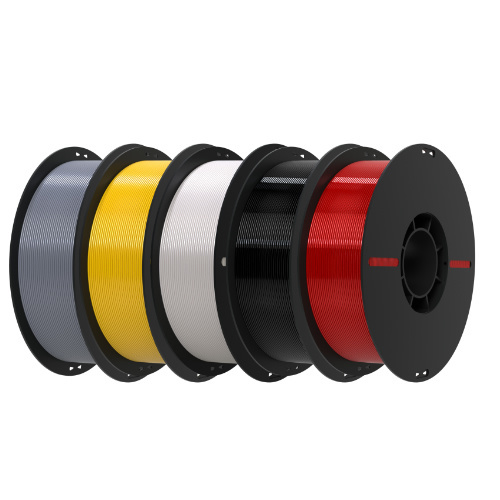
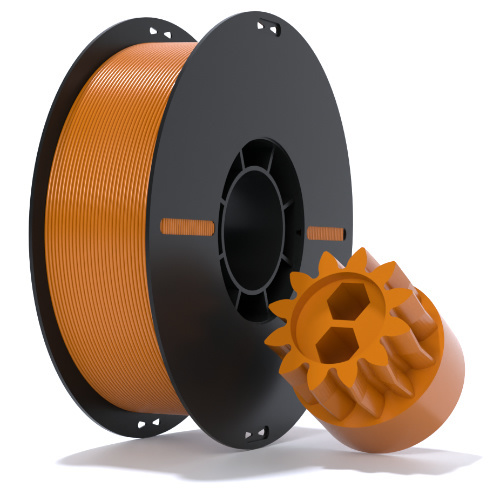
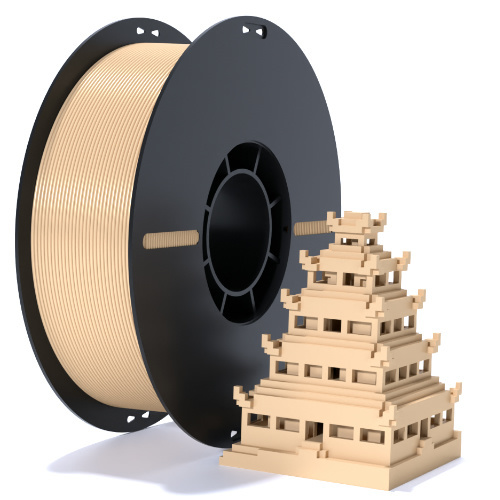
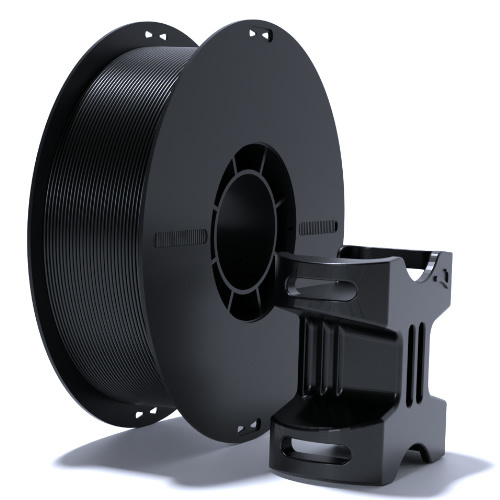
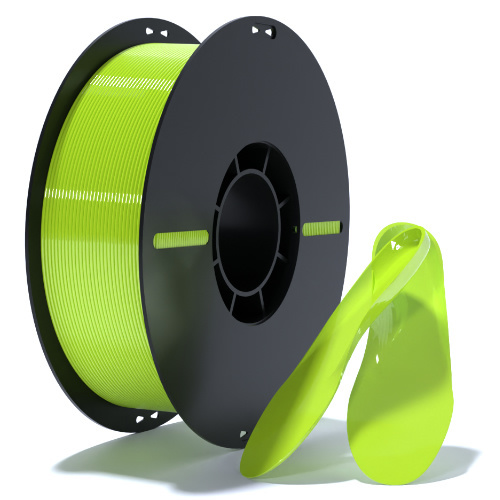
Okay, so here's where the magic happens! The printer uses filament, which is often made from materials like PLA or ABS. This filament is fed through a heated nozzle that melts it down, allowing it to be precisely deposited onto the print bed. The printer starts at the bottom and works its way up, adding layer after layer until your object is complete. It's like watching a sculptor chip away at a block of marble, but in reverse!
The Importance of Calibration
Now, let's not forget about calibration. A well-calibrated printer is crucial for ensuring that each layer adheres properly to the previous one. If the bed isn't leveled correctly, or if the nozzle is too far from the bed, you might end up with a jumbled mess instead of a masterpiece. Patience is key here. Just like baking, getting the right measurements can make all the difference!
Materials Matter
Different projects require different materials. For instance, if you're printing something that needs to withstand heat, you might opt for a higher temperature filament. And let's not forget about the versatility of 3D printing; you can use plastic, metal, or even resin! The choice of material can influence not just the look, but the durability and functionality of the finished product.
Applications of 3D Printing
From prototype development to custom parts for machinery, the applications of 3D printing are virtually limitless. It's transforming industries, including healthcare, where prosthetics can be tailored perfectly to a patient's anatomy. Talk about a game changer! And let's not forget about the art world, where artists are using 3D printers to create jaw-dropping sculptures.
A Look into the Future
What's next for this innovative technology? The future looks bright! As advancements continue, we may see even more eco-friendly materials being used, reducing waste and energy consumption. Plus, with the integration of AI, imagine a printer that can adapt its settings on the fly for optimal results!
Wrapping It Up
So there you have it! The inner workings of a 3D printer laid bare. From design to material selection, each step is a crucial cog in the wheel of creativity and innovation. Whether you're a hobbyist or a professional, the world of 3D printing is undoubtedly an exciting frontier. So, why not jump in and explore?
Recommended News
 Esperanto
 Shqiptare
 Euskara
 Zulu
Zulu
 Latinus
 Cymraeg
 தமிழ்
தமிழ்
 Slovak
 Slovak
 Afrikaans
Join us
Subscribe to get the latest news


Skype / WhatsApp: +86 592-5713513 / +86-13860126490
No.88-3, North Tongji Road, Xike County, Tong'an District, Xiamen, Fujian China
Xiamen Goofoo Technology Co., Ltd. All Rights Reserved 闽ICP备2022008070号-1 SEO 300.cn
Phone:+0086 592-5713513
Address: No.88-3, North Tongji Road, Xike County, Tong’an District, Xiamen, Fujian China
Email: sales@goofoo3d.com
We will give you feedback in time