
- Shop Shop
-
Desktop
Desktop
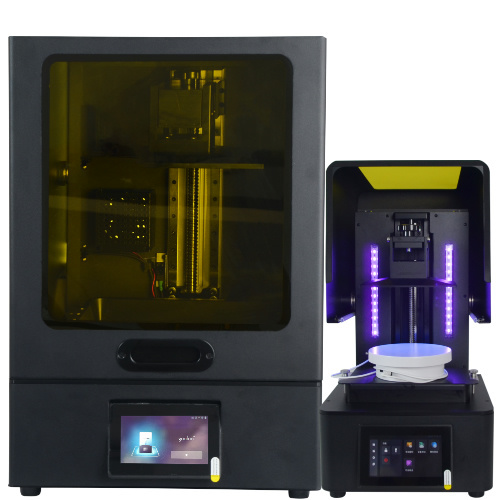
MSLA series
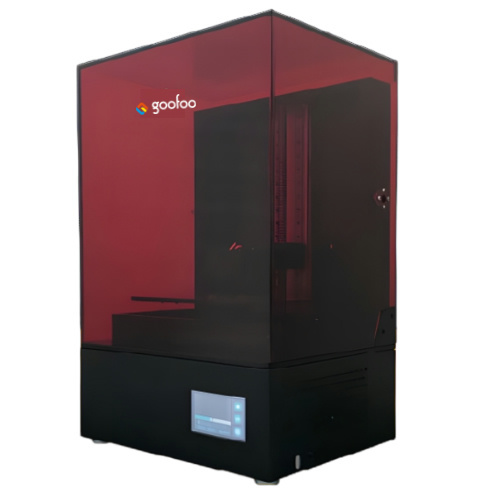
High accuracy Lens-s pro
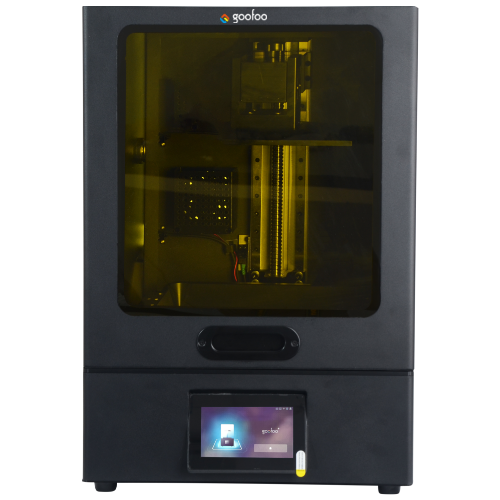
Large build volume Lens-m pro
- Industrial Industrial
-
Material
Material

Resin series

Dental DM100/TC100/ etc.

Jewelry Jewelry Resin

Generic PW100

Industry High Temp Resin

Garage Kit Red wax
-
Expanded
Expanded
Laser Engraver/CNC
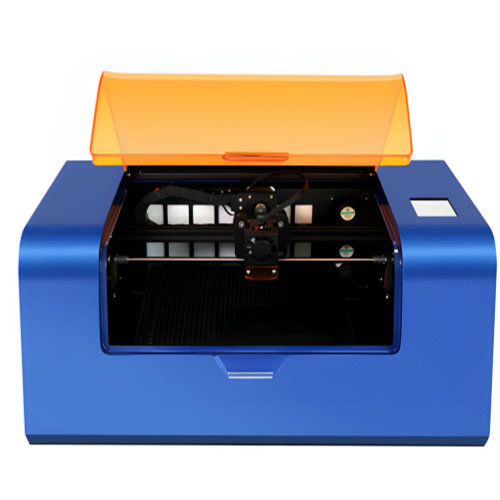
TS3(class1) Laser engraver & cutter 200*300mm
Pixi(class1) Laser engraver & cutter 100*100mm
3D scanner
Mole Highest accuracy 0.05mm
- Industries & Applications Industries & Applications
- Support Support
- About Us About Us
- Contact Us Contact Us


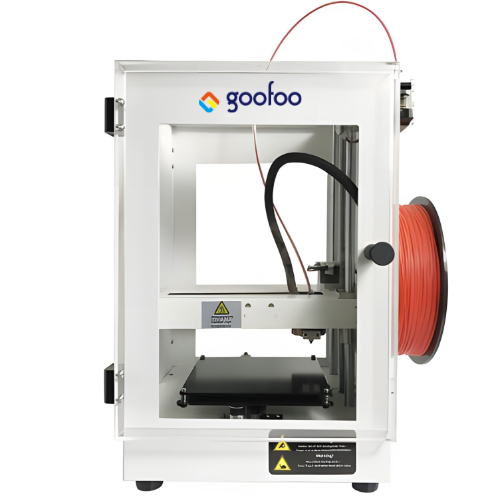
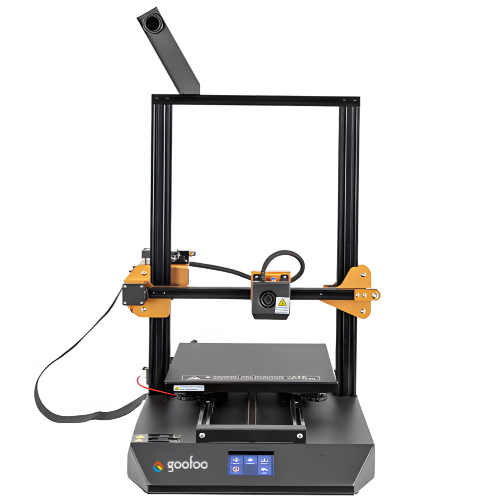
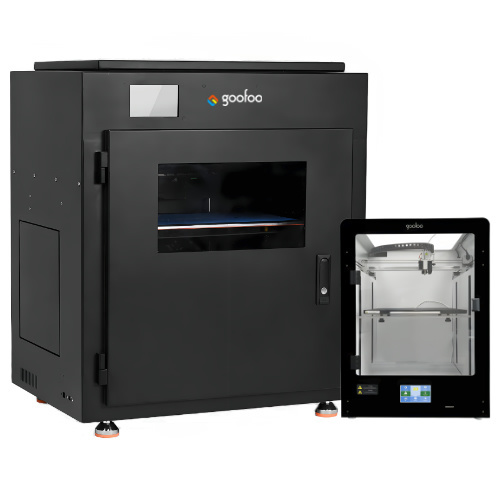
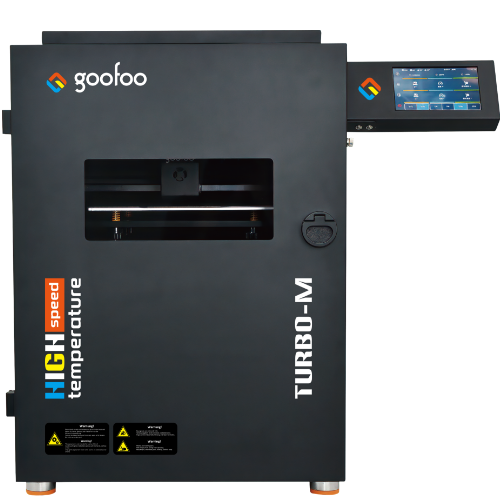
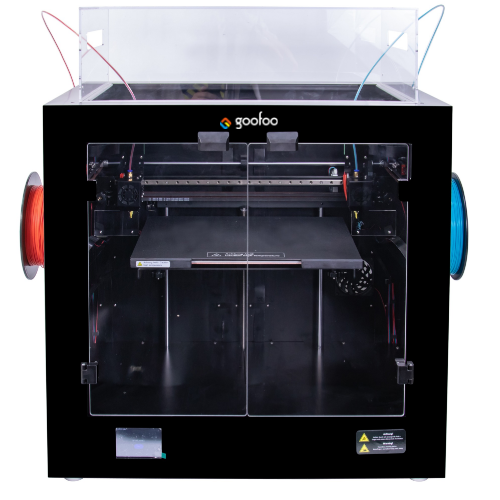
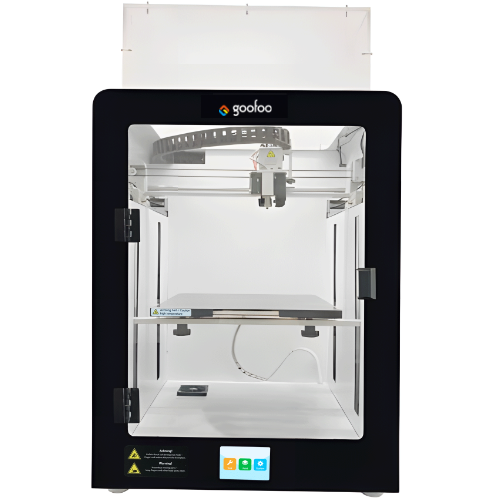
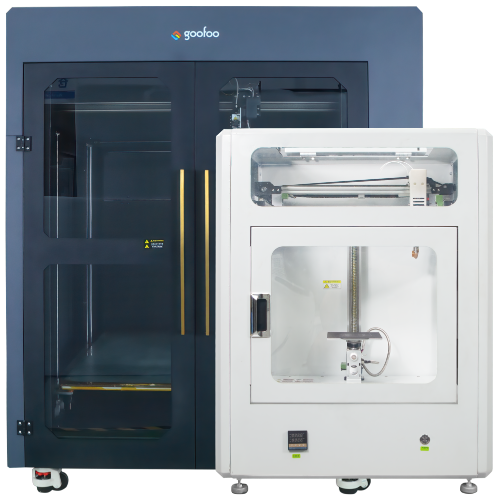
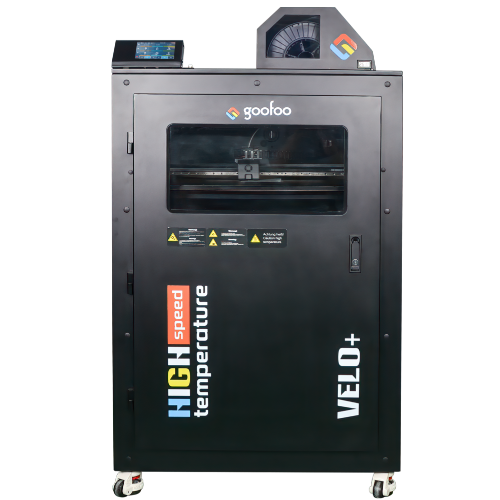
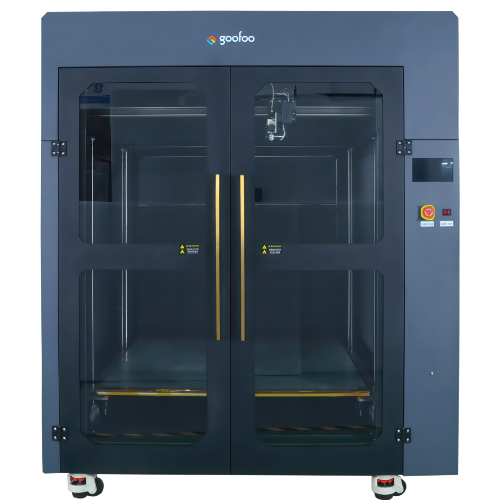
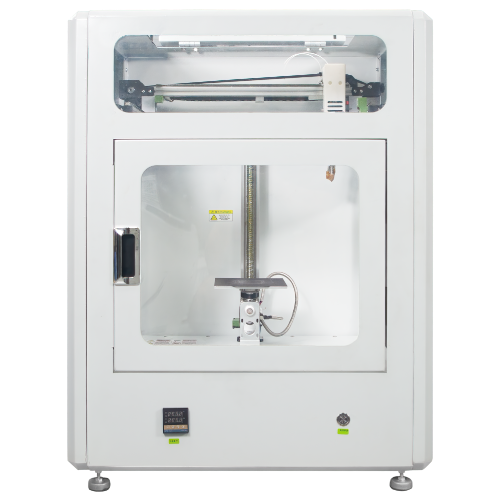
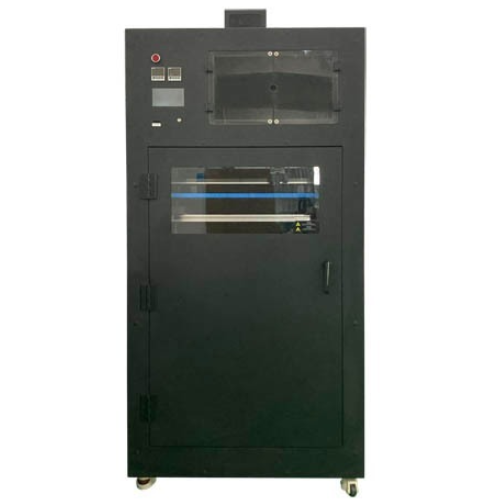
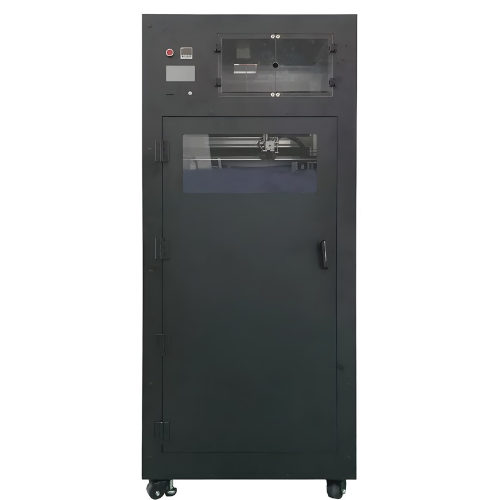
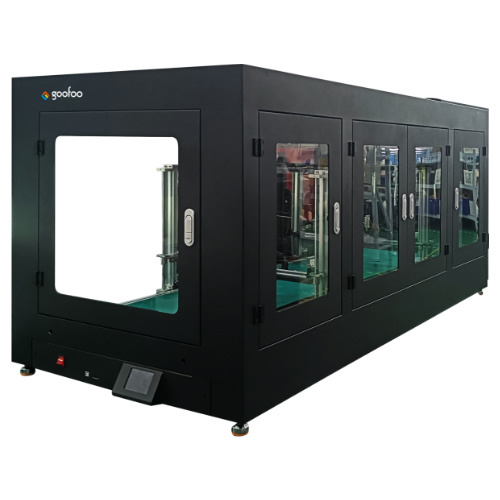
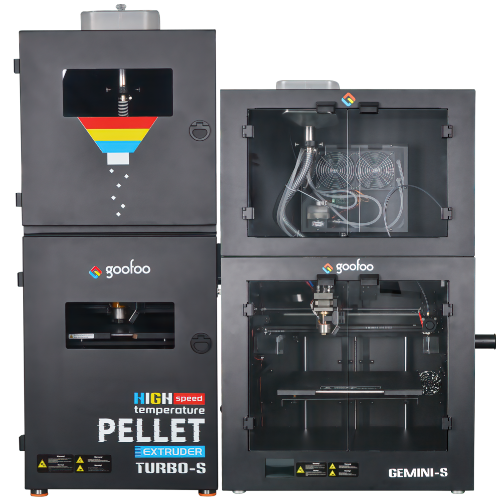
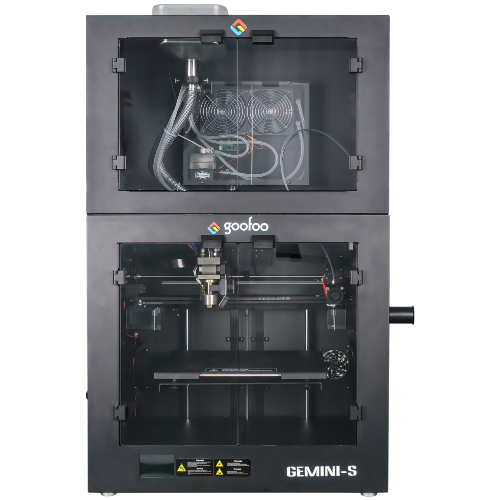
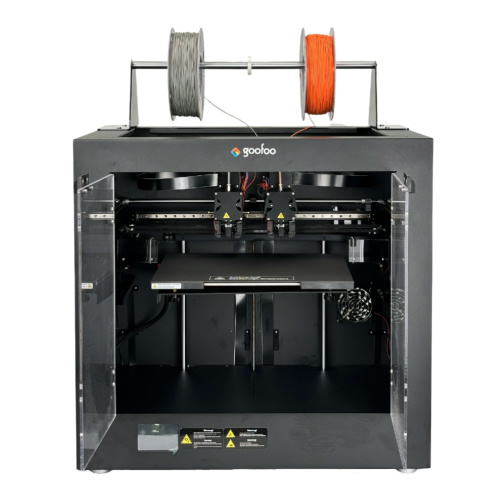


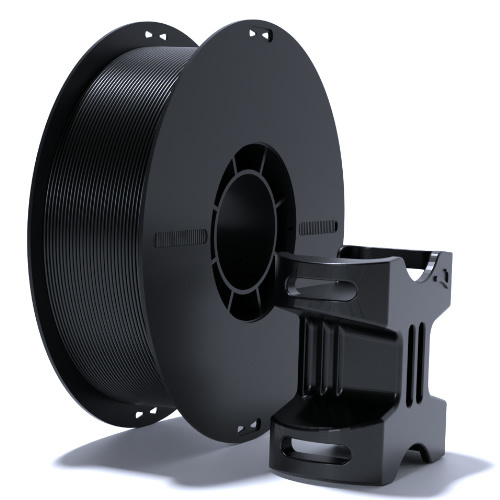
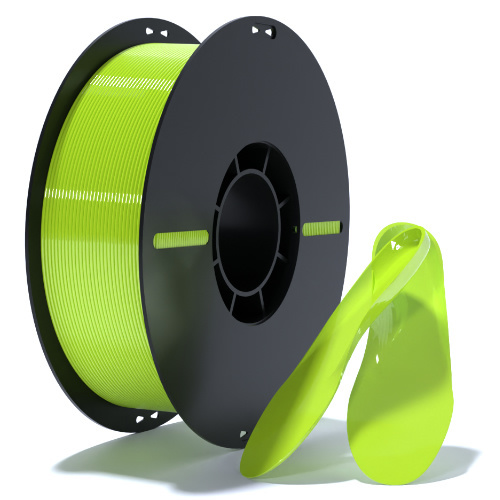


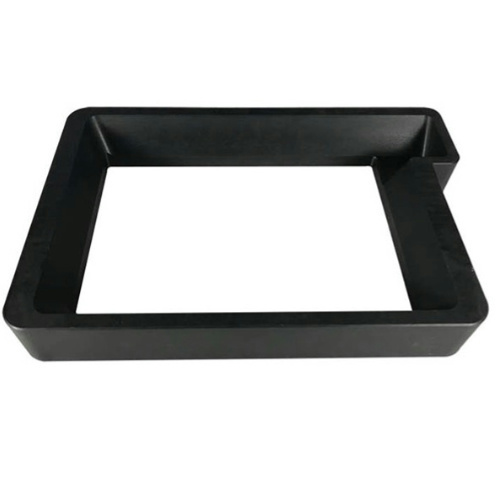




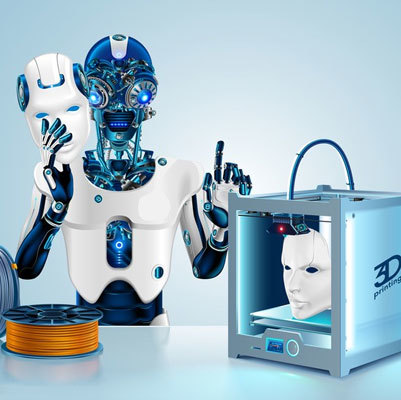





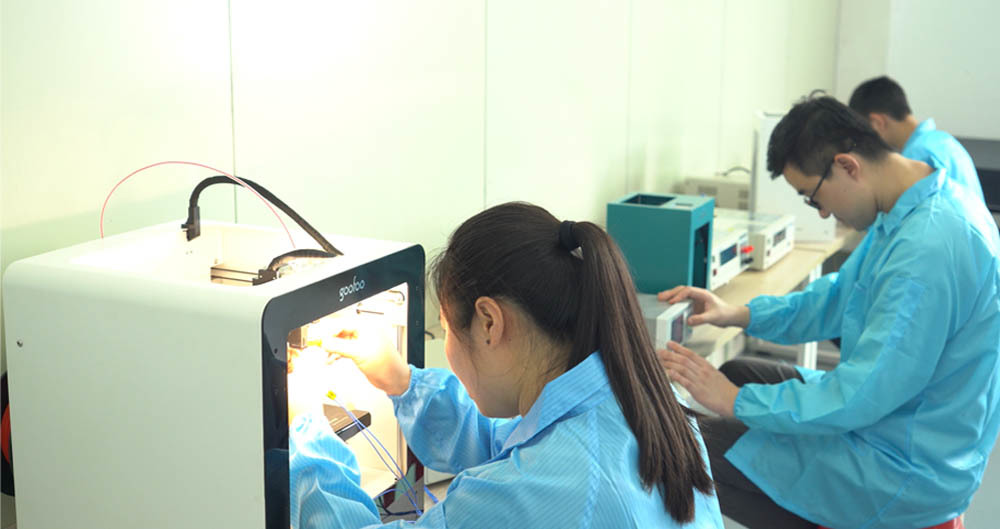




Exploring the World of 3D Printers with Resin: A Comprehensive Overview
2024-08-24 09:00
3D printers with resin have transformed the landscape of digital fabrication, offering a level of detail and precision that is often unmatched by traditional filament-based printers. At the core of resin printing technology is a process known as stereolithography (SLA) or digital light processing (DLP), where a liquid photopolymer resin is cured layer by layer using a light source. This allows for the creation of intricate designs and smooth surfaces that are particularly favored in industries such as jewelry, dental, and even aerospace.
One of the standout features of 3D printers with resin is their ability to produce highly detailed prints. The resolution of resin prints is often measured in microns, with some printers achieving resolutions as fine as 25 microns. This level of detail is critical for applications where precision is paramount, such as in prototyping intricate models or creating detailed figures for tabletop gaming.
Another significant advantage of resin 3D printing is the variety of materials available. Resin can be formulated to meet specific needs—there are flexible resins, rigid materials, and even castable resins that can be used in lost-wax casting processes. This versatility opens up numerous possibilities for creators, enabling them to choose the right material for their specific application, whether it’s for functional prototypes, artistic sculptures, or even medical applications like dental crowns.
However, it’s important to note that working with resin does come with its own set of challenges. The curing process can emit fumes that may be harmful if inhaled, so working in a well-ventilated area and using personal protective equipment (PPE) is crucial. Additionally, the post-processing of resin prints—which often involves rinsing off uncured resin and curing the prints under UV light—adds extra steps to the printing process compared to traditional FDM printing.
When considering a 3D printer with resin, users should evaluate factors such as build volume, printing speed, and compatibility with different types of resin. These factors will play a significant role in determining how well the printer meets specific project needs.
In summary, 3D printers with resin represent a powerful tool for creators looking to produce highly detailed and precise models. With their unique capabilities and versatility in material options, they stand out in the realm of 3D printing. As technology continues to evolve, the possibilities for innovation within this field are boundless, making resin 3D printing an exciting option for hobbyists and professionals alike.
3d printer with resin
Recommended News
 Esperanto
 Shqiptare
 Euskara
 Zulu
Zulu
 Latinus
 Cymraeg
 தமிழ்
தமிழ்
 Slovak
 Slovak
 Afrikaans
Join us
Subscribe to get the latest news


Skype / WhatsApp: +86 592-5713513 / +86-13860126490
No.88-3, North Tongji Road, Xike County, Tong'an District, Xiamen, Fujian China
Xiamen Goofoo Technology Co., Ltd. All Rights Reserved 闽ICP备2022008070号-1 SEO 300.cn
Phone:+0086 592-5713513
Address: No.88-3, North Tongji Road, Xike County, Tong’an District, Xiamen, Fujian China
Email: sales@goofoo3d.com
We will give you feedback in time