
- Shop Shop
-
Desktop
Desktop
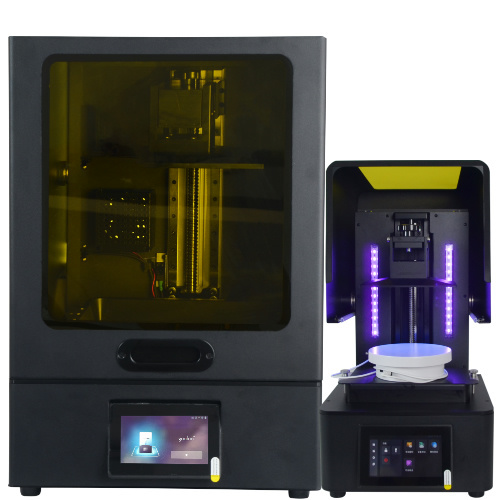
MSLA series

High accuracy Lens-s pro
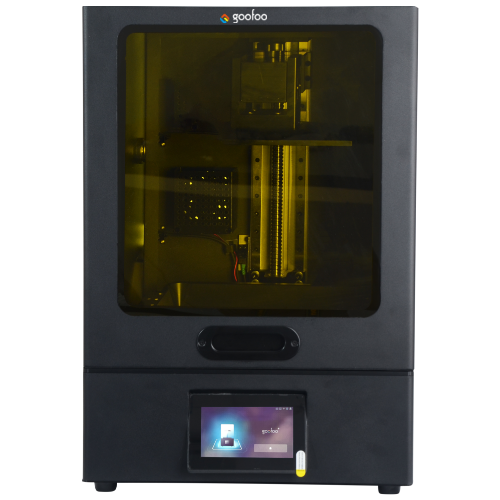
Large build volume Lens-m pro
- Industrial Industrial
-
Material
Material

Resin series

Dental DM100/TC100/ etc.

Jewelry Jewelry Resin

Generic PW100

Industry High Temp Resin

Garage Kit Red wax
-
Expanded
Expanded
Laser Engraver/CNC

TS4030(class1) Laser engraver & cutter 400*300mm
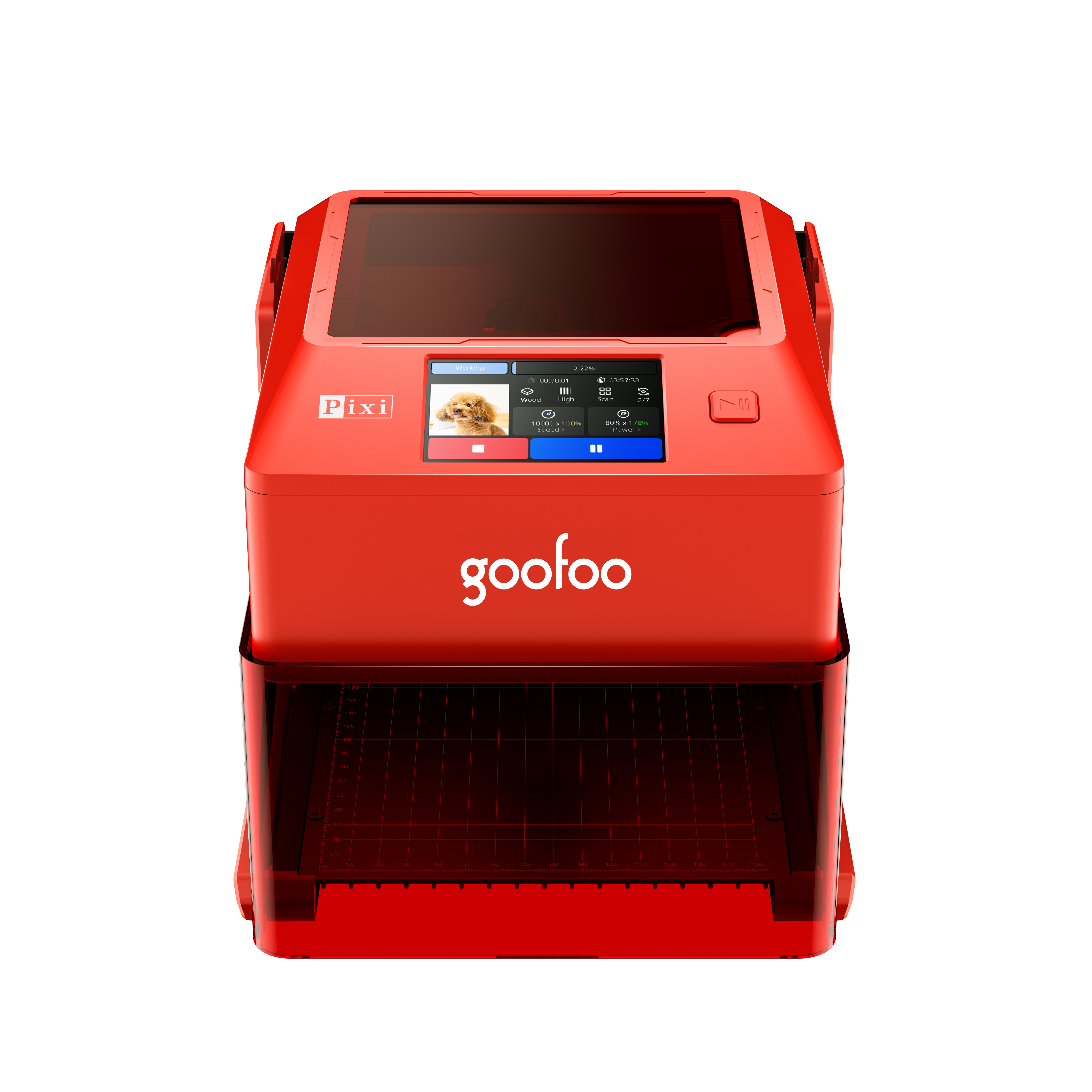
Pixi(class1) Laser engraver & cutter 100*100mm
3D scanner
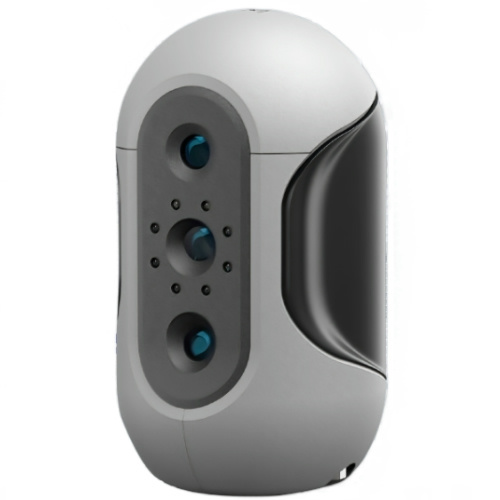
Mole Highest accuracy 0.05mm
- Industries & Applications Industries & Applications
- Support Support
- About Us About Us
- Contact Us Contact Us
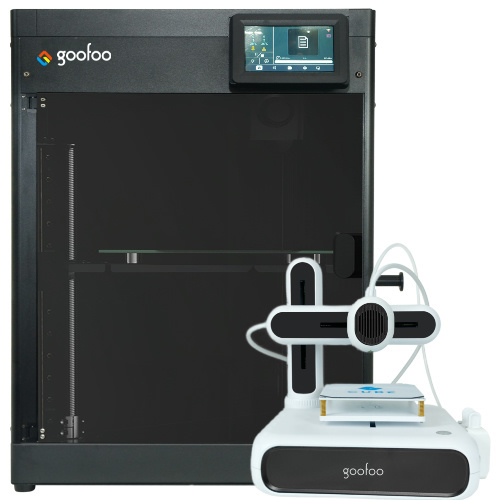


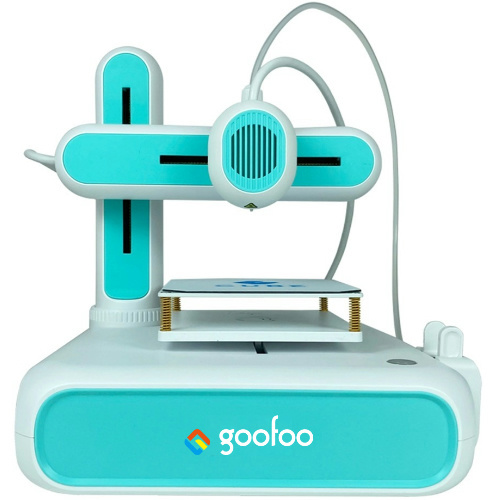
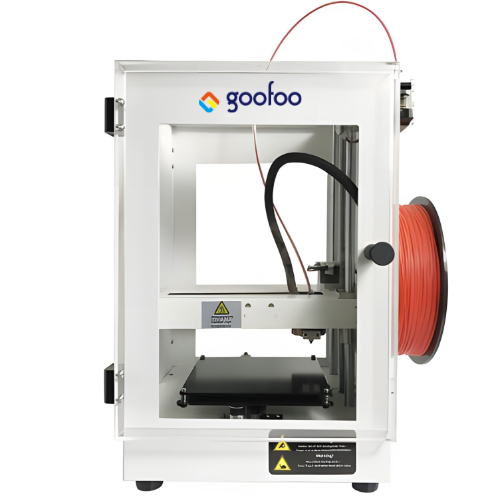
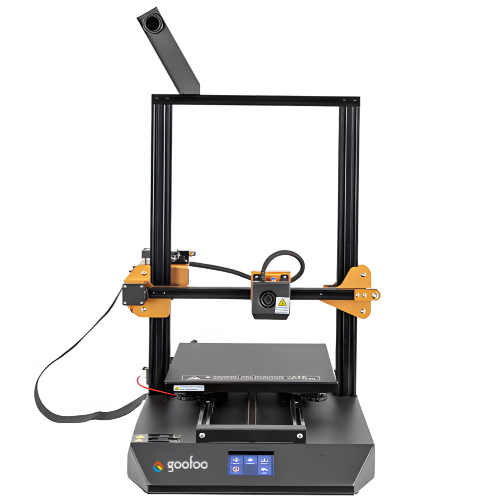
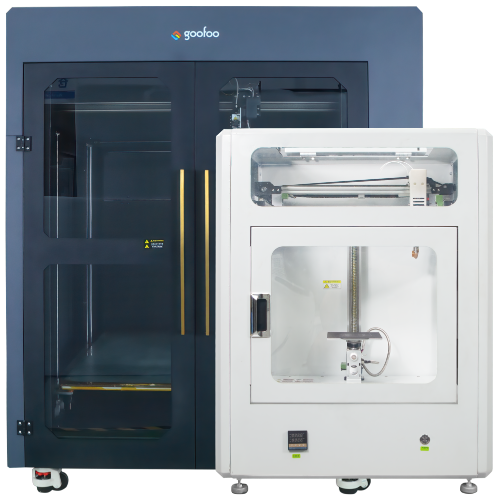

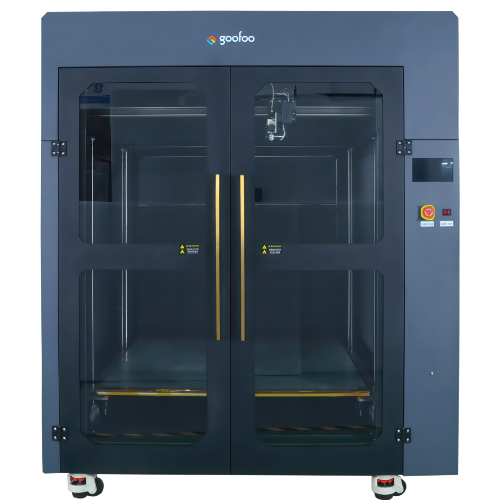
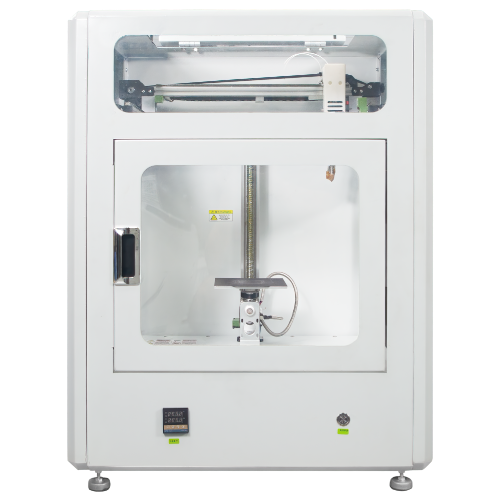
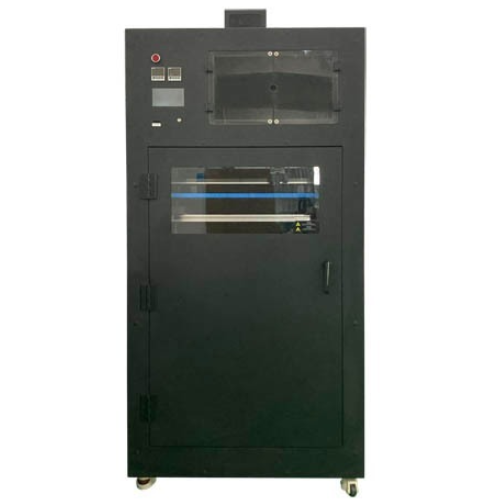
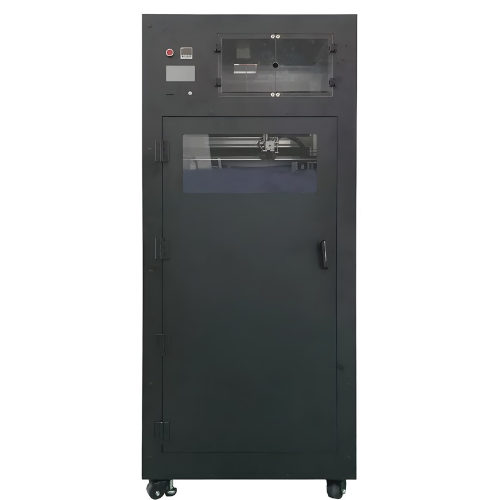
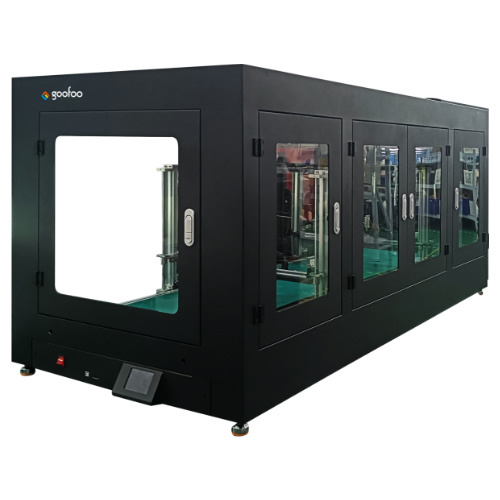
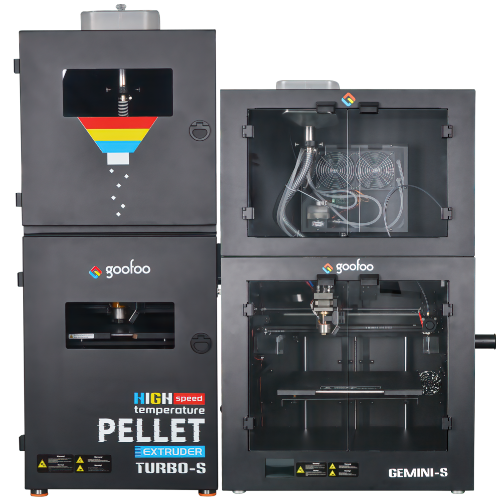

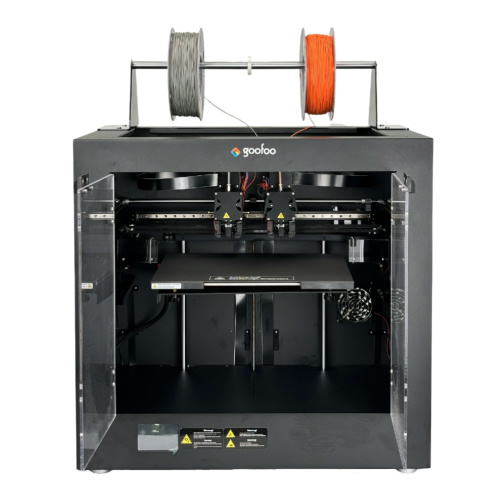













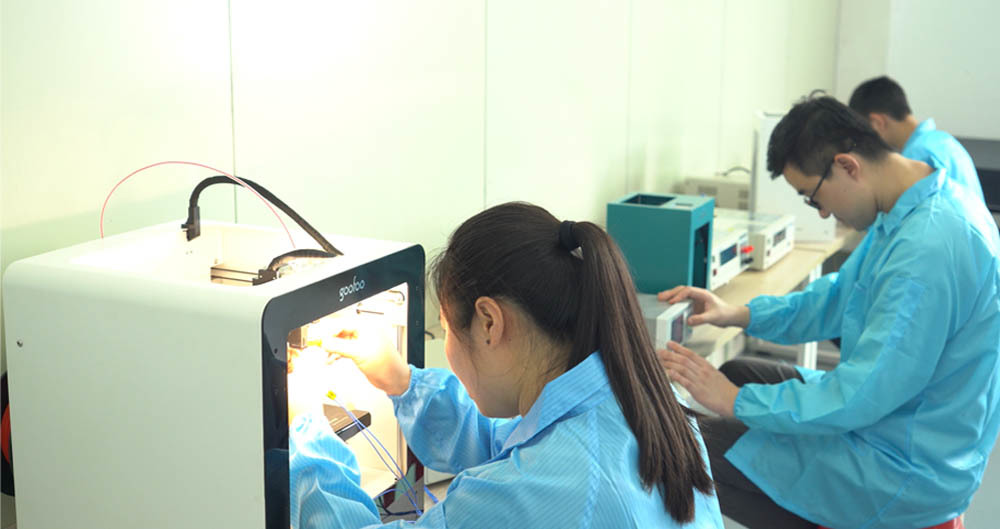




Unveiling the Magic: How a 3D Printer Works
2026-03-15 02:29

Image Source: unsplash
Introduction to 3D Printing
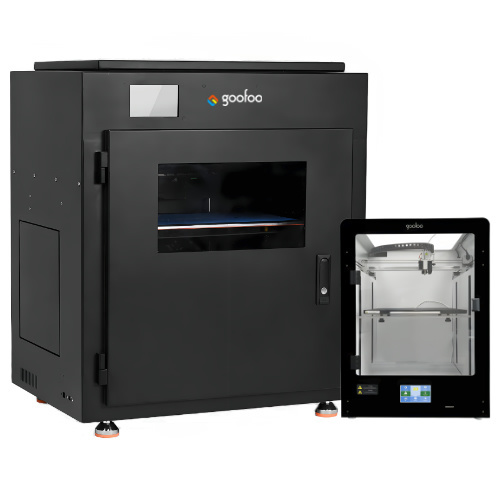
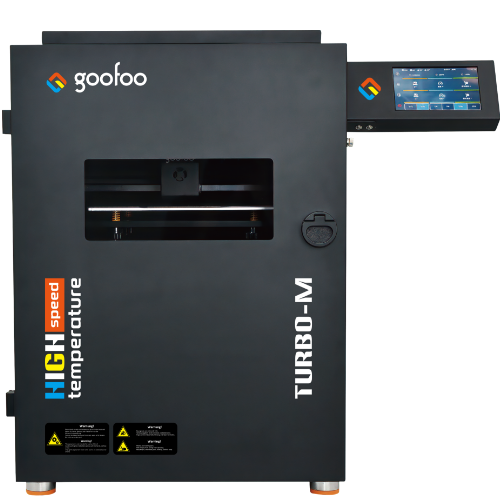
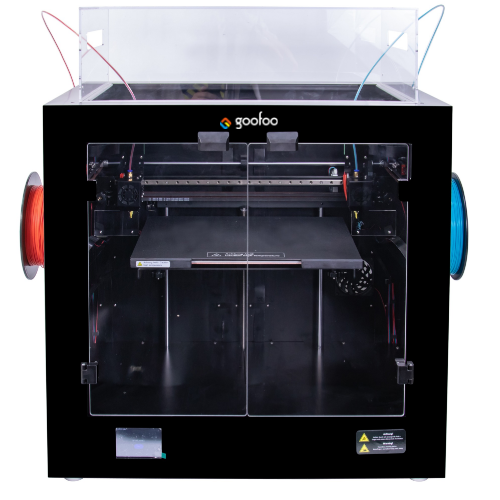
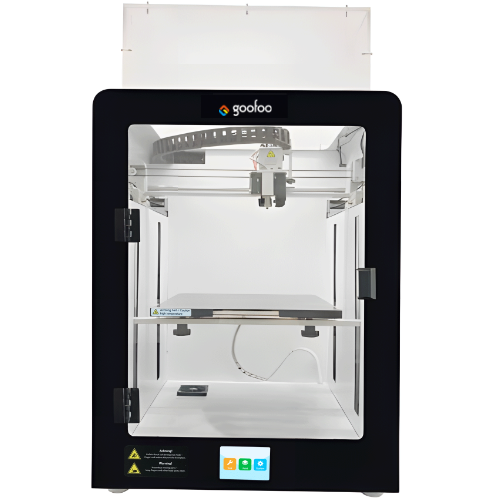
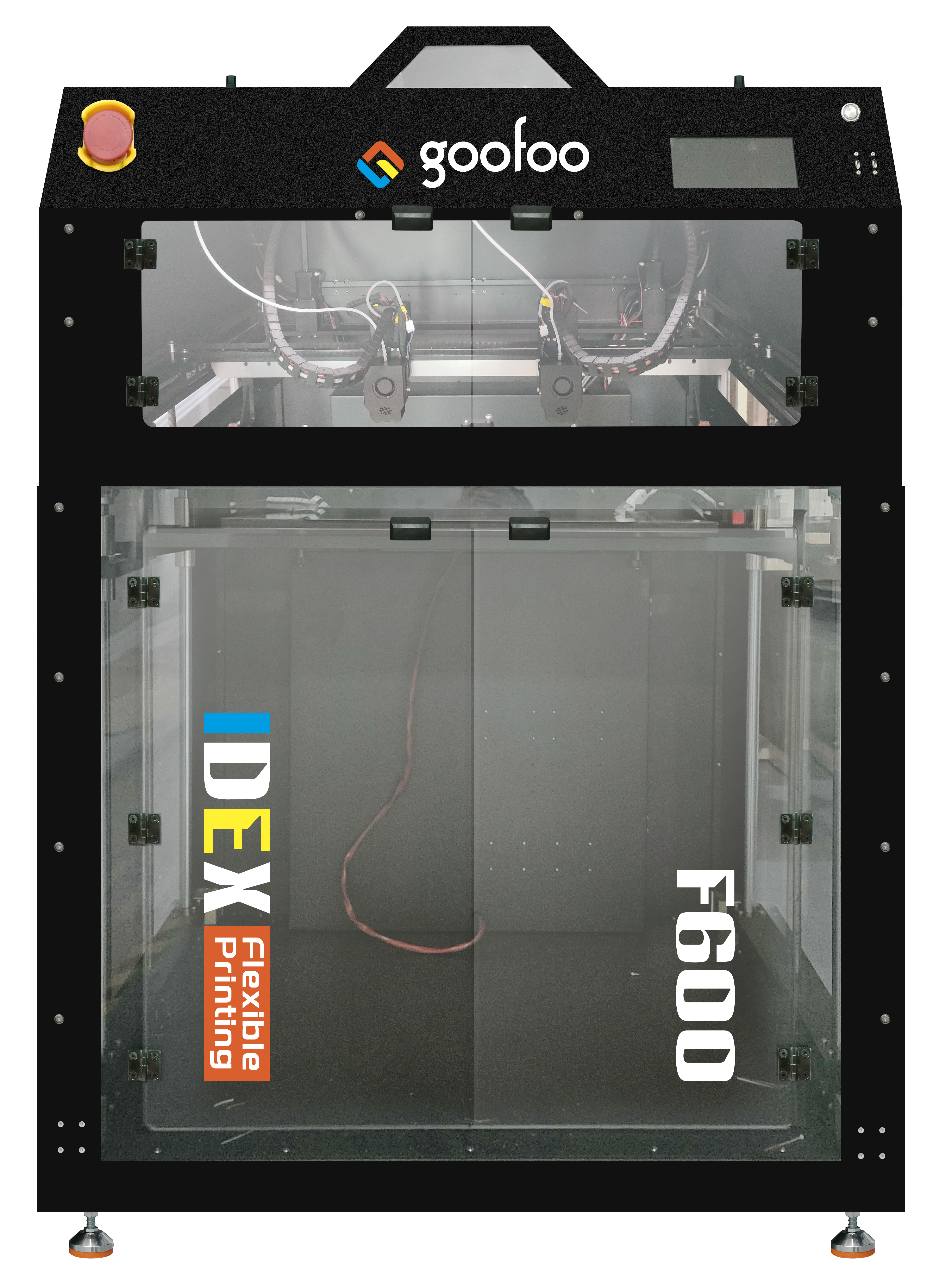
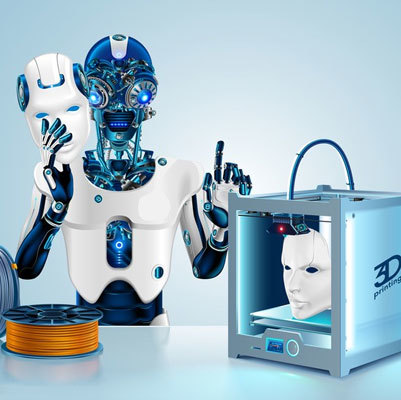
Hey there, tech enthusiasts! Have you ever wondered how a 3D printer can turn a digital design into a real-life object? It's like magic, isn't it? In this article, we'll dive into the nuts and bolts of how a 3D printer operates, making this complex technology easier to understand.
What is a 3D Printer?
Before we get into the nitty-gritty, let's clarify what a 3D printer actually is. Simply put, it's a device that creates three-dimensional objects from digital files. This process is called additive manufacturing, where layers of material are added one on top of the other until the final product is complete. Pretty cool, right?
The Basics of How It Works
Now, let's break down the process. The first step involves designing a model using computer-aided design (CAD) software. Think of it as sculpting in a digital space! Once the design is ready, it gets converted into a format that the 3D printer can understand, typically an STL file.
Slicing the Model
Here's where things get interesting. The STL file is sent to a slicer program, which slices the model into hundreds or thousands of thin horizontal layers. This is crucial, as the printer will build the object layer by layer. It's like stacking pancakes, but way more high-tech!
Printing Process
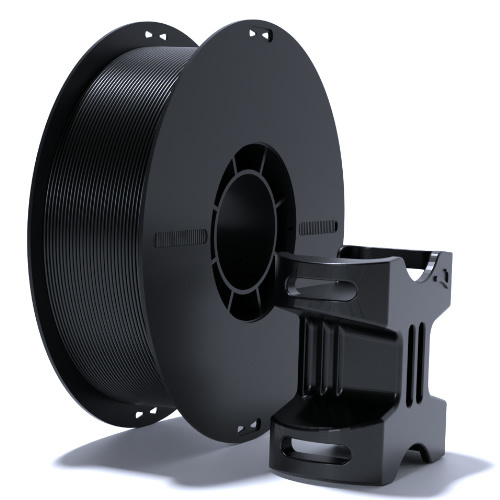
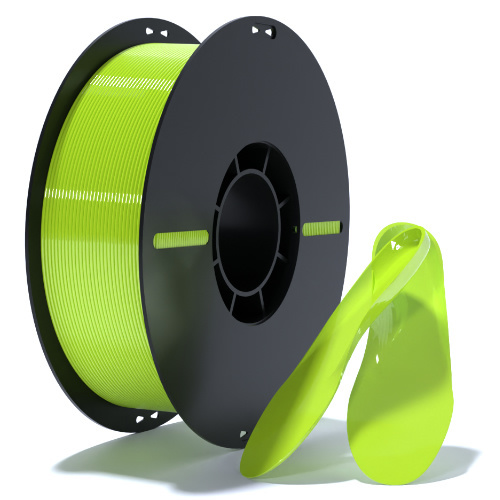
With the sliced file in hand, the printer starts its work. It heats up the material—often plastic filament—until it's soft enough to flow. The printer's nozzle then moves in a precise pattern, depositing the melted material layer by layer. And just like that, your digital creation begins to take shape!
Different Types of 3D Printing Technologies
There are various types of 3D printing technologies out there, each with its own unique twist on the process:
- Fused Deposition Modeling (FDM): The most common type, this uses thermoplastic filaments that are melted and extruded.
- Stereolithography (SLA): This method employs a laser to cure liquid resin into solid layers.
- Selective Laser Sintering (SLS): Here, a laser sinters powdered material into solid structures.
Applications of 3D Printing
From hobbyists to professionals, 3D printing has found its way into numerous fields:
- Prototyping: Designers can create quick prototypes to test their ideas.
- Medical: Custom prosthetics and implants can be manufactured to fit individual patients.
- Aerospace: Parts that are lightweight yet strong can be produced, enhancing performance.
Challenges and Future of 3D Printing
That said, there are challenges to overcome. Material limitations, print speed, and the cost of high-end printers can be a bit of a hurdle. But don't count this technology out! With advancements happening every day, the future of 3D printing looks bright. Imagine homes being built using a 3D printer or even food being printed right in your kitchen!
Conclusion
So, there you have it! A sneak peek into the workings of a 3D printer. Whether you're looking to create art, prototypes, or functional items, this technology opens up a world of possibilities. Who knows? Maybe your next big idea will be brought to life with a 3D printer!
3d printer
Recommended News
 Esperanto
 Shqiptare
 Euskara
 Zulu
Zulu
 Latinus
 Cymraeg
 தமிழ்
தமிழ்
 Slovak
 Slovak
 Afrikaans
Join us
Subscribe to get the latest news


Skype / WhatsApp: +86 592-5713513 / +86-13860126490
No.88-3, North Tongji Road, Xike County, Tong'an District, Xiamen, Fujian China
Xiamen Goofoo Technology Co., Ltd. All Rights Reserved 闽ICP备2022008070号-1 SEO 300.cn
Phone:+0086 592-5713513
Address: No.88-3, North Tongji Road, Xike County, Tong’an District, Xiamen, Fujian China
Email: sales@goofoo3d.com
We will give you feedback in time