
- Shop Shop
-
Desktop
Desktop
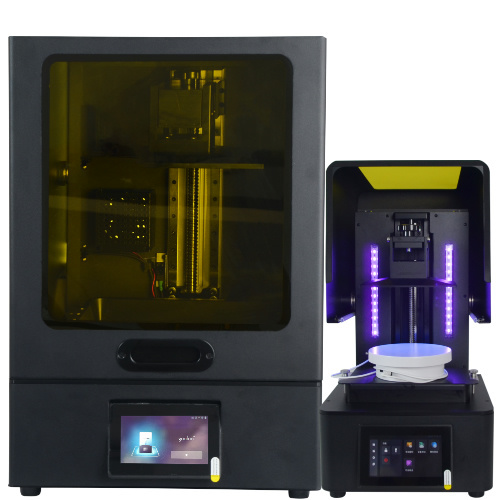
MSLA series
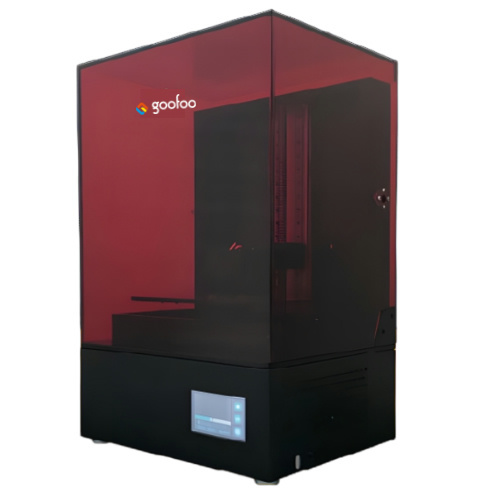
High accuracy Lens-s pro
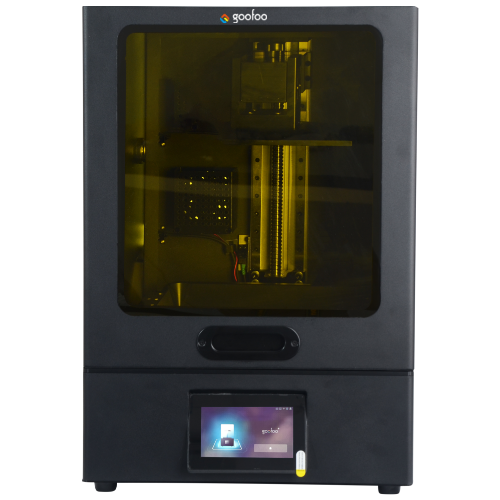
Large build volume Lens-m pro
- Industrial Industrial
-
Material
Material

Resin series

Dental DM100/TC100/ etc.

Jewelry Jewelry Resin

Generic PW100

Industry High Temp Resin

Garage Kit Red wax
-
Expanded
Expanded
Laser Engraver/CNC
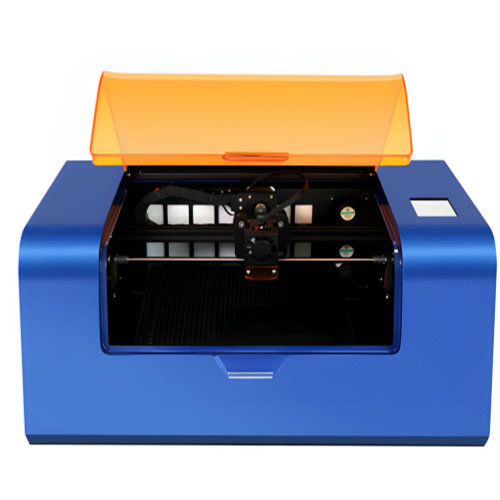
TS3(class1) Laser engraver & cutter 200*300mm
Pixi(class1) Laser engraver & cutter 100*100mm
3D scanner
Mole Highest accuracy 0.05mm
- Industries & Applications Industries & Applications
- Support Support
- About Us About Us
- Contact Us Contact Us


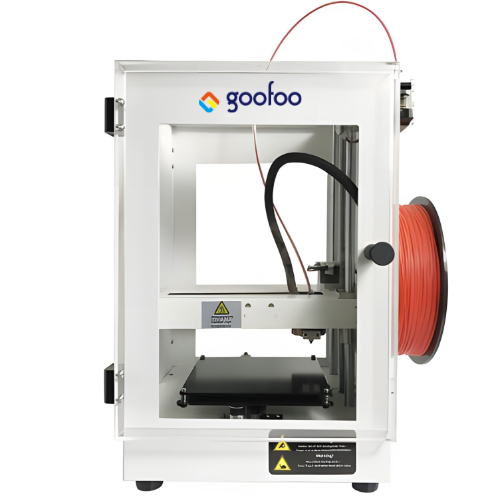
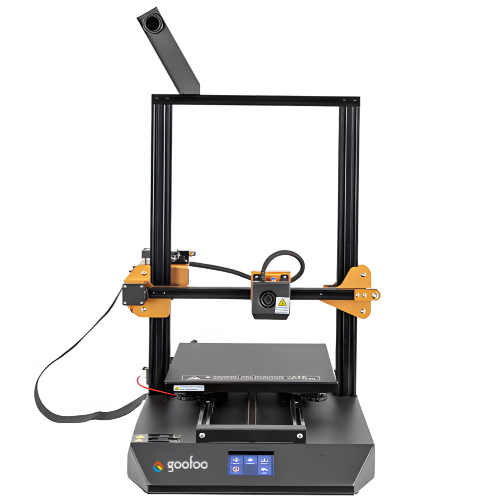
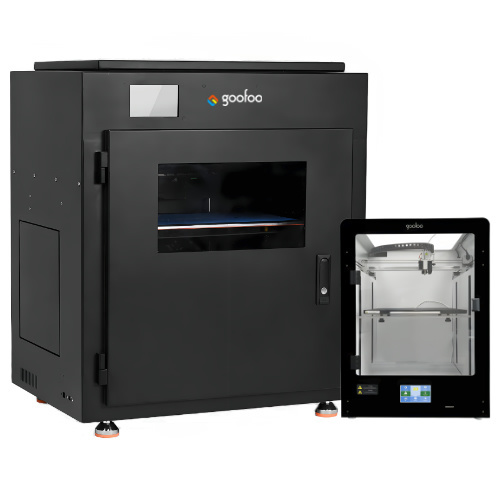
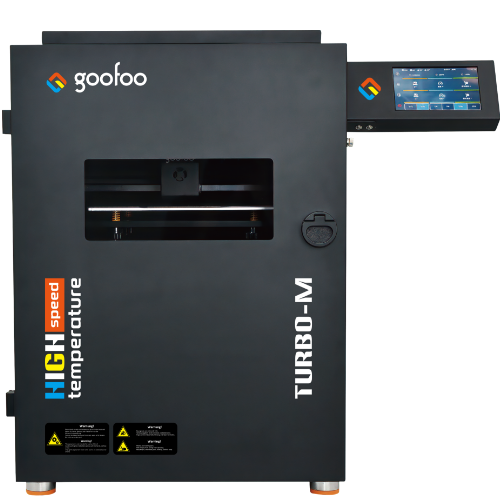
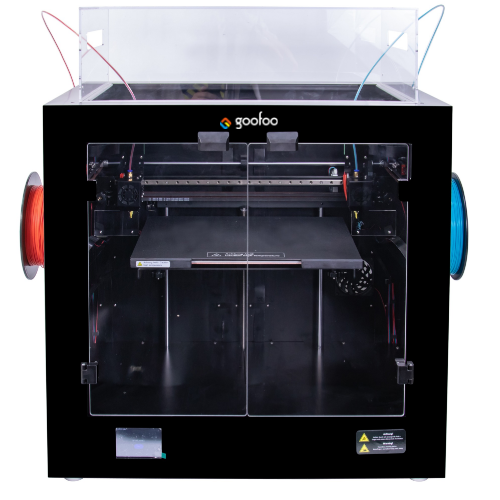
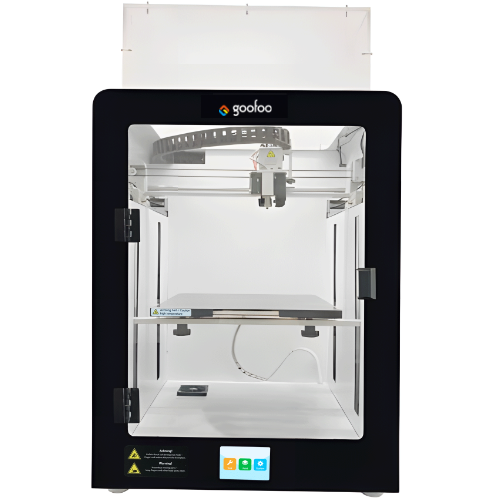
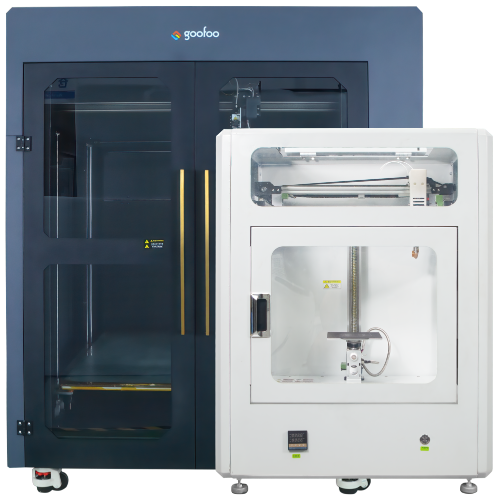
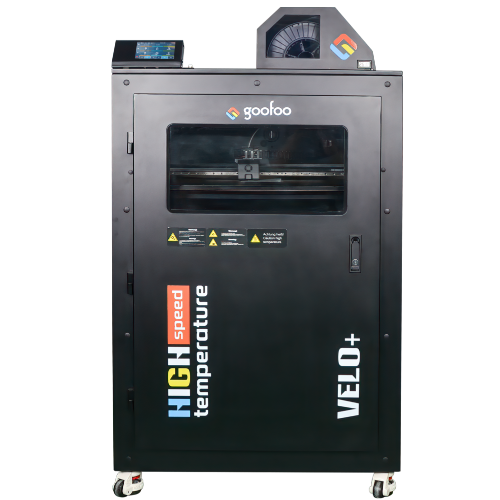
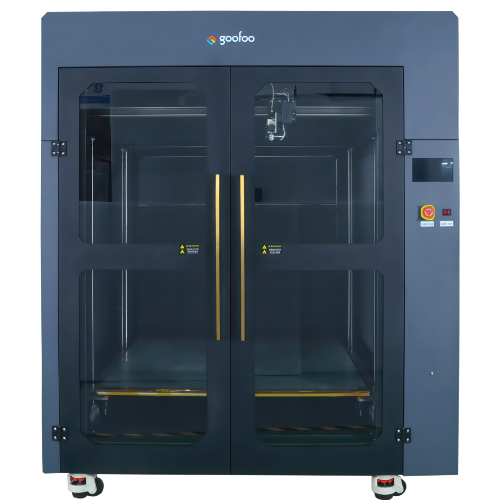
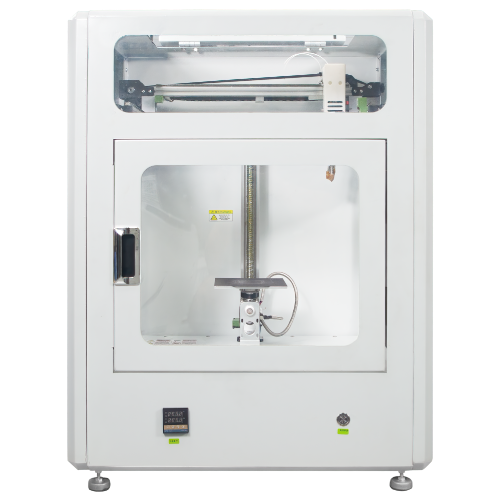
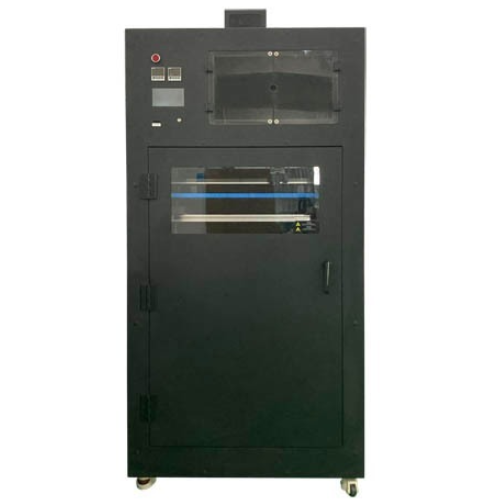
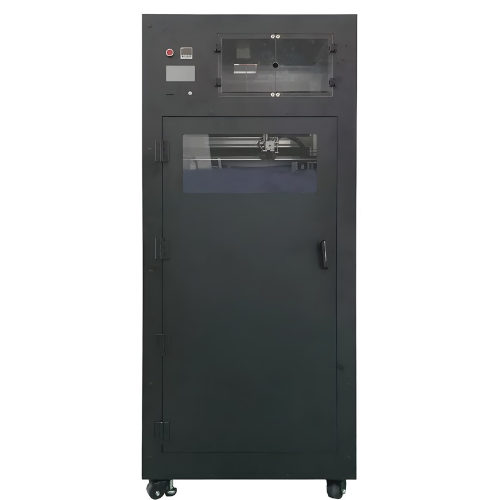
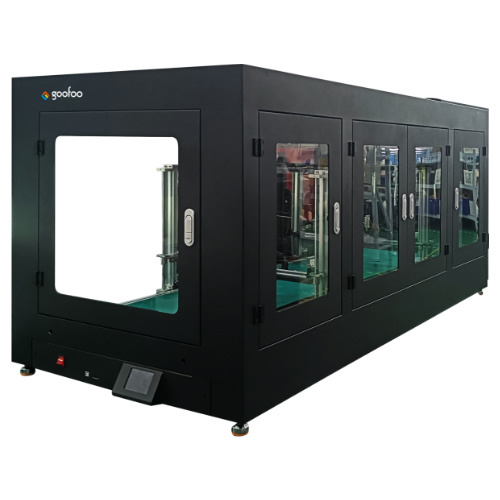
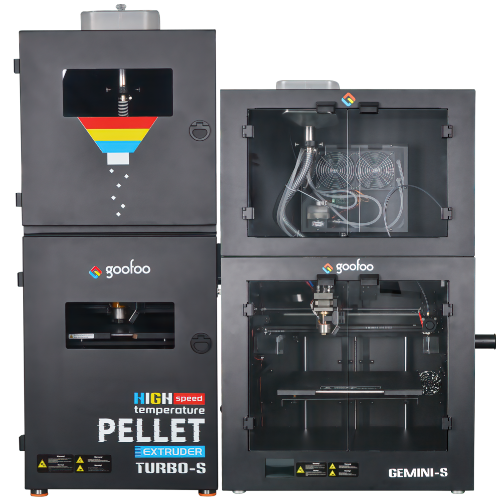
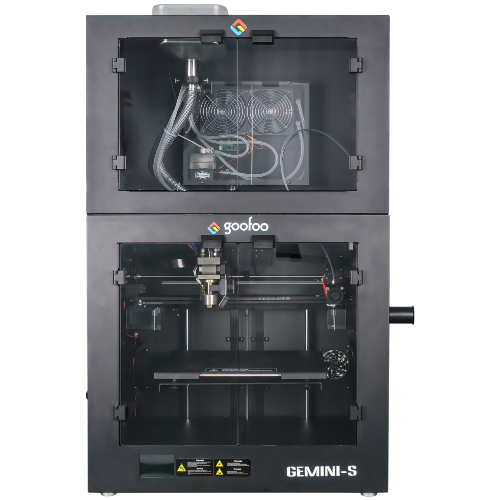
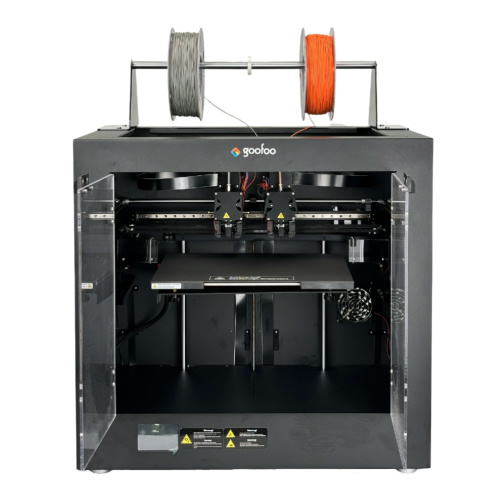













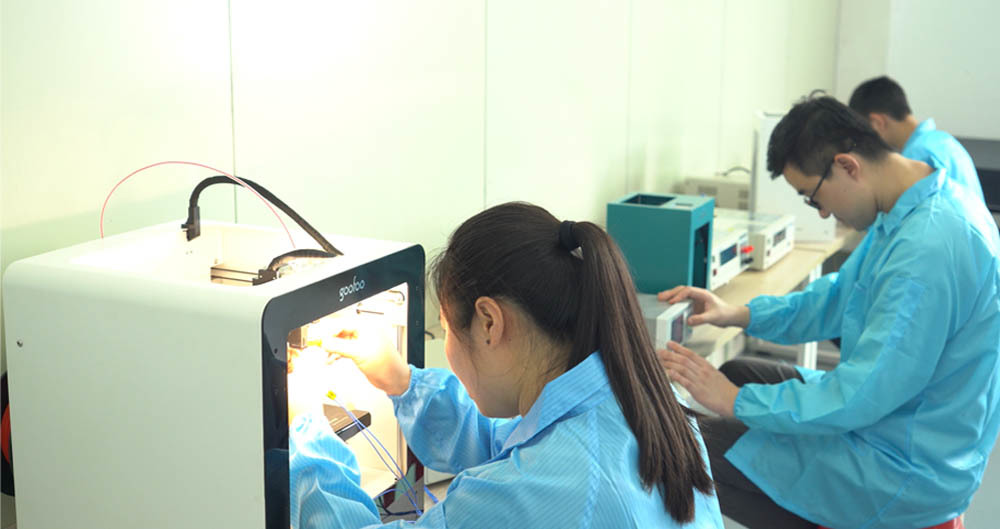




Unlocking the Future: A Comprehensive Guide to 3D Printing with Metal
2024-09-13 09:00
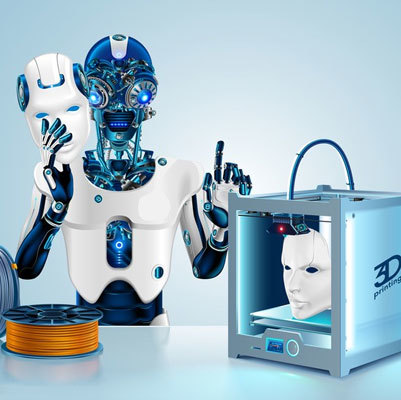
3D printing has revolutionized the manufacturing landscape, and one of the most exciting developments in this field is the ability to print with metal. Metal 3D printers employ advanced technologies to create complex metal parts and components that are often unattainable through traditional manufacturing methods. This innovation is not only enhancing production efficiency but also transforming industries such as aerospace, automotive, and medicine.
At the core of metal 3D printing are various technologies, including Direct Metal Laser Sintering (DMLS), Selective Laser Melting (SLM), and Electron Beam Melting (EBM). DMLS and SLM use high-powered lasers to fuse metal powders layer by layer, creating intricate designs with remarkable precision. EBM, on the other hand, utilizes an electron beam in a vacuum environment, making it suitable for printing high-performance materials. Each method has its own unique strengths and is chosen based on the specific needs of the project.
One of the primary advantages of using a 3D printer for metal is the ability to produce highly customized parts. Traditional machining often limits design possibilities due to the constraints of tooling and material removal processes. However, with metal 3D printing, complex geometries, lattice structures, and weight-saving designs can be efficiently manufactured. This capability is particularly beneficial in industries that demand lightweight yet durable components, such as aerospace, where reducing weight can lead to significant fuel savings.
Another key benefit of metal 3D printing is the reduction in material waste. Conventional subtractive manufacturing techniques often result in a large amount of scrap material, whereas additive manufacturing builds parts layer by layer, using only the necessary amount of material. This not only minimizes waste but can also lead to cost savings over time, making it an attractive option for businesses looking to improve their sustainability practices.
In terms of applications, metal 3D printing is versatile. It is commonly used for creating prototypes, tooling, and end-use parts. In the medical field, for instance, customized implants and instruments can be produced to fit the specific anatomy of patients. In aerospace, parts that were once impossible to manufacture can now be created with improved performance characteristics.
While the technology holds immense potential, it is essential to understand the materials involved. Common metals used in 3D printing include titanium, aluminum, stainless steel, and cobalt-chromium alloys. Each material has its unique properties, making them suitable for different applications.
In conclusion, metal 3D printing is paving the way for innovative solutions across various industries. By offering unparalleled design flexibility, material efficiency, and customization, it stands as a testament to the advancements in manufacturing technology. As you explore the possibilities of using a 3D printer for metal, consider how it can transform your projects and drive success in your endeavors.
3d printer for metal
Recommended News
 Esperanto
 Shqiptare
 Euskara
 Zulu
Zulu
 Latinus
 Cymraeg
 தமிழ்
தமிழ்
 Slovak
 Slovak
 Afrikaans
Join us
Subscribe to get the latest news


Skype / WhatsApp: +86 592-5713513 / +86-13860126490
No.88-3, North Tongji Road, Xike County, Tong'an District, Xiamen, Fujian China
Xiamen Goofoo Technology Co., Ltd. All Rights Reserved 闽ICP备2022008070号-1 SEO 300.cn
Phone:+0086 592-5713513
Address: No.88-3, North Tongji Road, Xike County, Tong’an District, Xiamen, Fujian China
Email: sales@goofoo3d.com
We will give you feedback in time