
- Shop Shop
-
Desktop
Desktop
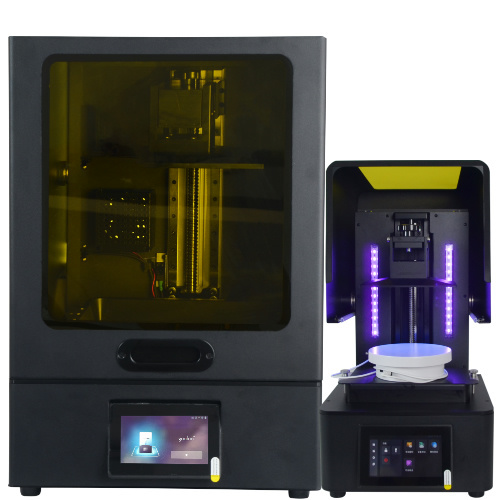
MSLA series
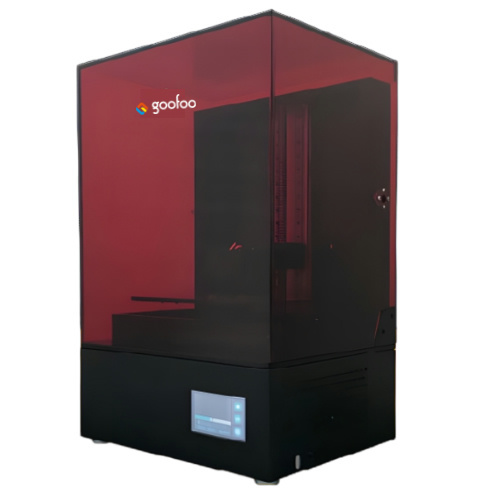
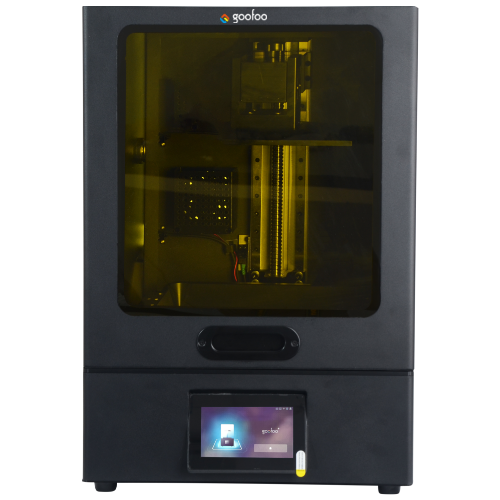
High accuracy Lens-s pro
Large build volume Lens-m pro
- Industrial Industrial
-
Material
Material

Resin series

Dental DM100/TC100/ etc.

Jewelry Jewelry Resin

Generic PW100

Industry High Temp Resin

Garage Kit Red wax
-
Expanded
Expanded
Laser Engraver/CNC
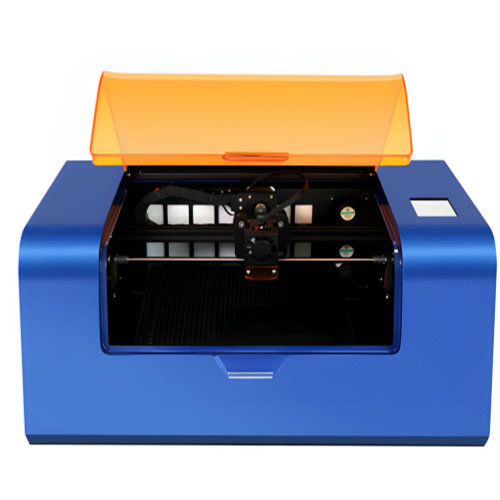
TS3(class1) Laser engraver & cutter 200*300mm
Pixi(class1) Laser engraver & cutter 100*100mm
3D scanner
Mole Highest accuracy 0.05mm
- Industries & Applications Industries & Applications
- Support Support
- About Us About Us
- Contact Us Contact Us


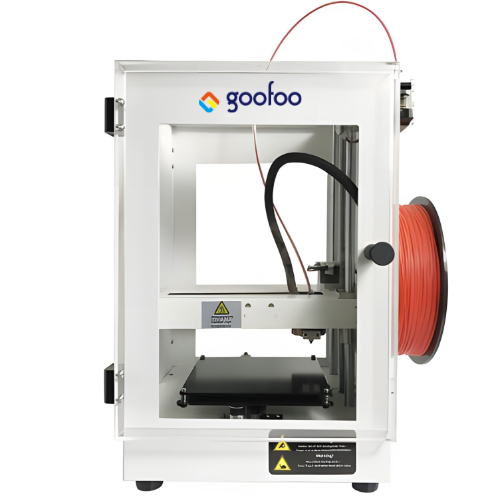
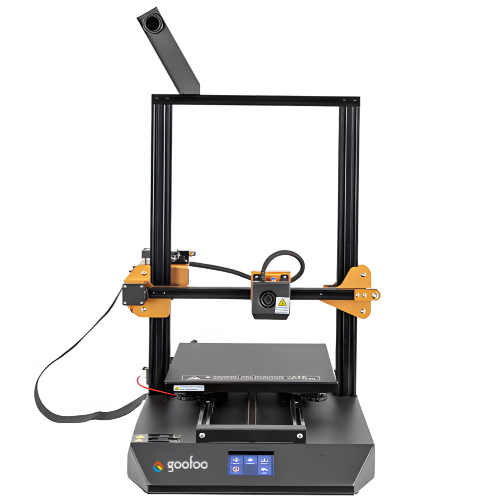
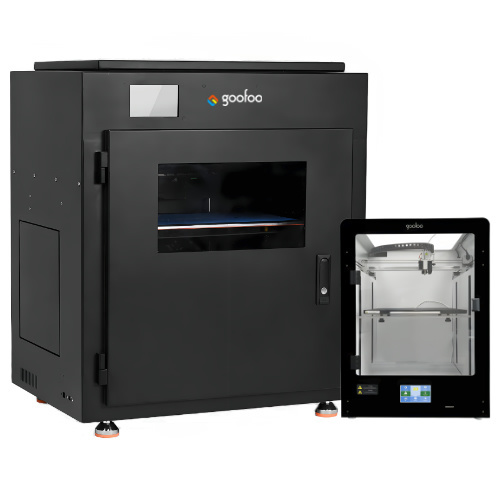
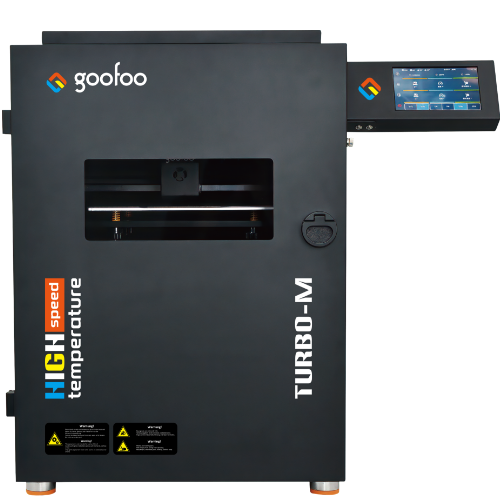
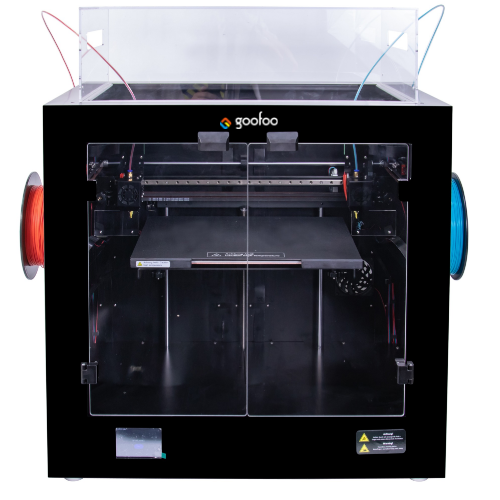
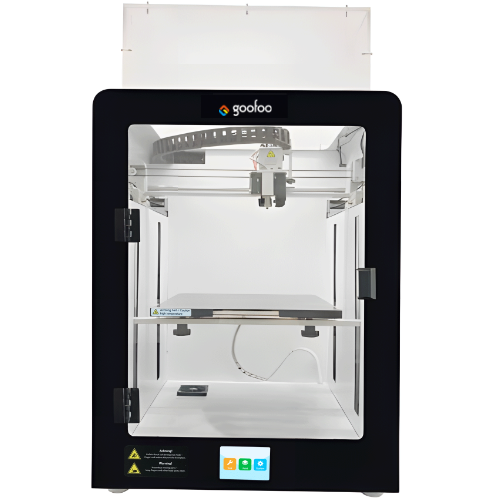
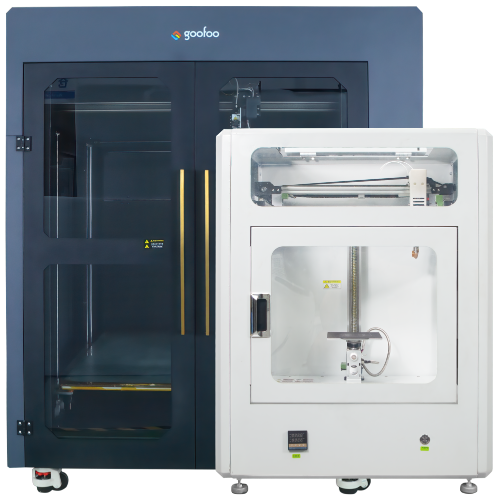
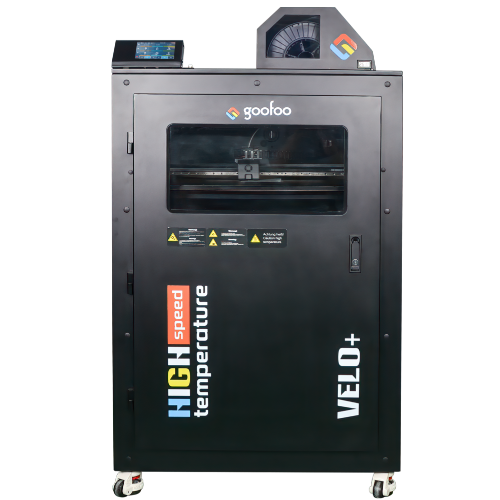
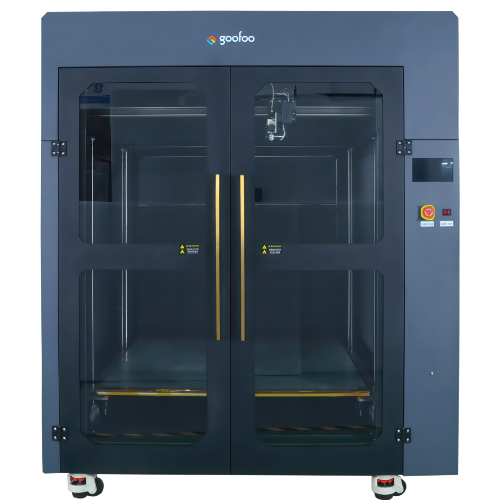
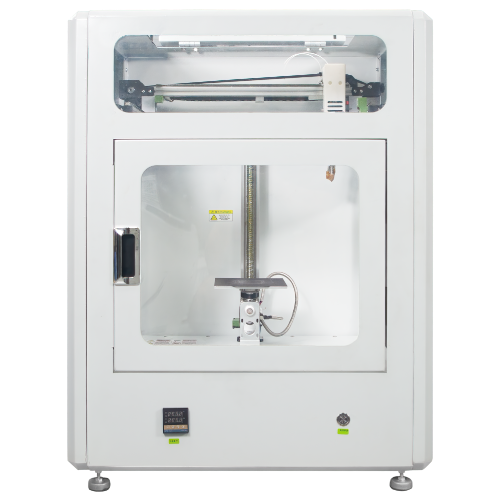
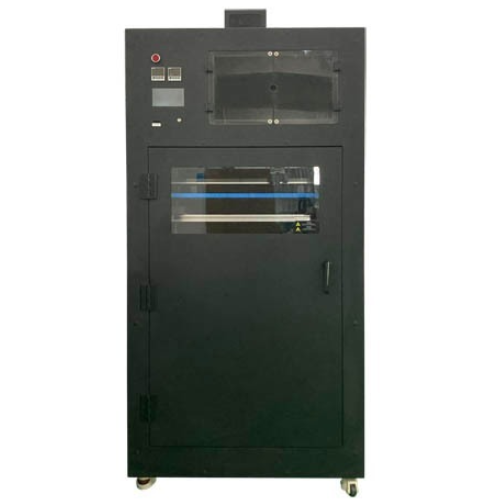
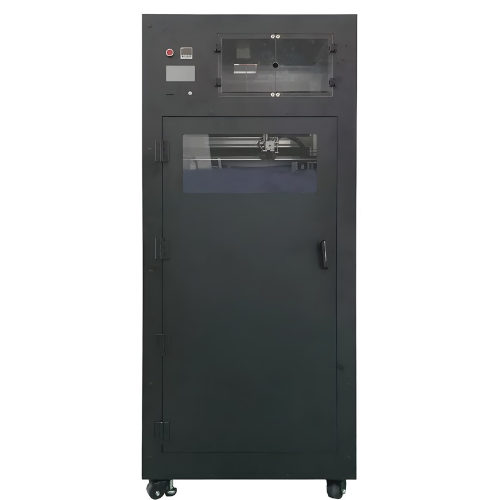
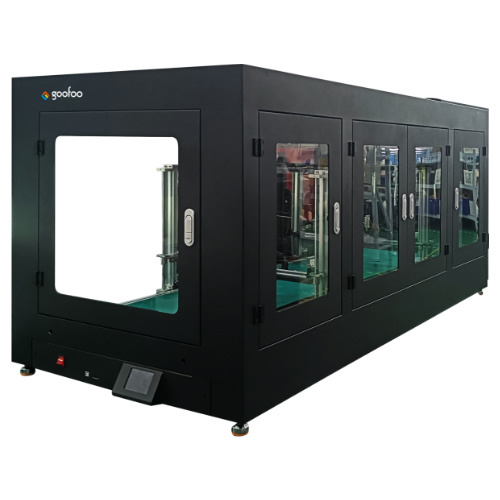
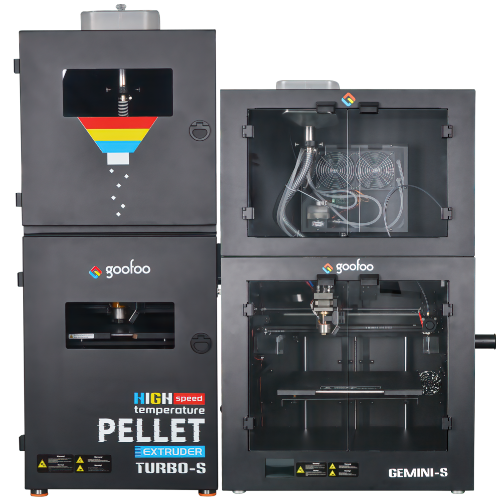
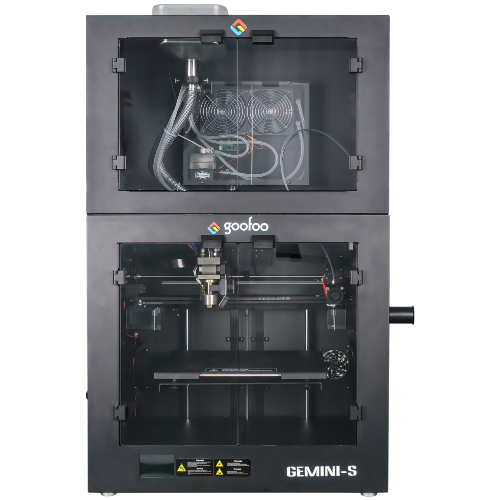
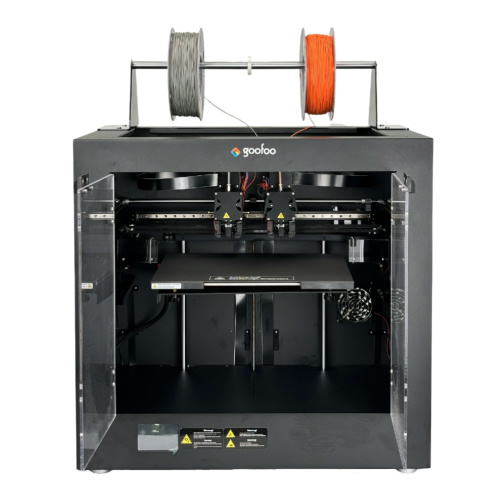













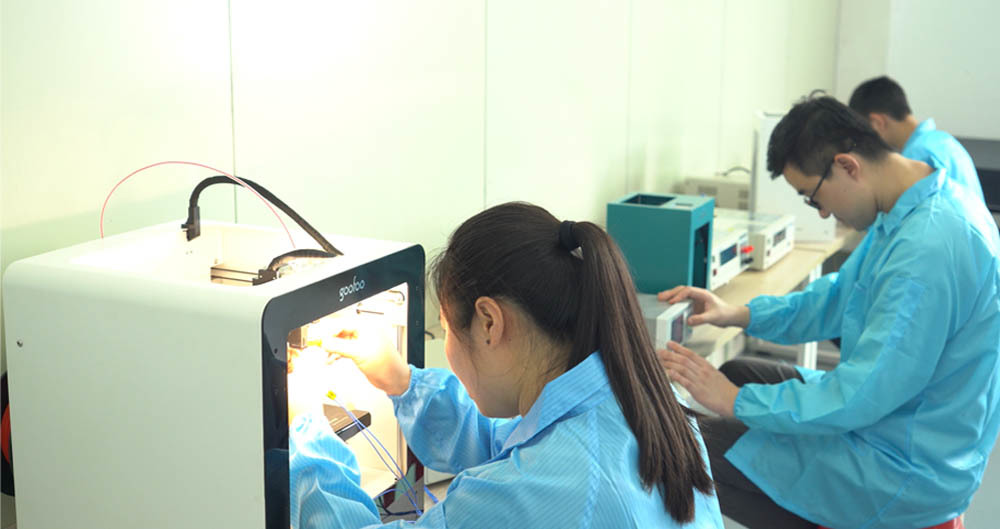




Discovering the Limitless Possibilities of 3D Printing in Modern Industry
2025-10-19 11:30
Discovering the Limitless Possibilities of 3D Printing in Modern Industry
Table of Contents
- 1. Introduction to 3D Printing Technology
- 2. A Brief History of 3D Printing
- 3. How 3D Printing Works: A Step-by-Step Guide
- 4. Applications of 3D Printing in Various Industries
- 4.1 3D Printing in Manufacturing
- 4.2 3D Printing in Healthcare
- 4.3 3D Printing in Aerospace
- 4.4 3D Printing in Automotive
- 5. The Advantages of 3D Printing
- 6. Challenges Facing 3D Printing Technology
- 7. The Future of 3D Printing in Industry
- 8. Conclusion
- 9. Frequently Asked Questions
1. Introduction to 3D Printing Technology
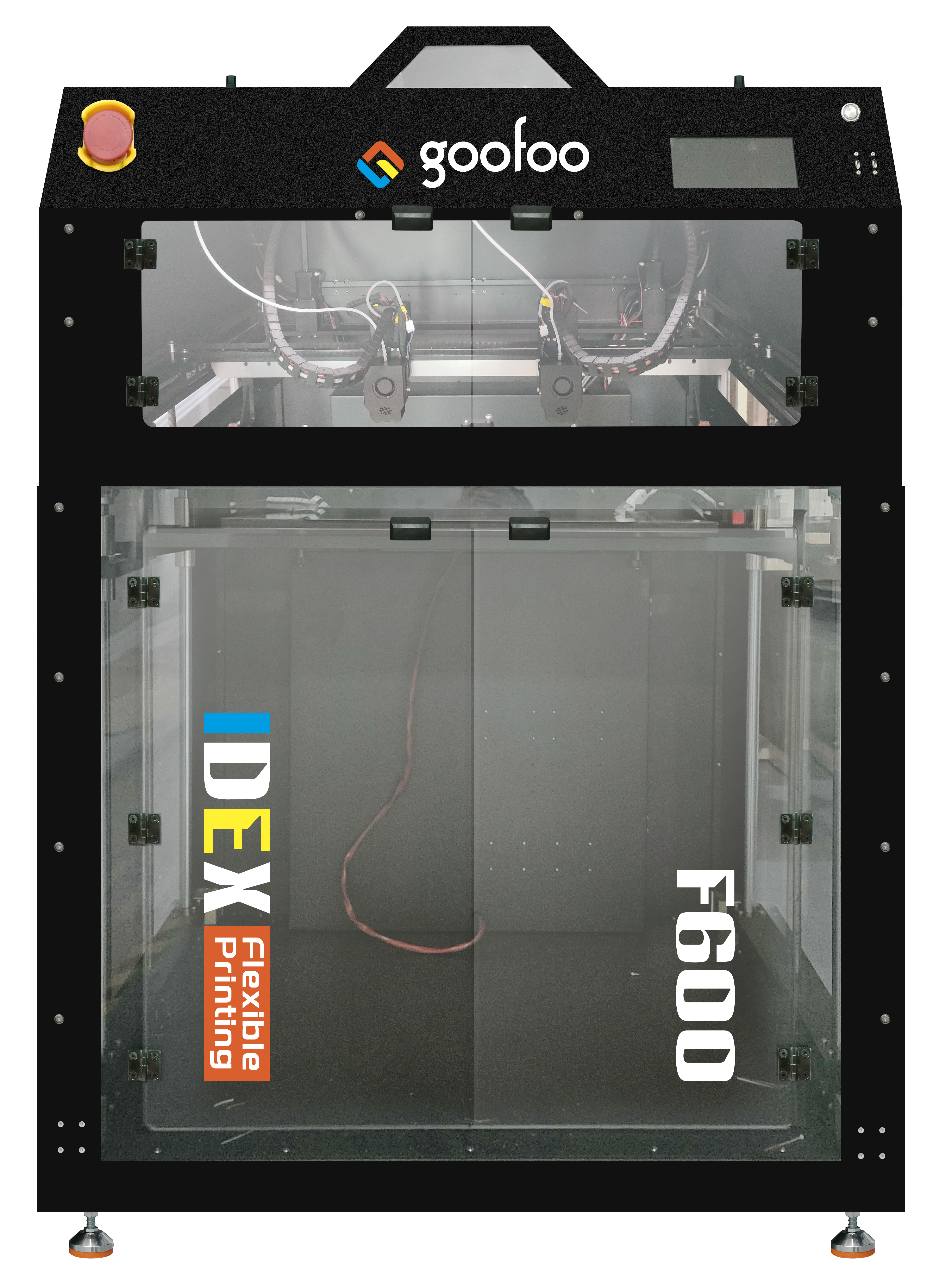
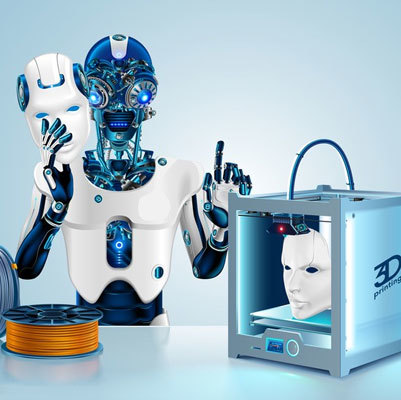
3D printing, also known as additive manufacturing, is a revolutionary technology that fabricates three-dimensional objects from a digital file. By layering materials, 3D printers can create intricate designs and prototypes, transforming how industries approach manufacturing and product development. The ability to produce customized items on demand has made 3D printing an essential tool in various sectors, leading to increased efficiency, reduced waste, and improved design flexibility.
2. A Brief History of 3D Printing
The concept of 3D printing dates back to the early 1980s when Dr. Chuck Hull invented stereolithography, the first 3D printing technology. Since then, the industry has evolved significantly, introducing techniques like fused deposition modeling (FDM), selective laser sintering (SLS), and digital light processing (DLP). Each innovation has further expanded the capabilities of 3D printers, making them more accessible and versatile for different applications.
3. How 3D Printing Works: A Step-by-Step Guide
Understanding how 3D printing operates involves familiarizing ourselves with its core components and processes:
3.1. Designing the Model
The process begins with a digital model, typically created using computer-aided design (CAD) software. Designers can craft intricate shapes and structures, allowing for unparalleled customization.
3.2. Slicing the Model
Once the design is complete, it’s sliced into thin horizontal layers using slicing software. This step translates the 3D model into instructions for the printer, detailing how to build the object layer by layer.
3.3. Printing Process
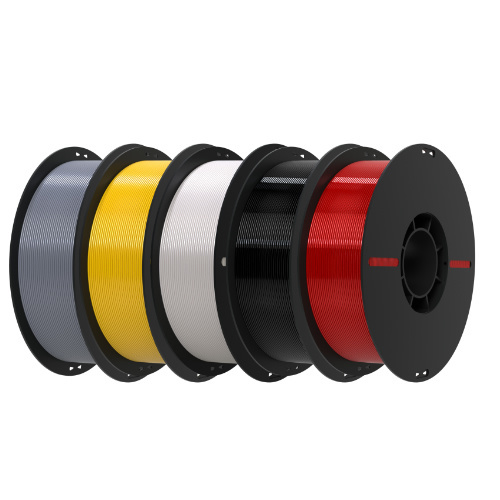
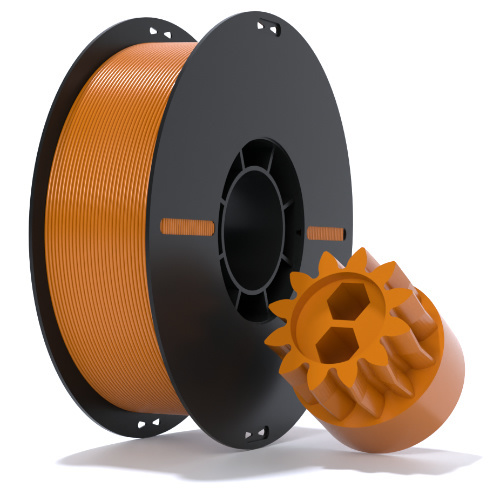
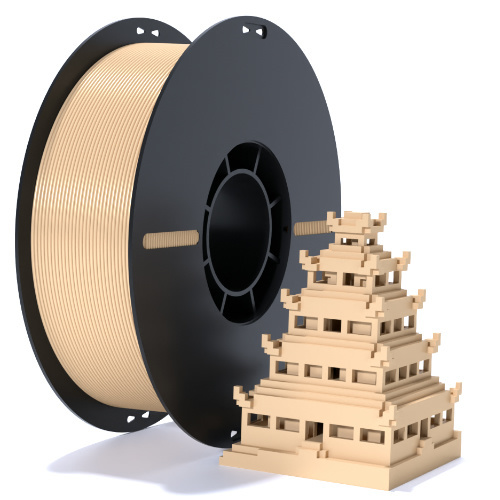
The printer begins laying down materials, such as thermoplastics, metals, or resins, based on the sliced design. This additive process continues until the entire object is formed.
3.4. Post-Processing
After printing, the object often requires post-processing to achieve the desired finish. This may involve cleaning, curing, or applying additional coatings.
4. Applications of 3D Printing in Various Industries
3D printing is not limited to one specific field; it has diverse applications across multiple sectors. Here, we explore how different industries leverage this technology to enhance their operations.
4.1 3D Printing in Manufacturing
In the manufacturing sector, 3D printing streamlines production by enabling rapid prototyping and the manufacturing of complex parts. This flexibility reduces lead times and costs, allowing companies to respond swiftly to market demands.
4.2 3D Printing in Healthcare
The healthcare industry has embraced 3D printing to create patient-specific implants, prosthetics, and even bioprinted tissues. This customization improves patient outcomes and revolutionizes surgical planning.
4.3 3D Printing in Aerospace
Aerospace companies utilize 3D printing to produce lightweight components that enhance fuel efficiency. The ability to manufacture complex geometries reduces weight while maintaining structural integrity, making it a game-changer in the industry.
4.4 3D Printing in Automotive
Automotive manufacturers employ 3D printing for everything from prototyping parts to producing end-use components. This technology accelerates design iterations and fosters innovation in vehicle design and manufacturing processes.
5. The Advantages of 3D Printing
The advantages of 3D printing are numerous, making it an attractive option for businesses looking to innovate:
5.1. Customization
3D printing allows for unparalleled customization, enabling businesses to create tailored products that meet specific customer needs.
5.2. Reduced Waste
Additive manufacturing minimizes material waste compared to traditional subtractive manufacturing methods, contributing to sustainability efforts.
5.3. Cost-Effectiveness
By reducing the need for multiple tooling and manufacturing steps, 3D printing can lead to significant cost savings over time.
5.4. Rapid Prototyping
The speed at which prototypes can be produced allows companies to test designs quickly, facilitating faster time-to-market.
5.5. Design Freedom
3D printing enables the creation of complex geometries that traditional manufacturing methods cannot achieve, unlocking new design possibilities.
6. Challenges Facing 3D Printing Technology
Despite its advantages, 3D printing faces several challenges that need addressing:
6.1. Material Limitations
While the range of materials for 3D printing is expanding, certain applications still face limitations in material properties and suitability.
6.2. Regulatory Hurdles
Industries such as healthcare and aerospace face stringent regulatory requirements, making it challenging to implement 3D printing without extensive validation.
6.3. Scalability Issues
Scaling production while maintaining quality can be a challenge, particularly for companies looking to move from prototyping to mass production.
7. The Future of 3D Printing in Industry
The future of 3D printing holds incredible promise. Advancements in technology are paving the way for even greater applications. Innovations like multi-material printing, bio-printing, and the integration of artificial intelligence are expected to enhance capabilities further. As the technology matures, we can anticipate a broader adoption across industries, transforming how products are designed and manufactured.
8. Conclusion
In conclusion, 3D printing represents a pivotal shift in modern manufacturing and design. Its ability to combine customization, efficiency, and sustainability makes it a valuable asset across various industries. As technology progresses, we can expect to see even more innovative applications emerge. Embracing 3D printing is not just about keeping up with trends; it is about harnessing the power of innovation to drive future growth and success in an increasingly competitive landscape.
9. Frequently Asked Questions
1. What is 3D printing?
3D printing is an additive manufacturing process that creates three-dimensional objects from a digital file by layering materials.
2. How does 3D printing work?
The process involves designing a model using CAD software, slicing it into layers, and then printing it layer by layer with various materials.
3. What industries use 3D printing?
3D printing is used in many industries, including manufacturing, healthcare, aerospace, and automotive.
4. What are the benefits of 3D printing?
Benefits include customization, reduced waste, cost-effectiveness, rapid prototyping, and design freedom.
5. What challenges does 3D printing face?
Challenges include material limitations, regulatory hurdles, and scalability issues for mass production.
By understanding the limitless possibilities that 3D printing offers, industries can harness this transformative technology to innovate and excel in their respective fields.
3d printer
Recommended News
 Esperanto
 Shqiptare
 Euskara
 Zulu
Zulu
 Latinus
 Cymraeg
 தமிழ்
தமிழ்
 Slovak
 Slovak
 Afrikaans
Join us
Subscribe to get the latest news


Skype / WhatsApp: +86 592-5713513 / +86-13860126490
No.88-3, North Tongji Road, Xike County, Tong'an District, Xiamen, Fujian China
Xiamen Goofoo Technology Co., Ltd. All Rights Reserved 闽ICP备2022008070号-1 SEO 300.cn
Phone:+0086 592-5713513
Address: No.88-3, North Tongji Road, Xike County, Tong’an District, Xiamen, Fujian China
Email: sales@goofoo3d.com
We will give you feedback in time