
- Shop Shop
-
Desktop
Desktop
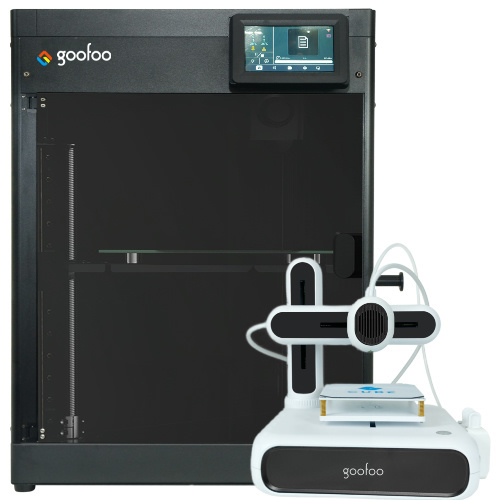
FDM / FGF

High speed GP1

colorful GP4/GP4-C

Kids Cube/3D Pen
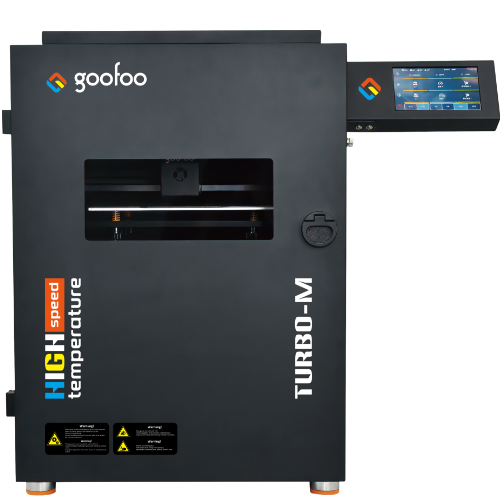
High speed&temp Turbo-m
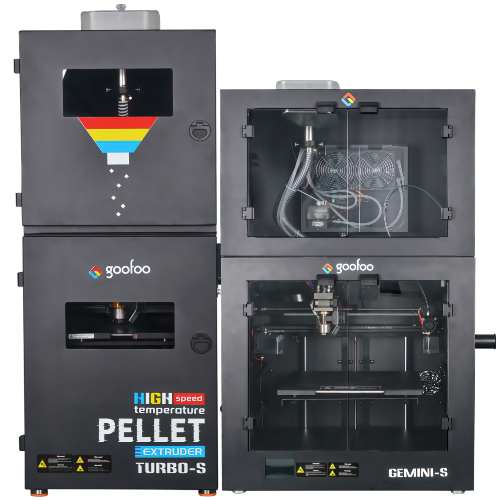
Pellet Gemini-s/Turbo-s
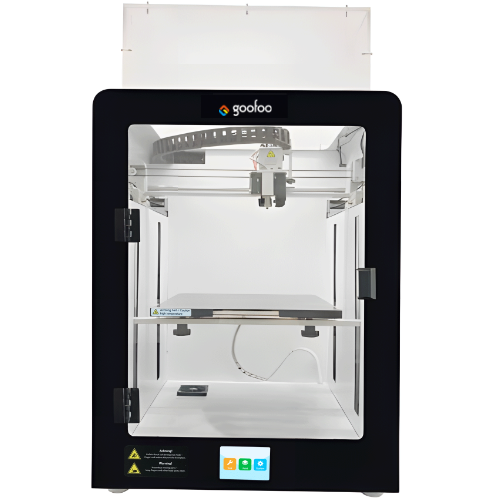
Classic+ Mido/Nova/Plus
- Industrial Industrial
-
Material
Material

Resin series

Dental DM100/TC100/ etc.

Jewelry Jewelry Resin

Generic PW100

Industry High Temp Resin

Garage Kit Red wax
-
Expanded
Expanded
Laser/CNC/3D scanner

TS4030(class1) Laser engraver & cutter 400*300mm

Pixi(class1) Laser engraver & cutter 100*100mm

Mole Highest accuracy 0.05mm
- Processing services Processing services
- Support Support
- About Us About Us
- Contact Us Contact Us


















Unleashing the Future of 3D Printing Materials: Innovations and Trends
2024-10-18 09:00
Unleashing the Future of 3D Printing Materials
Table of Contents
- 1. Introduction to 3D Printing Materials
- 2. Types of 3D Printing Materials
- 2.1 Plastics: The Most Common Materials
- 2.2 Metal Materials: Strength and Durability
- 2.3 Ceramics: Aesthetic and Functional Qualities
- 2.4 Composite Materials: The Best of Both Worlds
- 3. Emerging Trends in 3D Printing Materials
- 3.1 Biomaterials: The Future of Medical Applications
- 3.2 Sustainable Materials: Eco-Friendly Innovations
- 3.3 Smart Materials: The Next Frontier
- 4. Applications of 3D Printing Materials
- 4.1 Aerospace Industry: Redefining Manufacturing
- 4.2 Automotive Sector: Customization and Efficiency
- 4.3 Healthcare Innovations: Revolutionizing Patient Care
- 5. The Future of 3D Printing Materials
- 6. Challenges in Developing New 3D Printing Materials
- 7. Conclusion
- 8. Frequently Asked Questions (FAQs)
1. Introduction to 3D Printing Materials
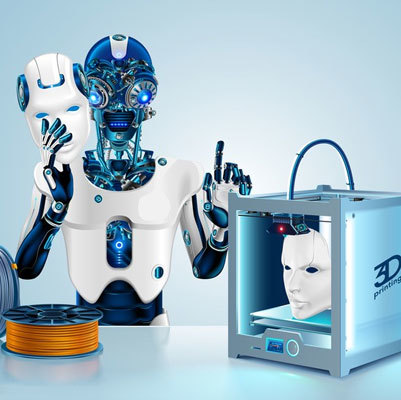
The rise of **3D printing** has ushered in a new era of creativity and innovation within various industries. As this technology continues to evolve, the importance of **advanced printing materials** cannot be overstated. Understanding the characteristics, strengths, and weaknesses of different materials is essential for anyone looking to harness the full potential of 3D printing. In this article, we delve into the various types of 3D printing materials currently available, explore emerging trends, and discuss future possibilities.
2. Types of 3D Printing Materials
The spectrum of materials suitable for 3D printing is diverse, each offering unique properties and advantages. Below, we explore the most commonly used categories.
2.1 Plastics: The Most Common Materials
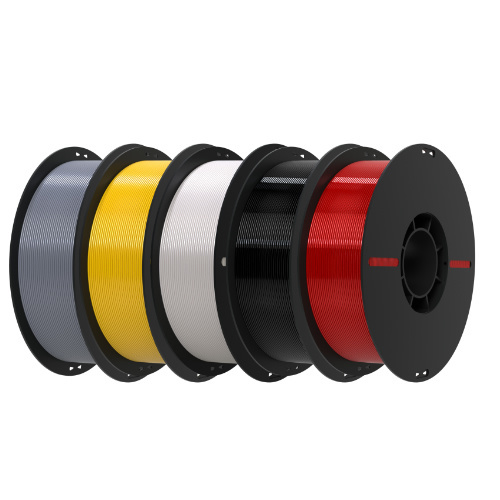
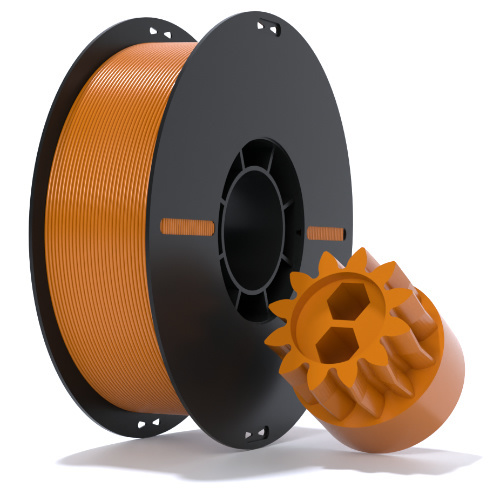
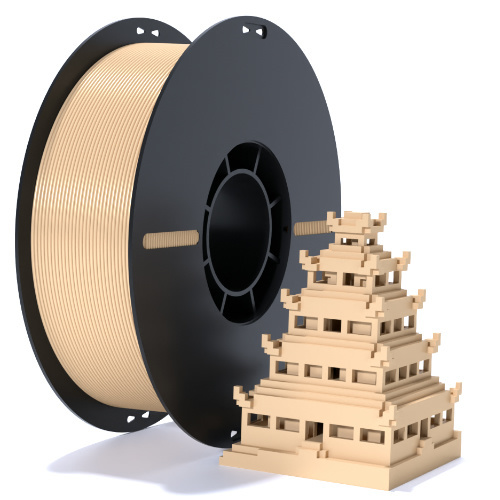
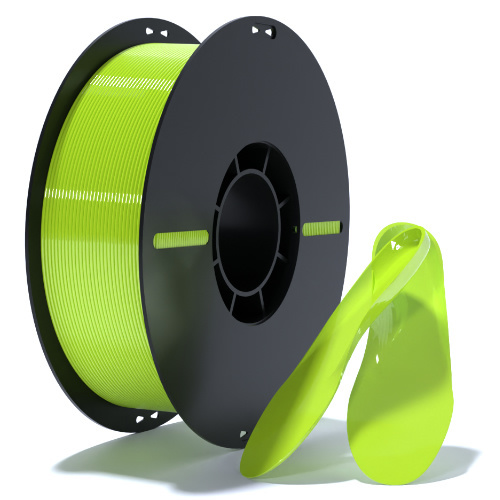
Plastics dominate the 3D printing landscape. Materials such as **PLA (Polylactic Acid)** and **ABS (Acrylonitrile Butadiene Styrene)** are popular choices due to their versatility and ease of use. PLA is biodegradable and derived from renewable sources, making it an environmentally friendly option. Conversely, ABS offers greater durability and resistance to impact, making it ideal for functional prototypes and end-use products.
2.2 Metal Materials: Strength and Durability
**Metal 3D printing** has gained traction predominantly in industries requiring high strength and resilience. Stainless steel, titanium, and aluminum are frequently used in applications ranging from aerospace components to medical implants. Each metal possesses unique attributes, such as corrosion resistance and lightweight properties, which are crucial for specific applications.
2.3 Ceramics: Aesthetic and Functional Qualities
Ceramic materials offer excellent thermal resistance and aesthetic appeal. They are often used in creating intricate designs and functional components in various fields, including **art**, **dental**, and **aerospace**. The ability to produce complex geometries makes ceramics an attractive option for specialized applications.
2.4 Composite Materials: The Best of Both Worlds
Composite materials combine multiple substances to achieve superior properties. For instance, carbon-fiber-reinforced polymers offer exceptional strength-to-weight ratios, making them suitable for high-performance applications like automotive components and aerospace parts. Understanding how to effectively utilize composites can lead to innovative solutions in product design.
3. Emerging Trends in 3D Printing Materials
As the 3D printing industry progresses, several trends are emerging that will likely dictate the future of materials in this field.
3.1 Biomaterials: The Future of Medical Applications
Biomaterials are paving the way for groundbreaking advancements in **medical solutions**. The ability to create **custom implants**, prosthetics, and even tissue engineering is transforming patient care. These materials are designed to interact with biological systems, ensuring compatibility and functionality within the human body.
3.2 Sustainable Materials: Eco-Friendly Innovations
Sustainability is a growing concern across industries, and 3D printing is no exception. Innovations such as **recycled plastics** and **bio-based materials** are becoming increasingly popular. By utilizing sustainable materials, companies can significantly reduce their environmental footprint while still capitalizing on the benefits of 3D printing.
3.3 Smart Materials: The Next Frontier
The development of **smart materials** is a thrilling aspect of current research. These materials can respond to environmental changes, allowing for innovative applications in various fields, including robotics and healthcare. Their ability to change shape, color, or properties in response to stimuli opens up numerous possibilities for functional designs.
4. Applications of 3D Printing Materials
The versatility of 3D printing materials has led to their adoption across a wide range of industries. Below are some notable applications.
4.1 Aerospace Industry: Redefining Manufacturing
The aerospace sector has embraced 3D printing due to its ability to produce lightweight, durable parts. Companies are increasingly using additive manufacturing to create engine components and structural parts that are both cost-effective and efficient. This technology not only reduces waste but also shortens production times significantly.
4.2 Automotive Sector: Customization and Efficiency
In the automotive industry, 3D printing is revolutionizing the way vehicles are designed and manufactured. Companies are utilizing this technology to create custom parts, prototypes, and even entire vehicles. The ability to iterate designs rapidly allows for greater flexibility and creativity in automotive engineering.
4.3 Healthcare Innovations: Revolutionizing Patient Care
3D printing is making significant strides in healthcare, particularly in creating personalized devices and implants. Innovations such as **custom-made prosthetics** and surgical guides are improving patient outcomes and minimizing recovery times. The precision and customization afforded by 3D printing are reshaping the landscape of medical care.
5. The Future of 3D Printing Materials
Looking ahead, the future of 3D printing materials appears promising. Continued research and development will lead to the discovery of new materials with enhanced properties. Innovations in **nanotechnology** and **material science** are expected to yield materials that are stronger, lighter, and more adaptable.
Moreover, we anticipate an increase in collaboration between material scientists and engineers to create bespoke materials tailored to specific applications. As the demand for **customization** grows, so too will the need for innovative materials that can meet these unique challenges.
6. Challenges in Developing New 3D Printing Materials
Despite the potential, several challenges exist in the development of new 3D printing materials. These hurdles include:
- **Material Compatibility**: Ensuring new materials can be effectively used with existing printers and technologies is crucial for wider adoption.
- **Cost**: Developing innovative materials can be expensive, which may hinder their implementation in cost-sensitive industries.
- **Performance and Durability**: New materials must meet rigorous performance and durability standards to be considered viable for industrial applications.
Overcoming these challenges will be vital for the continued growth and acceptance of 3D printing technologies.
7. Conclusion
The **future of 3D printing materials** is both exciting and dynamic. As industries increasingly recognize the advantages of additive manufacturing, the development of innovative materials will play a critical role in advancing this technology. From sustainable options to biomaterials and smart materials, the possibilities are vast. By embracing these advancements, we can expect 3D printing to not only revolutionize manufacturing but also improve lives across various sectors.
8. Frequently Asked Questions (FAQs)
1. What are the most common materials used in 3D printing?
**Plastics** like PLA and ABS are the most common materials used in 3D printing due to their versatility and ease of use. Metals and ceramics are also widely utilized for specialized applications.
2. How do biomaterials differ from traditional materials?
**Biomaterials** are specifically designed to interact with biological systems, making them suitable for medical applications like implants and prosthetics, whereas traditional materials may not have such compatibility.
3. What role does sustainability play in 3D printing?
Sustainability is becoming increasingly important in 3D printing, with innovations in **recycled materials** and **bio-based options** helping to reduce environmental impact.
4. How is 3D printing impacting the aerospace industry?
3D printing is redefining manufacturing in the aerospace sector by allowing for the production of lightweight, durable parts that reduce waste and shorten production times.
5. What challenges exist in developing new 3D printing materials?
Challenges include ensuring **material compatibility** with current technology, managing costs, and meeting performance and durability standards for industrial applications.
The ongoing advancements in 3D printing materials signal a transformative shift in various industries, making it an exciting time for innovation and creativity.
3d printer material
Recommended News
 Esperanto
 Shqiptare
 Euskara
 Zulu
Zulu
 Latinus
 Cymraeg
 தமிழ்
தமிழ்
 Slovak
 Slovak
 Afrikaans
Join us
Subscribe to get the latest news


Skype / WhatsApp: +86 592-5713513 / +86-13860126490
No.88-3, North Tongji Road, Xike County, Tong'an District, Xiamen, Fujian China
Xiamen Goofoo Technology Co., Ltd. All Rights Reserved 闽ICP备2022008070号-1 SEO 300.cn
Phone:+0086 592-5713513
Address: No.88-3, North Tongji Road, Xike County, Tong’an District, Xiamen, Fujian China
Email: sales@goofoo3d.com
We will give you feedback in time