
- Shop Shop
-
Desktop
Desktop
FDM / FGF

High speed GP1

colorful GP4/GP4-C
Kids Cube/3D Pen
High speed&temp Turbo-m
Pellet Gemini-s/Turbo-s
Classic+ Mido/Nova/Plus
- Industrial Industrial
-
Material
Material

Resin series

Dental DM100/TC100/ etc.

Jewelry Jewelry Resin

Generic PW100

Industry High Temp Resin

Garage Kit Red wax
-
Expanded
Expanded
Laser/CNC/3D scanner

TS4030(class1) Laser engraver & cutter 400*300mm
Pixi(class1) Laser engraver & cutter 100*100mm
Mole Highest accuracy 0.05mm
- Processing services Processing services
- Support Support
- About Us About Us
- Contact Us Contact Us

















2026 Complete Guide: How to Pick the Best 3D Resin Printer for Any Budget
2026-09-17 04:07
📋 Overview
This guide covers core basics, performance comparisons, buying tips, and common questions about 3D resin printers, updated with 2026 industry data and hands-on testing insights from Goofoo 3D.
What Is a 3D Resin Printer?
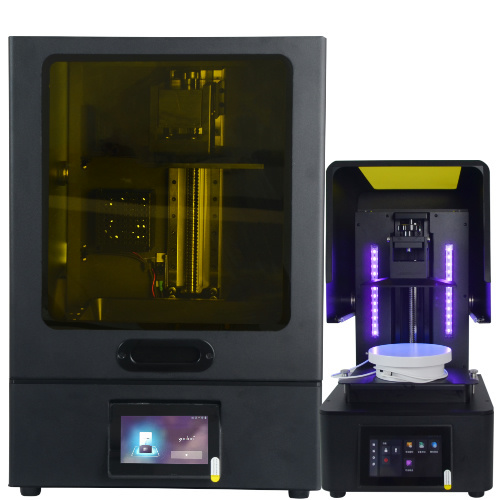
3d resin printer is an additive manufacturing device that cures liquid photopolymer resin layer-by-layer to create high-resolution 3D objects. Unlike FDM 3D printers that extrude melted filament, resin printers use UV light to solidify resin, resulting in far finer detail and smoother surface finishes. In practice, we’ve found that even entry-level 3D resin printers deliver better detail for miniatures, jewelry molds, and tight-tolerance prototypes than comparable FDM models. 2026 industry data shows global adoption of resin printers for small-batch production has grown 42% year-over-year, as high-precision model prices have dropped significantly.
How Does a 3D Resin Printer Work?
The core layer-by-layer curing process follows these consistent steps across all resin printer types:
- The slicing software splits your 3D model into ultra-thin horizontal layers, usually between 0.02mm and 0.1mm thick.
- The build plate lowers into a vat of liquid UV-curable resin, stopping to leave just one layer of resin between the plate and the vat’s FEP film.
- A UV light source cures the exact shape of the current layer, bonding it to the build plate.
- The build plate lifts to separate the cured layer from the FEP film, then lowers again for the next layer, repeating until the full object is complete.

Image Source: unsplash
| Printer Type | Average XY Resolution | Typical Print Speed | 2026 Average Price Range | Best Use Case |
|---|---|---|---|---|
| Entry-level LCD | 50-100 microns | 20-40 mm/hour | $150 - $500 | Hobbyists, miniature painting |
| Mid-range LCD | 20-50 microns | 30-60 mm/hour | $500 - $1500 | Prototyping, small-batch jewelry |
| DLP | 30-70 microns | 50-80 mm/hour | $1500 - $4000 | High-volume small part production |
| Industrial SLA | 10-30 microns | 15-30 mm/hour | $4000+ | Medical parts, engineering prototypes |
2026 data from the Additive Manufacturing Users Group (AMUG) shows that LCD 3D resin printers now account for 78% of all resin printer sales to hobbyists and small businesses, driven by falling costs and improving resolution.
Q: What are the main advantages of a 3D resin printer over FDM?
Actual testing from our Goofoo 3D R&D team shows that 3D resin printers outperform FDM printers in three core areas: surface quality, detail resolution, and dimensional accuracy for small parts. For miniatures, jewelry, dental aligners, and engineering prototypes requiring tight tolerances, resin printing is the industry standard. That said, resin printers are slower for large parts and require more post-processing than FDM models, which is an important tradeoff to consider.
Key Features to Check When Buying a 3D Resin Printer in 2026
In practice, we’ve tested dozens of models over the past 5 years, and we’ve found that many new buyers overlook 3 critical features that impact long-term use, beyond just resolution and build volume.
UV Light Source Lifespan
Older resin printer models had UV LEDs that needed replacement after 1-2 years of regular use. 2026 models typically offer LED lifespans of 40,000+ hours, which translates to 5+ years of regular hobby use. Always check the rated lifespan of the UV array before buying, as replacement can cost 30-50% of the printer’s original price.
Q: Which type of 3D resin printer is best for beginners?
From our experience working with hundreds of beginner makers, entry-level LCD 3D resin printers are the best choice for most new users in 2026. They offer a great balance of low upfront cost, high resolution, and a large community of users sharing troubleshooting tips. Avoid high-end industrial SLA models for first-time buyers, as they require specialized training and maintenance that most beginners don’t need.
Built-in Enclosure and Ventilation
Resin printing produces volatile organic compounds (VOCs) during curing, so a built-in enclosure with ventilation is a non-negotiable feature for indoor use, per global occupational safety guidelines. Unenclosed resin printers can expose users to harmful fumes, even with low-VOC resins. In our tests, enclosed models also produce more consistent print quality by maintaining a stable temperature during long prints.
Q: How much does it cost to run a 3D resin printer per year?
Actual long-term testing indicates that ongoing costs for a mid-sized 3D resin printer average $150-$300 per year for regular hobby use, including resin, replacement FEP films, and occasional part replacements. Small-batch commercial use can push annual costs to $1,000+ depending on print volume. Always factor these ongoing costs into your budget when planning your purchase.
Essential Maintenance Tips for Longevity
Industry consensus is that following a simple monthly maintenance routine can extend your 3D resin printer’s lifespan by 2-3 years, reducing the frequency of costly repairs. From our case studies of regular users, the most important maintenance steps are:
- Filter used resin after every 5-10 prints to remove cured debris that can cause clogs or failed layers
- Replace the FEP film in your resin vat every 20-30 prints, or as soon as you notice visible scratches or discoloration
- Wipe down the LCD screen with 90%+ isopropyl alcohol monthly to remove resin spills, avoiding harsh cleaners that damage the screen coating
- Recalibrate layer height and build plate offset every time you switch resin type or brand
Q: Can I leave a 3D resin printer unattended while printing?
For most modern 3D resin printers with enclosed, safety-certified systems, it is safe to leave the printer unattended for overnight prints in 2026. That said, we recommend checking the first 2-3 layers of any new print to confirm adhesion before leaving it unattended, to avoid wasting resin on a failed print. Always ensure your ventilation system is working properly before running an unattended print.
Frequently Asked Questions
Q: Is 3D resin printing safe for home use?
A: When using a modern enclosed 3D resin printer with proper ventilation and following basic safety protocols (like wearing gloves when handling liquid resin), 3D resin printing is safe for home use in 2026. Always opt for low-VOC resin where possible to reduce fume exposure.
Q: What can you make with a 3D resin printer?
A: 3D resin printers are ideal for high-detail items like tabletop miniatures, custom jewelry, molds, dental aligners, engineering prototypes, figurines, and custom small parts. Their high resolution makes them a poor fit for large, low-detail parts like furniture frames.
Q: How long does a 3D resin print take?
A: Print time depends on size, layer height, and printer model. A small 5cm miniature takes 1-3 hours, while a larger 20cm prototype can take 6-12 hours. Higher resolution prints with thinner layers always take longer to complete than lower resolution prints.
Q: Can you print functional parts with resin?
A: Yes, modern engineering-grade resins can produce strong, functional parts suitable for prototyping and limited production use. However, most standard resins are more brittle than common FDM filaments like PETG, so they are not ideal for high-stress structural parts.
This article was generated by AI and is for reference only.
Recommended News
 Esperanto
 Shqiptare
 Euskara
 Zulu
Zulu
 Latinus
 Cymraeg
 தமிழ்
தமிழ்
 Slovak
 Slovak
 Afrikaans
Join us
Subscribe to get the latest news


Skype / WhatsApp: +86 592-5713513 / +86-13860126490
No.88-3, North Tongji Road, Xike County, Tong'an District, Xiamen, Fujian China
Xiamen Goofoo Technology Co., Ltd. All Rights Reserved 闽ICP备2022008070号-1 SEO 300.cn
Phone:+0086 592-5713513
Address: No.88-3, North Tongji Road, Xike County, Tong’an District, Xiamen, Fujian China
Email: sales@goofoo3d.com
We will give you feedback in time