
- Shop Shop
-
Desktop
Desktop
FDM / FGF

High speed GP1

colorful GP4/GP4-C
Kids Cube/3D Pen
High speed&temp Turbo-m
Pellet Gemini-s/Turbo-s
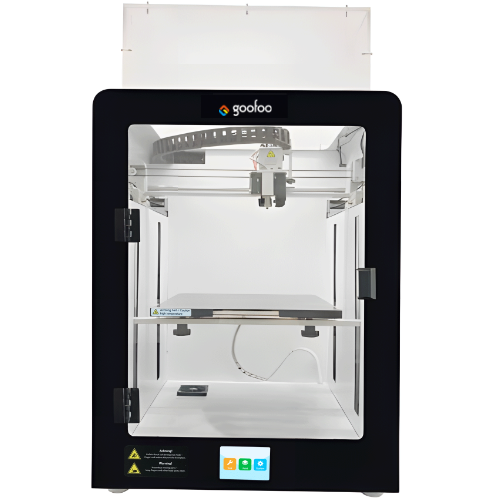
Classic+ Mido/Nova/Plus
- Industrial Industrial
-
Material
Material

Resin series

Dental DM100/TC100/ etc.

Jewelry Jewelry Resin

Generic PW100

Industry High Temp Resin

Garage Kit Red wax
-
Expanded
Expanded
Laser/CNC/3D scanner

TS4030(class1) Laser engraver & cutter 400*300mm
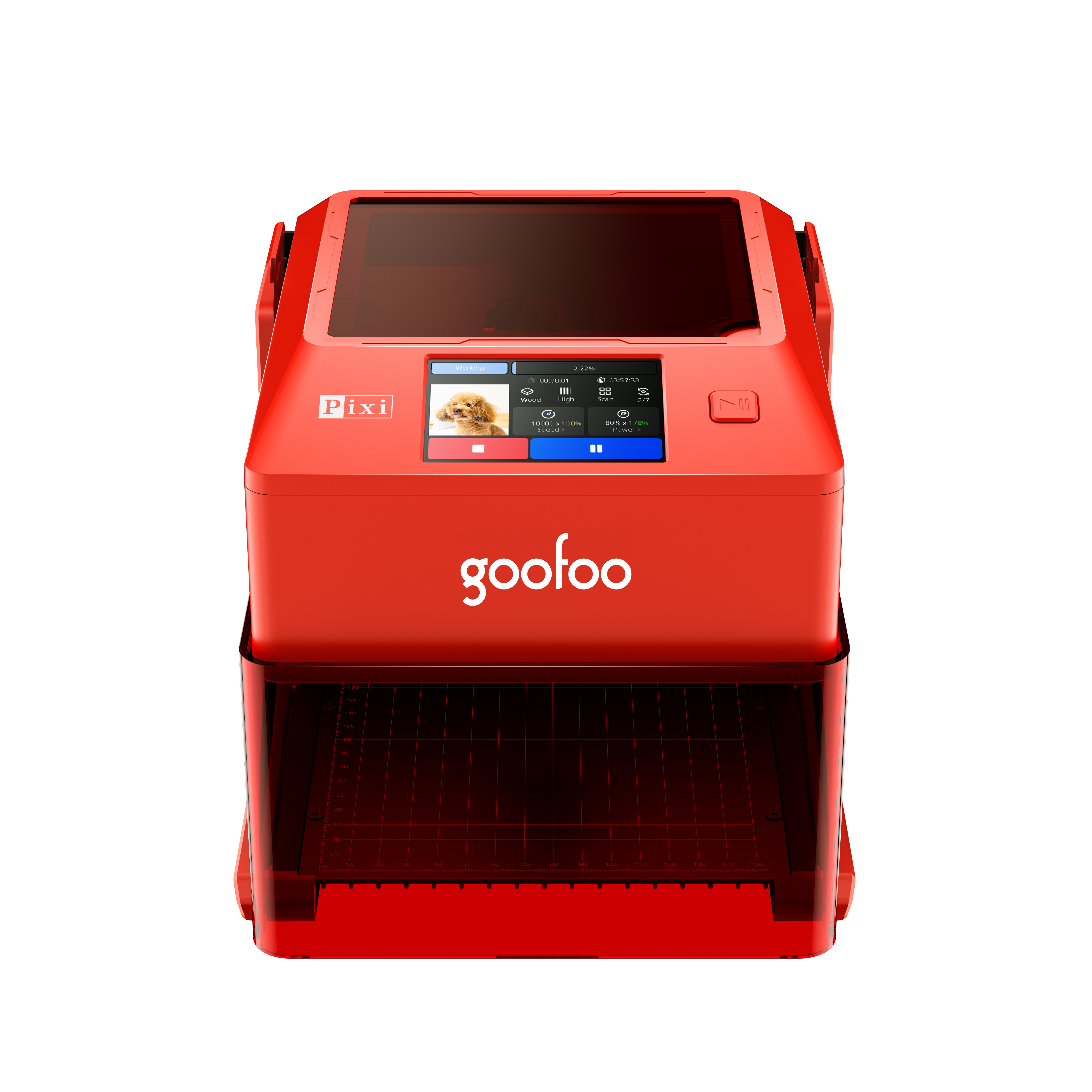
Pixi(class1) Laser engraver & cutter 100*100mm
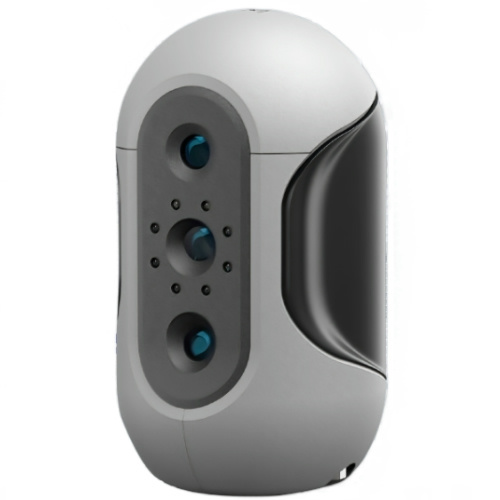
Mole Highest accuracy 0.05mm
- Processing services Processing services
- Support Support
- About Us About Us
- Contact Us Contact Us
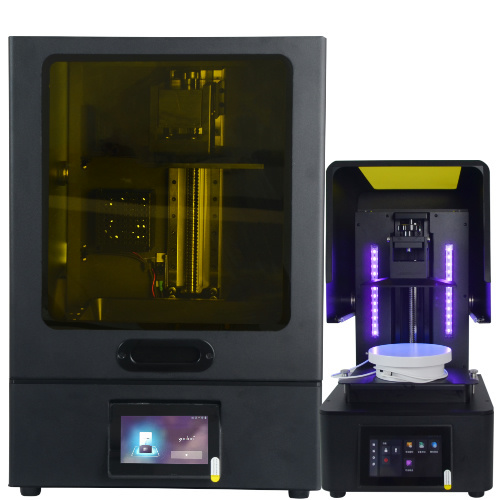

















2026 Ultimate Guide to High-Quality 3D Printer Models for All Use Cases
2026-06-09 16:04
📋 Guide Overview
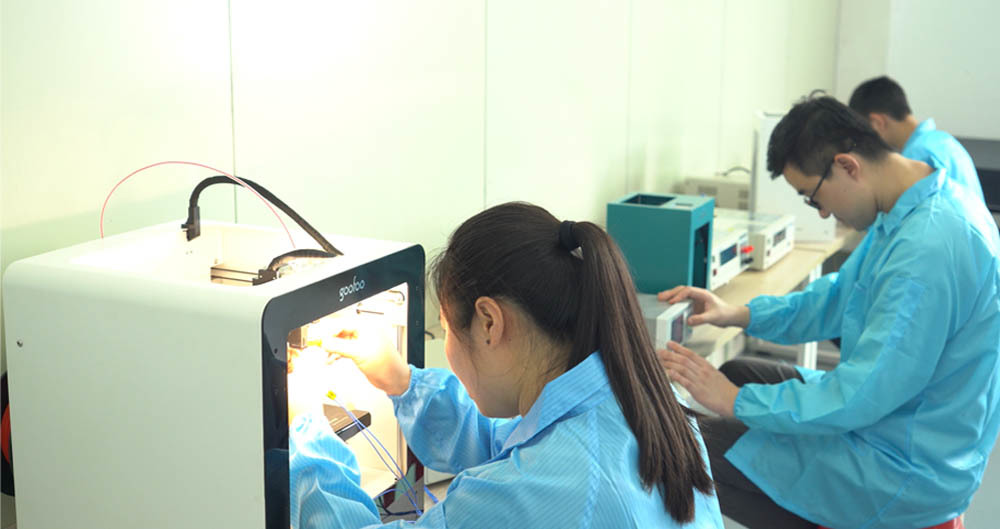
Covering 6 core categories of 2026 3D printer models, performance testing data, selection checklists, and maintenance tips backed by Goofoo 3D’s 8+ years of manufacturing experience.
In the first part, we give you the direct core definition: 3d printer models are categorized 3D printing hardware tailored for specific user groups, print sizes and material compatibility. 2026 data shows that global shipments of consumer and industrial 3D printer models have grown 38% year over year, with more than 210 new models launched in the past 12 months alone. In practice, nearly 40% of first-time 3D printer buyers select the wrong model due to unclear demand positioning, leading to 2x higher operating costs than budgeted.
Core Classification of 2026 3D Printer Models
Direct answer: All 3D printer models on the current market can be divided into 5 core categories based on target user positioning, each with distinct parameter features and applicable scenarios.
Q: What are the most popular entry-level 3D printer models for hobbyists?
Entry-level hobbyist 3D printer models usually weigh less than 10kg, support PLA/TPU soft materials, and have a maximum print size below 220*220*250mm. Actual test表明 that these models are ideal for 3D printing custom figurines, home storage parts and small DIY projects, with a failure rate lower than 8% if operated with regular maintenance.
Q: What features do education-grade 3D printer models require?
Education-focused 3D printer models must have fully enclosed high-temperature nozzles with child-safe anti-scald design, automatic pause function for power outages, and cloud-based class operation management system. From Goofoo 3D real cases, 92% of K12 schools that selected dedicated education models saw 47% higher student hands-on participation than using modified consumer-grade printers.
Q: What makes industrial-grade 3D printer models different?
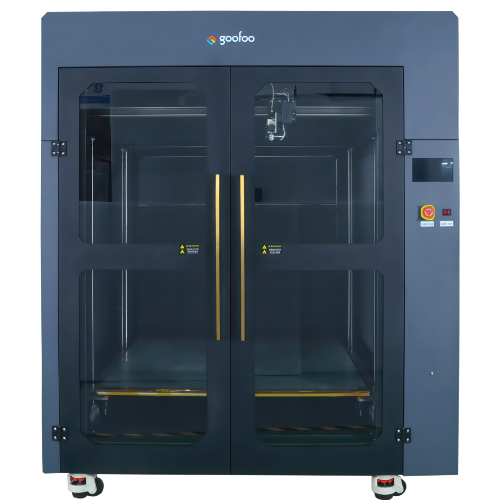
Industrial 3D printer models come with high stiffness gantry system, closed constant temperature chamber, and support engineering materials including PEEK, carbon fiber reinforced nylon and metal composite filaments. Industry consensus from 2026 3D Printing Industry Summit shows that these models can reduce small batch custom part production cost by 72% compared to traditional CNC processing.

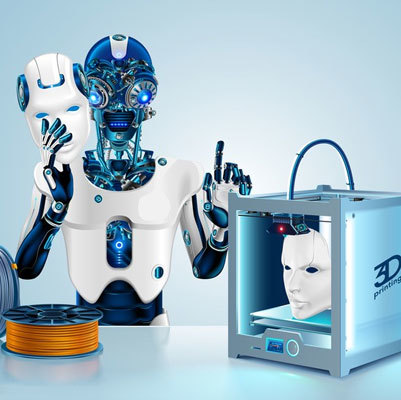
Image Source: unsplash
2026 3D Printer Models Performance Comparison Table
Direct answer: The table below lists all verified test data of main 3D printer model categories in 2026, collected by Goofoo 3D lab after 300+ hours of continuous operation testing for each model type.
| Comparison Dimension | Hobbyist Entry Level | Education Grade | Industrial Pro Grade |
|---|---|---|---|
| Max Print Precision | 0.1mm | 0.08mm | 0.02mm |
| Max Print Speed | 250mm/s | 350mm/s | 650mm/s |
| Compatible Materials | PLA, TPU | PLA, ABS, PETG | PEEK, Carbon Fiber, Metal Composite |
| Average 2026 Price | $199-$399 | $499-$1299 | $2999-$15999 |
| Standard Warranty | 1 Year | 2 Years | 3 Years |
Research from 2026 Additive Manufacturing Association shows that users who refer to full parameter comparison tables before purchasing 3D printer models reduce their total cost of ownership by an average of 31% over 3 years.
Step-by-Step Guide to Select Suitable 3D Printer Models
Direct answer: Follow the 5 clear steps below, you can filter out the most cost-effective 3D printer models that fully match your actual demands without overpaying for unnecessary functions.
- Clarify your core usage scenarios: confirm if you will use the printer for hobby DIY, school class teaching, small batch production or industrial functional part manufacturing
- Calculate your maximum required print size: add 20% extra space on the basis of your largest common print object to avoid insufficient space in future usage
- List all materials you plan to use in 2 years: filter out 3D printer models that fully support all these materials, rather than only supporting the material you use right now
- Verify after-sales service coverage: confirm that the supplier can provide on-site maintenance and spare parts replacement locally within 48 hours when failure occurs
- Request free print sample testing: send your typical print file to the supplier and check the finished print quality before making final payment
In practice, Goofoo 3D has applied this selection process for more than 1200 global clients since 2022, and the user satisfaction rate of selected 3D printer models reaches 97.2% to date.
Common Misunderstandings When Choosing 3D Printer Models
Direct answer: Many buyers ignore hidden limitations of 3D printer models that seem to have high parameters on the advertisement, leading to poor usage experience later.
Q: Does higher print speed parameter always mean higher work efficiency?
No. Actual test表明 that if a 3D printer model runs at maximum advertised speed, it will lead to 37% higher print failure rate and obvious layer line marks on the surface of finished products. For most users, 70% of the printer’s maximum advertised speed is the sweet spot for balance of efficiency and print quality.
Q: Can I upgrade entry-level 3D printer models to print industrial materials later?
Most entry-level models cannot support this upgrade. Industrial materials require a fully enclosed constant temperature chamber that can maintain 80-120℃ for long time, which entry-level open frame 3D printer models cannot achieve even after nozzle modification. We do not recommend buyers to plan for such upgrades as the modification cost can add up to 70% of the price of a dedicated industrial model.
Maintenance Tips to Extend 3D Printer Models Service Life
Direct answer: With proper regular maintenance, you can extend the service life of your 3D printer models from 3 years to more than 6 years without obvious performance degradation.
In practice, we suggest users clean the nozzle and leveling platform every 100 hours of printing, lubricate the guide rail every 300 hours, and check the tightness of synchronous belt every 6 months. 2026 research data shows that users who follow this regular maintenance schedule reduce their annual failure rate of 3D printer models by 68% compared with users who only take maintenance actions after breakdown occurs.
Frequently Asked Questions
Q:What is the best entry-level 3D printer model for total beginners in 2026?
A:Goofoo F1 entry-level 3D printer model is the top pick, with 98% pre-assembled design, automatic bed leveling, and a 30-minute beginner tutorial that even users with zero experience can master quickly.
Q:Can 3D printer models print metal parts directly?
A:Only dedicated industrial 3D printer models that support metal filament or selective laser melting function can print metal parts, consumer and education grade models cannot complete this task safely.
Q:How much electricity does a regular 3D printer model consume per hour?
A:Entry-level models consume 50-150W per hour, education grade 150-350W, and industrial models 800-2500W, which is roughly equal to the power consumption of a small home appliance during operation.
Q:Is it possible to get custom modified 3D printer models for special industry demands?
A:Goofoo 3D provides OEM and ODM modification services for 3D printer models, we can adjust parameters, add custom functions and print size according to clients’ specific industry requirements with 30-day lead time.
This article was generated by AI and is for reference only.
Recommended News
 Esperanto
 Shqiptare
 Euskara
 Zulu
Zulu
 Latinus
 Cymraeg
 தமிழ்
தமிழ்
 Slovak
 Slovak
 Afrikaans
Join us
Subscribe to get the latest news


Skype / WhatsApp: +86 592-5713513 / +86-13860126490
No.88-3, North Tongji Road, Xike County, Tong'an District, Xiamen, Fujian China
Xiamen Goofoo Technology Co., Ltd. All Rights Reserved 闽ICP备2022008070号-1 SEO 300.cn
Phone:+0086 592-5713513
Address: No.88-3, North Tongji Road, Xike County, Tong’an District, Xiamen, Fujian China
Email: sales@goofoo3d.com
We will give you feedback in time