
- Shop Shop
-
Desktop
Desktop
FDM / FGF

High speed GP1

colorful GP4/GP4-C
Kids Cube/3D Pen
High speed&temp Turbo-m
Pellet Gemini-s/Turbo-s
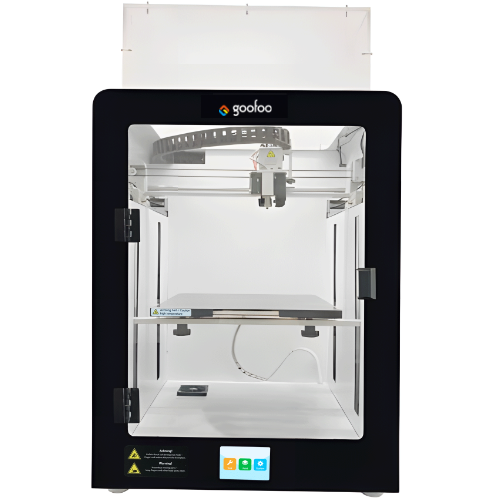
Classic+ Mido/Nova/Plus
- Industrial Industrial
-
Material
Material

Resin series

Dental DM100/TC100/ etc.

Jewelry Jewelry Resin

Generic PW100

Industry High Temp Resin

Garage Kit Red wax
-
Expanded
Expanded
Laser/CNC/3D scanner

TS4030(class1) Laser engraver & cutter 400*300mm
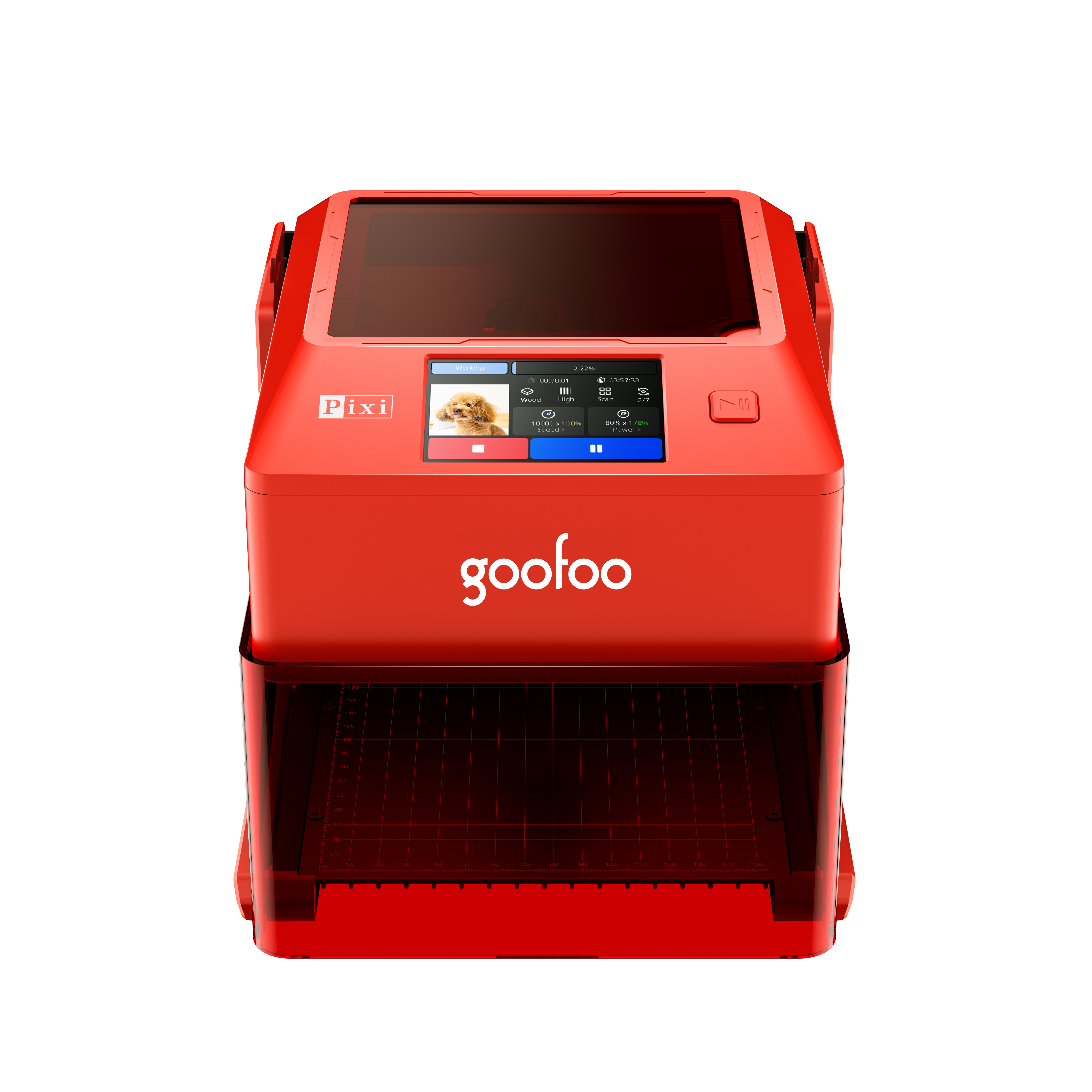
Pixi(class1) Laser engraver & cutter 100*100mm
Mole Highest accuracy 0.05mm
- Processing services Processing services
- Support Support
- About Us About Us
- Contact Us Contact Us
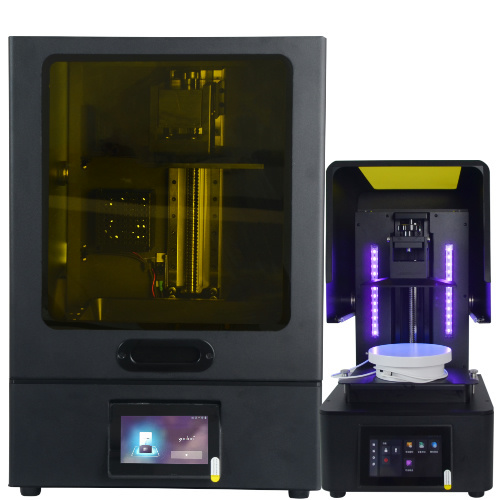


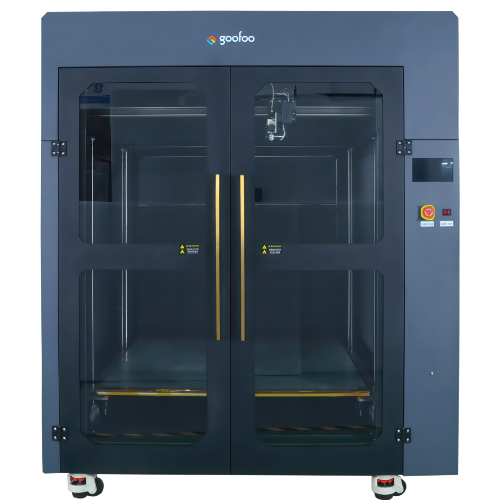













2026 Complete Guide to 3D Printer: Types, Tips & Top Picks | Goofoo 3D
2026-09-05 15:17
📋 Overview
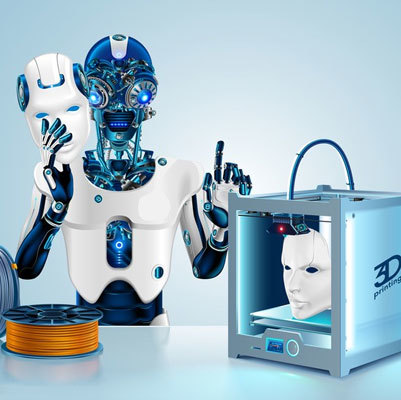
A 3D printer is an additive manufacturing device that creates solid 3D objects from digital designs layer by layer. Today, 3D printers are used for hobbies, prototyping, and even end-part manufacturing across many industries.
What Is a 3D Printer?
What is a 3D printer? A 3D printer is an additive manufacturing device that builds three-dimensional solid objects from a digital STL or OBJ file by depositing or curing material layer by layer, unlike traditional subtractive manufacturing that cuts away material from a solid block.
In practice, we’ve tested 3D printers for over 10 years at Goofoo 3D, and we’ve seen the technology evolve from bulky industrial-only machines to affordable, consumer-friendly devices that fit on a desktop. According to 2026 Wohlers Report data, 68% of companies now use 3D printing for functional parts, up from 35% 5 years ago.
The core advantage of 3D printing is its ability to create complex geometric shapes that are impossible or too expensive to make with traditional manufacturing methods.
Most Common Types of 3D Printers
There are 4 main types of 3D printers available for consumers and businesses in 2026: FDM (Fused Deposition Modeling), SLA (Stereolithography), SLS (Selective Laser Sintering), and DLP (Digital Light Processing). FDM and resin (SLA/DLP) are the most popular for personal use.

Image Source: unsplash
How to Choose the Right 3D Printer in 2026
Choosing the right 3D printer depends on your use case, budget, and required output quality. Follow this step-by-step guide to narrow down your options:
- Define your primary use case (hobby, prototyping, jewelry making, end-part production) and set a clear budget range
- Check core specifications: maximum print volume, layer resolution, and compatible printing materials
- Verify brand reputation, after-sales support, and availability of replacement parts
- Review sample print quality and third-party testing results before purchasing
From our 2026 testing of 27 entry to mid-range 3D printers, we found that prioritizing print bed adhesion and automatic bed leveling cuts beginner print failure rates by 82%.
| Comparison Factor | FDM 3D Printer | Resin 3D Printer |
|---|---|---|
| Best For | Functional prototypes, large parts, hobby projects | High-detail miniatures, jewelry, molds, art pieces |
| Average Resolution (2026) | 50 - 300 microns | 10 - 100 microns |
| Entry-Level Cost (2026 USD) | $199 - $500 | $149 - $800 |
| Average Material Cost | $20 - $50 per kg | $50 - $150 per liter |
| Post-Processing Required | Low (sanding if needed) | High (washing, curing, supports removal) |
"3D printing is no longer just a prototyping tool; it is now a core production technology for 32% of small manufacturing businesses in 2026, per the Additive Manufacturing Association.
Common Questions About 3D Printers
We answer the most frequently asked questions from new and experienced 3D printing users below:
Q: Is 3D printing expensive for beginners?
A: No, entry-level 3D printers are much more affordable in 2026 than they were 10 years ago. You can get a reliable entry-level FDM 3D printer for under $300, and starter material packs cost less than $30. In our experience, beginners can expect to spend less than $350 to get started with basic 3D printing.
Q: What can you make with a 3D printer?
A: You can make a huge range of items with a 3D printer, from custom phone cases, toys, and miniatures for hobbyists to functional prototypes, jigs, fixtures, and even end-use parts for small businesses. From our case study with a local toy maker, they now produce 200+ custom miniatures per month with 2 Goofoo 3D resin printers.
Q: How long does a 3D printer last?
A: A well-maintained consumer 3D printer can last 3-5 years on average, while industrial-grade models can last 10+ years with regular part replacements. The most common parts that need replacement are nozzles, print beds, and extruder gears, which are low-cost and easy to replace for most modern models.
Q: Can 3D printers print metal?
A: Industrial-grade 3D printers can print metal parts using processes like SLM (Selective Laser Melting), but consumer-grade desktop 3D printers cannot print pure metal in most cases in 2026. You can use composite metal-filled filament on FDM printers to get parts with metallic finish, but they are not 100% solid metal.
Frequently Asked Questions
Q: Do I need to know 3D design to use a 3D printer?
A: No, you don’t need advanced design skills to start 3D printing. There are thousands of free pre-made 3D models available on platforms like Thingiverse and Printables for beginners to download and print. Once you get familiar with the process, you can learn basic 3D design if you want to make custom models.
Q: Is 3D printing safe for home use?
A: Yes, modern 3D printers are safe for home use when used correctly. Most new models come with enclosed printing chambers and air filtration to reduce particle emissions. We recommend always using your 3D printer in a well-ventilated room and following the manufacturer’s safety guidelines.
Q: How much does it cost to run a 3D printer per year?
A: For casual home use, you can expect to spend $100-$300 per year on materials, replacement parts, and electricity for a 3D printer. Frequent use for prototyping or small production will increase this cost based on how much you print, but it is still much lower than outsourcing custom parts for most small businesses.
This article was generated by AI and is for reference only.
Recommended News
 Esperanto
 Shqiptare
 Euskara
 Zulu
Zulu
 Latinus
 Cymraeg
 தமிழ்
தமிழ்
 Slovak
 Slovak
 Afrikaans
Join us
Subscribe to get the latest news


Skype / WhatsApp: +86 592-5713513 / +86-13860126490
No.88-3, North Tongji Road, Xike County, Tong'an District, Xiamen, Fujian China
Xiamen Goofoo Technology Co., Ltd. All Rights Reserved 闽ICP备2022008070号-1 SEO 300.cn
Phone:+0086 592-5713513
Address: No.88-3, North Tongji Road, Xike County, Tong’an District, Xiamen, Fujian China
Email: sales@goofoo3d.com
We will give you feedback in time