
- Shop Shop
-
Desktop
Desktop
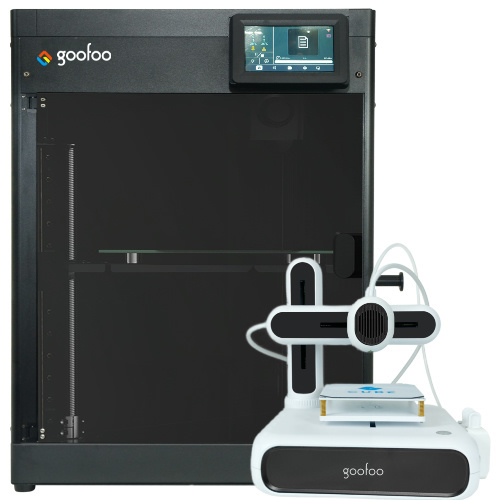
FDM / FGF

High speed GP1

colorful GP4/GP4-C
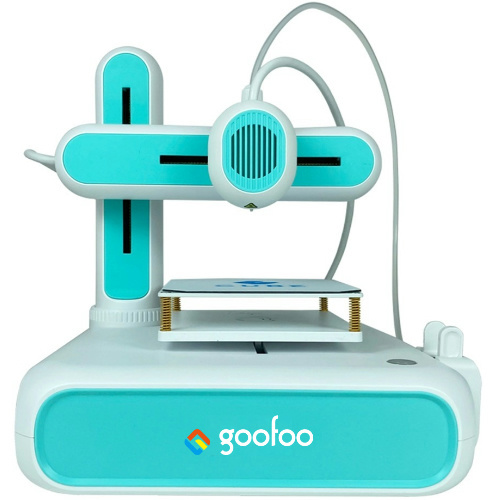
Kids Cube/3D Pen
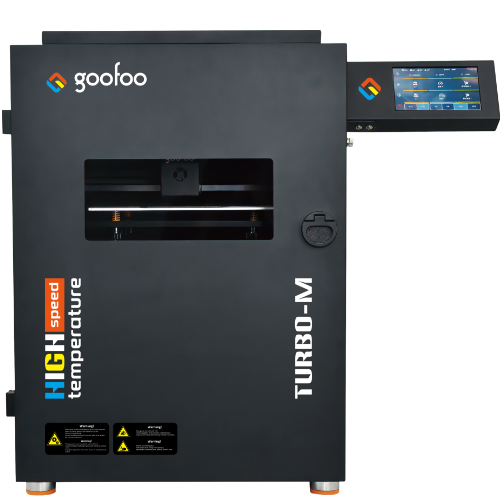
High speed&temp Turbo-m
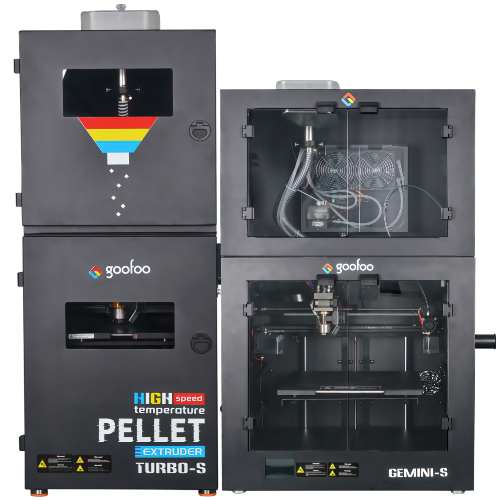
Pellet Gemini-s/Turbo-s
Classic+ Mido/Nova/Plus
- Industrial Industrial
-
Material
Material

Resin series

Dental DM100/TC100/ etc.

Jewelry Jewelry Resin

Generic PW100

Industry High Temp Resin

Garage Kit Red wax
-
Expanded
Expanded
Laser/CNC/3D scanner

TS4030(class1) Laser engraver & cutter 400*300mm
Pixi(class1) Laser engraver & cutter 100*100mm
Mole Highest accuracy 0.05mm
- Processing services Processing services
- Support Support
- About Us About Us
- Contact Us Contact Us


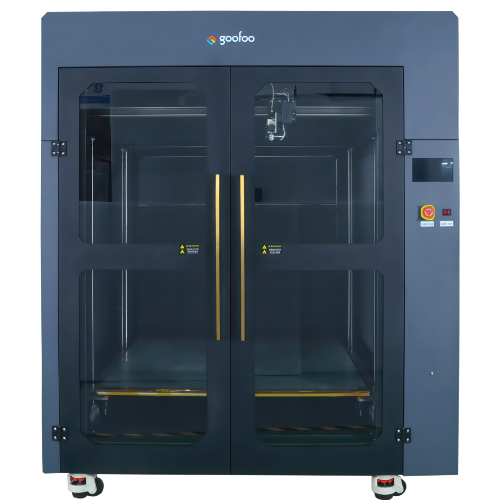


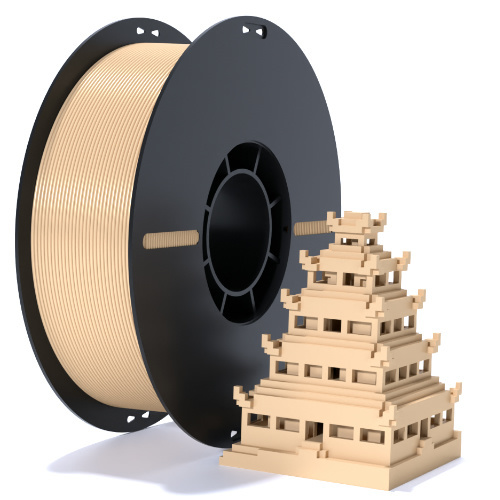














Revolutionizing the Art of Woodworking with 3D Printing Technology
2023-10-08 10:20
1. Introduction: The Fusion of Woodworking and 3D Printing
2. Understanding 3D Printing Technology
3. Advantages of 3D Printing in Woodworking
4. Applications of 3D Printing in Woodworking
5. Pushing the Boundaries of Design with 3D Printing
6. Sustainability and Waste Reduction in Woodworking
7. Challenges and Limitations of 3D Printing in Woodworking
8. FAQs (Frequently Asked Questions)
9. Conclusion
1. Introduction: The Fusion of Woodworking and 3D Printing
Woodworking has long been hailed as an exquisite art form, showcasing the skill and creativity of craftsmen who shape and mold wood into beautiful and functional objects. However, with the advent of 3D printing technology, the art of woodworking has taken a giant leap forward into a new era of innovation and possibilities. This article explores how 3D printing is revolutionizing woodworking, merging traditional craftsmanship with cutting-edge technology.
2. Understanding 3D Printing Technology
At its core, 3D printing technology involves creating three-dimensional objects by layering materials based on a digital model. Unlike traditional woodworking techniques that involve cutting, shaping, and assembling wood, 3D printing uses additive manufacturing methodologies to build objects layer by layer. This technology has gained immense popularity due to its ability to create complex designs with precision and accuracy, pushing the boundaries of what was once thought possible in woodworking.
3. Advantages of 3D Printing in Woodworking
The integration of 3D printing in woodworking brings numerous advantages. Firstly, it allows craftsmen to create intricate and intricate designs that were previously challenging or impossible to achieve. Complex shapes, intricate carvings, and interlocking structures can now be easily realized with the help of 3D printing technology. Additionally, it enables the rapid prototyping of designs, reducing the time and costs associated with traditional woodworking techniques.
4. Applications of 3D Printing in Woodworking
The applications of 3D printing in woodworking are vast and diverse. From furniture design to architectural elements, 3D printing opens up exciting opportunities for craftsmen. Furniture designers can create unique and personalized pieces that cater to individual tastes and preferences. Complex joinery, once only achievable through meticulous handwork, can now be effortlessly created with the precision of 3D printing. Moreover, 3D printing allows for the production of custom-made wooden molds and templates for various woodworking processes, streamlining production and ensuring consistency in output.
5. Pushing the Boundaries of Design with 3D Printing
One of the most significant advantages of 3D printing in woodworking is its ability to push the boundaries of design. By harnessing the power of computer-aided design (CAD) software, craftsmen can create intricate and imaginative designs that were previously unimaginable. This allows for the exploration of new design aesthetics, shapes, and forms that challenge traditional woodworking norms. The fusion of traditional craftsmanship with 3D printing technology brings forth a new era of design possibilities, inspiring innovation and creativity within the woodworking community.
6. Sustainability and Waste Reduction in Woodworking
In addition to its design capabilities, 3D printing technology also promotes sustainability in woodworking. Traditional woodworking techniques often result in significant material wastage due to cutting and shaping processes. However, with 3D printing, the precise amount of material required for each object can be calculated and used, minimizing waste. Moreover, 3D printing allows for the use of recycled or sustainable materials, further reducing the environmental impact of woodworking practices.
7. Challenges and Limitations of 3D Printing in Woodworking
While 3D printing has revolutionized woodworking in many ways, it is important to acknowledge its challenges and limitations. One such limitation is the scale of objects that can be produced. Larger objects may require specialized and expensive equipment, limiting the accessibility for smaller woodworking studios. Additionally, the strength and durability of 3D-printed wooden objects may differ from traditional woodworking techniques, requiring careful consideration of the intended use and functionality of the final product.
8. FAQs (Frequently Asked Questions)
Q1: Can 3D printing completely replace traditional woodworking techniques?
Q2: How long does it take to 3D print a wooden object?
Q3: Are there any design restrictions when using 3D printing in woodworking?
Q4: Is 3D printing cost-effective for small woodworking businesses?
Q5: What types of wood can be used in 3D printing?
9. Conclusion
In conclusion, the integration of 3D printing technology with woodworking has revolutionized the art form, allowing craftsmen to push the boundaries of design, create intricate and imaginative pieces, and promote sustainability within the industry. The fusion of traditional craftsmanship with cutting-edge technology has opened up new possibilities and avenues for innovation, inspiring the woodworking community to explore new realms of creativity. As 3D printing continues to advance, we can expect even more groundbreaking developments in the art of woodworking, firmly establishing its place at the forefront of design and craftsmanship.
wood 3d printer
Recommended News
 Esperanto
 Shqiptare
 Euskara
 Zulu
Zulu
 Latinus
 Cymraeg
 தமிழ்
தமிழ்
 Slovak
 Slovak
 Afrikaans
Join us
Subscribe to get the latest news


Skype / WhatsApp: +86 592-5713513 / +86-13860126490
No.88-3, North Tongji Road, Xike County, Tong'an District, Xiamen, Fujian China
Xiamen Goofoo Technology Co., Ltd. All Rights Reserved 闽ICP备2022008070号-1 SEO 300.cn
Phone:+0086 592-5713513
Address: No.88-3, North Tongji Road, Xike County, Tong’an District, Xiamen, Fujian China
Email: sales@goofoo3d.com
We will give you feedback in time