
- Shop Shop
-
Desktop
Desktop
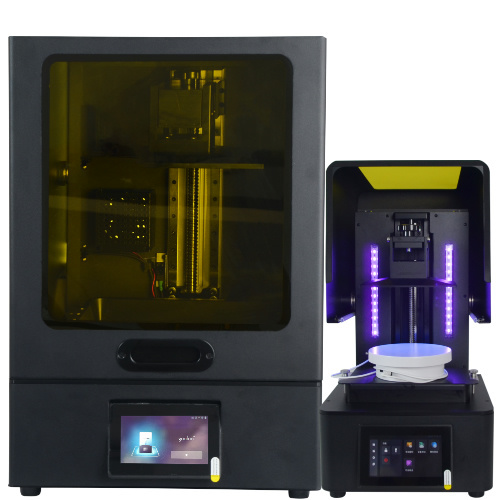
MSLA series

High accuracy Lens-s pro
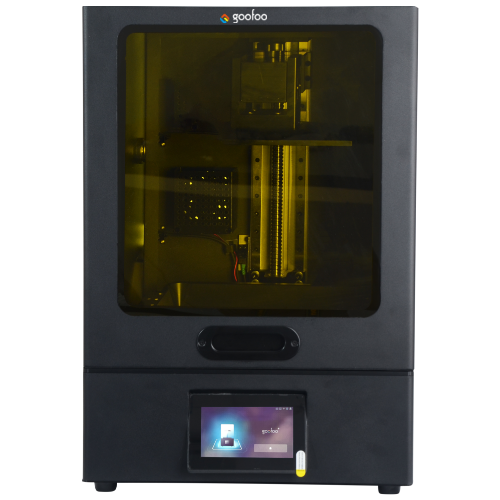
Large build volume Lens-m pro
- Industrial Industrial
-
Material
Material

Resin series

Dental DM100/TC100/ etc.

Jewelry Jewelry Resin

Generic PW100

Industry High Temp Resin

Garage Kit Red wax
-
Expanded
Expanded
Laser Engraver/CNC

TS4030(class1) Laser engraver & cutter 400*300mm
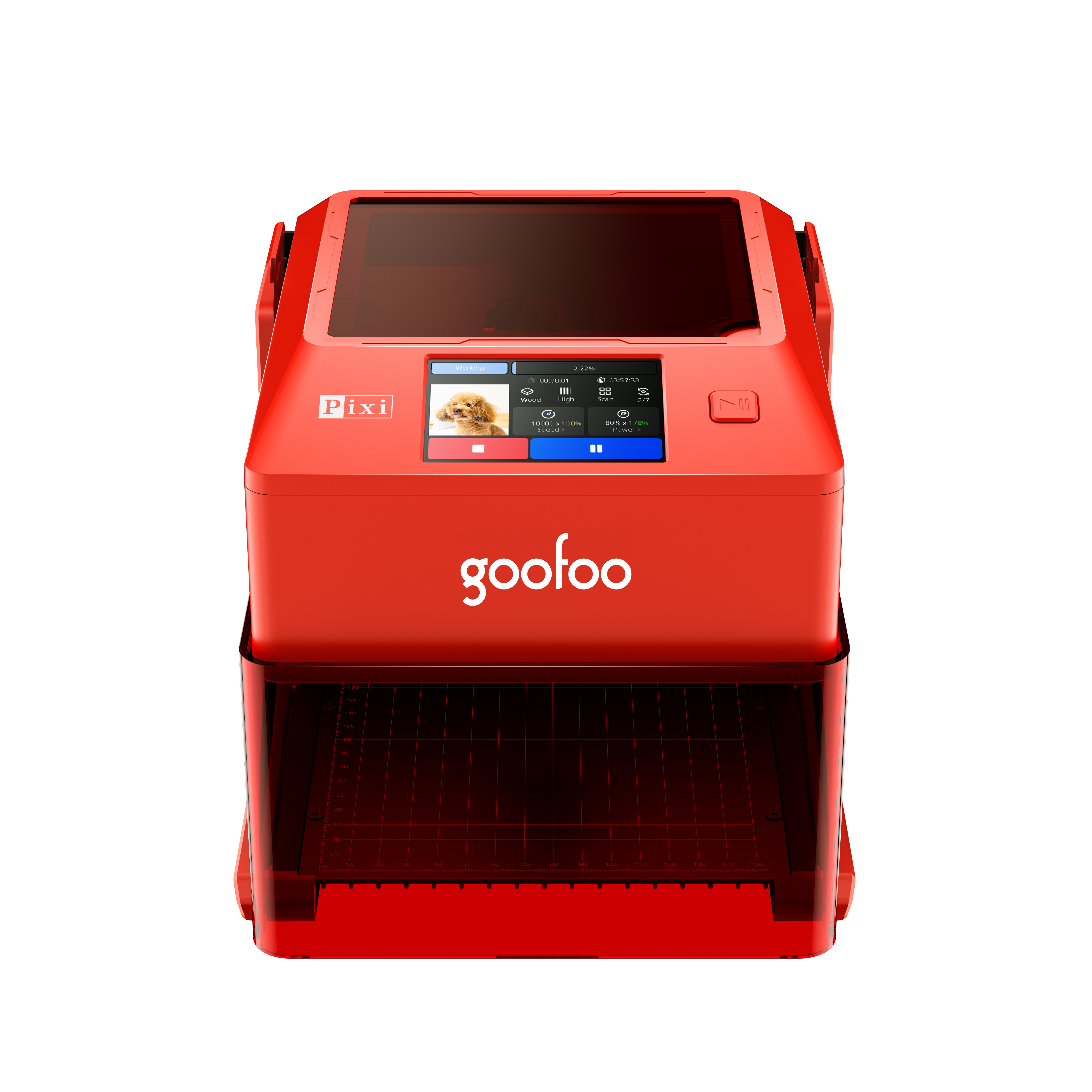
Pixi(class1) Laser engraver & cutter 100*100mm
3D scanner
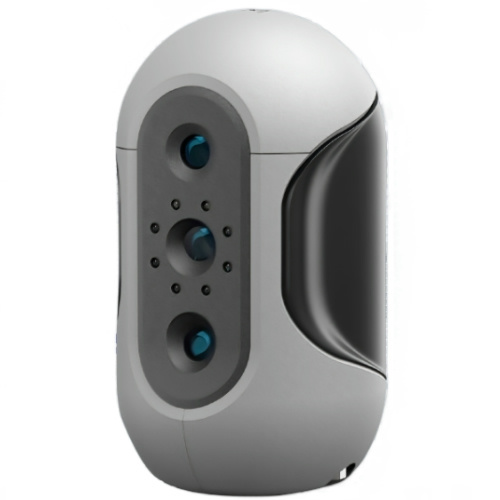
Mole Highest accuracy 0.05mm
- Industries & Applications Industries & Applications
- Support Support
- About Us About Us
- Contact Us Contact Us
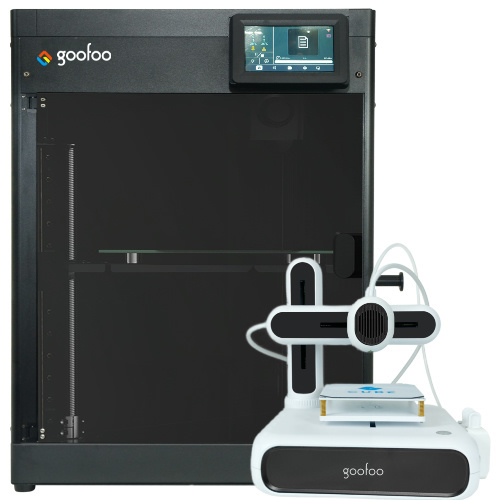


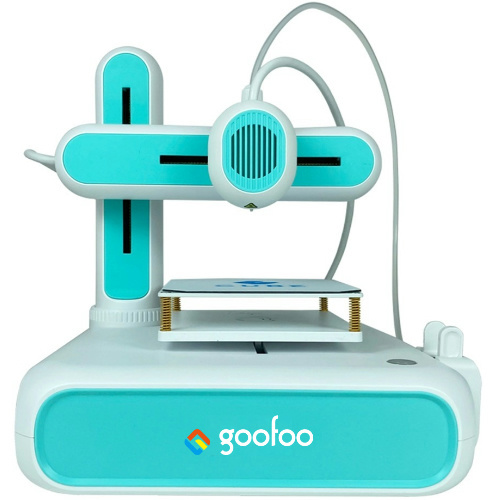
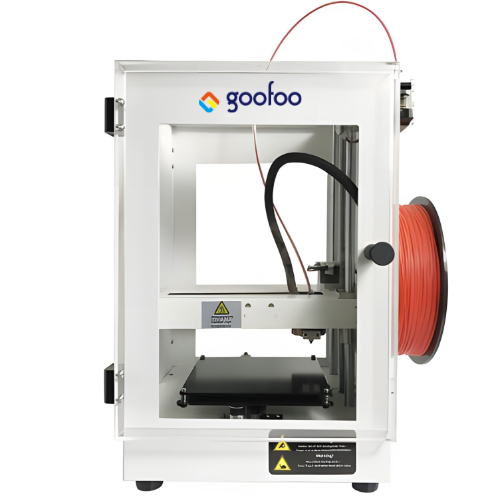
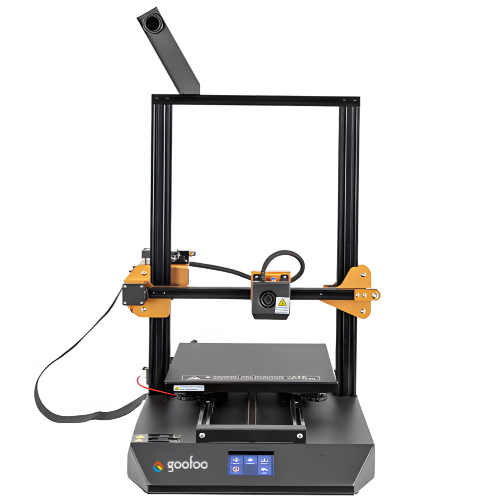
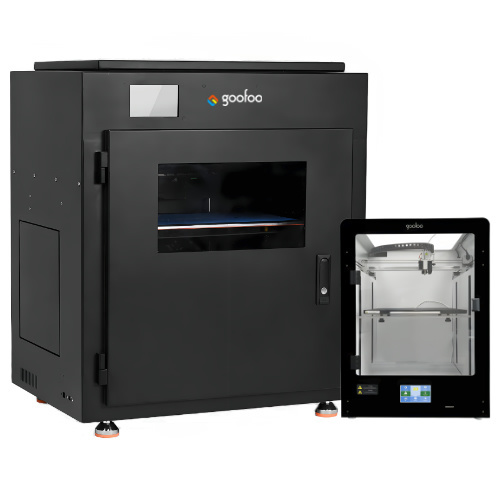
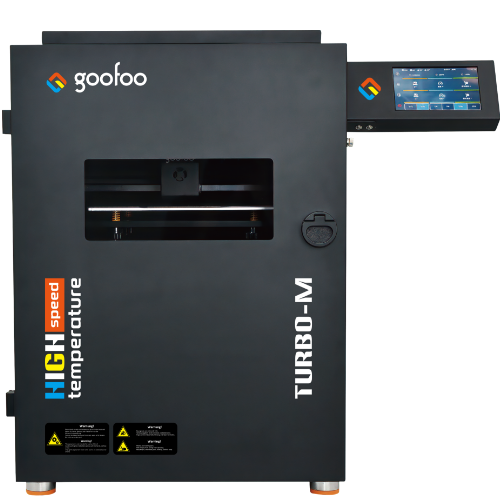
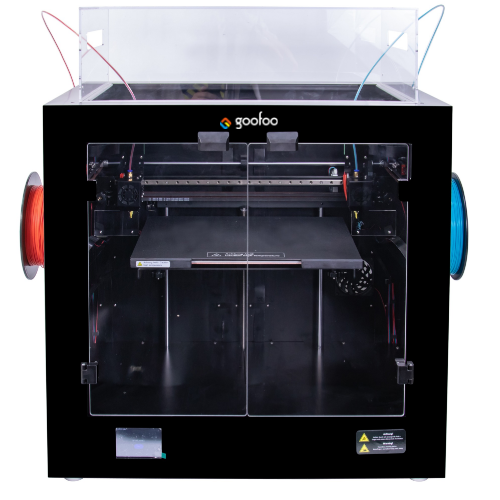
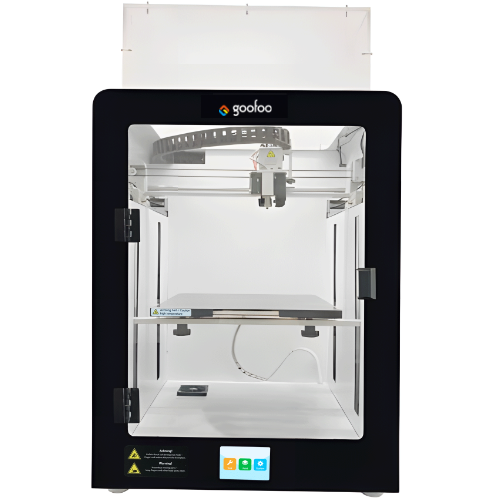
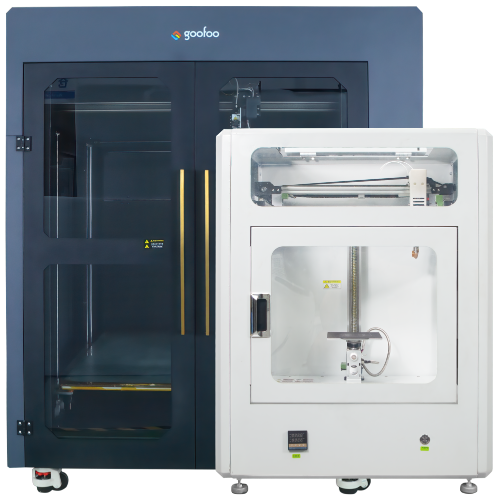

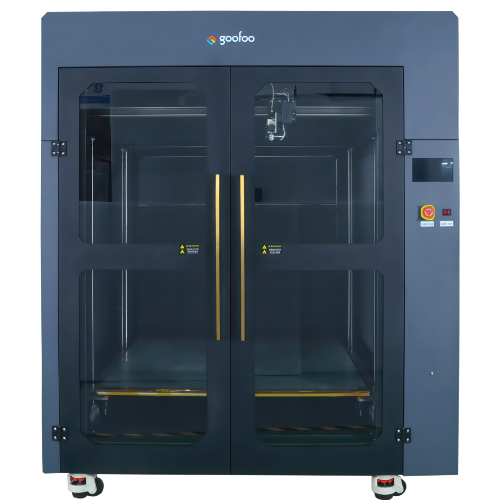
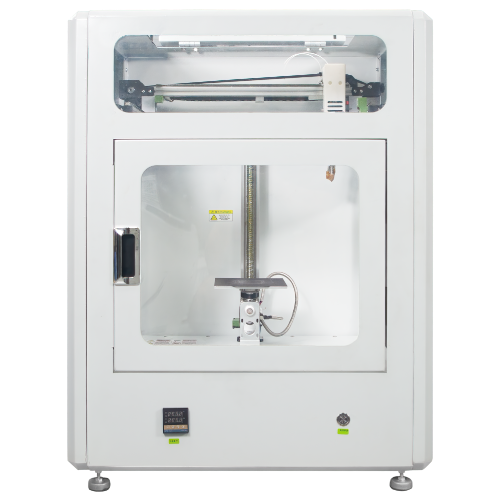
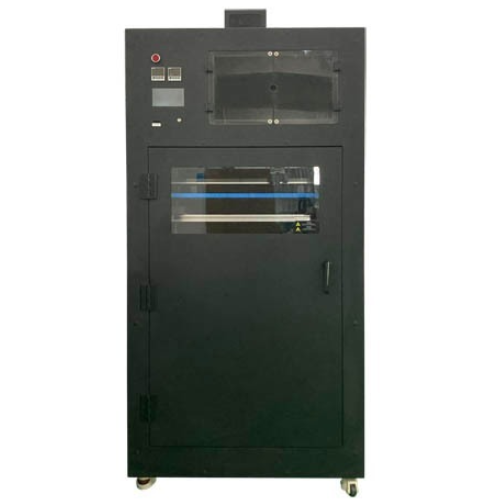
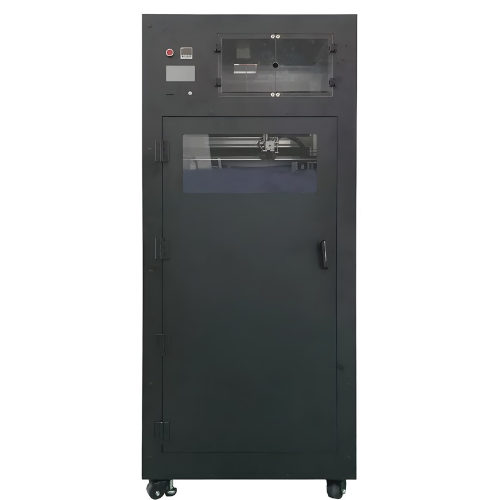
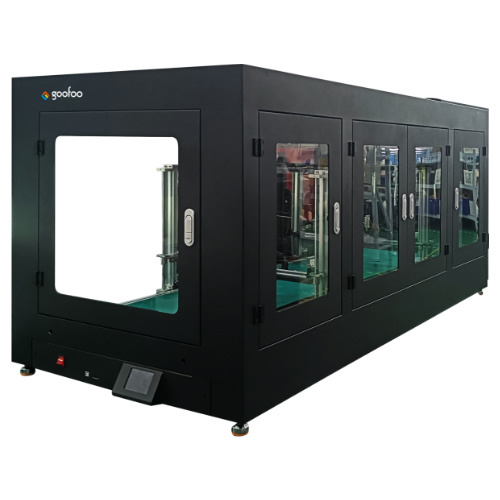
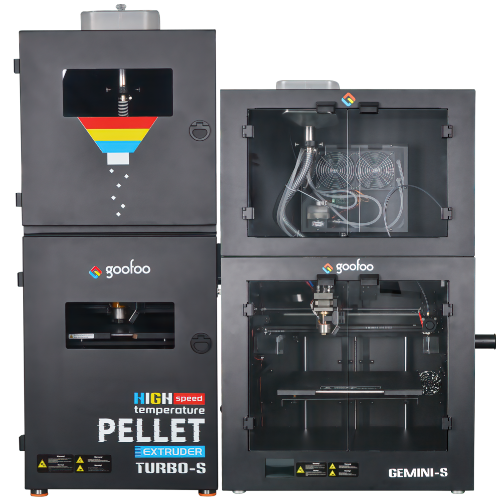

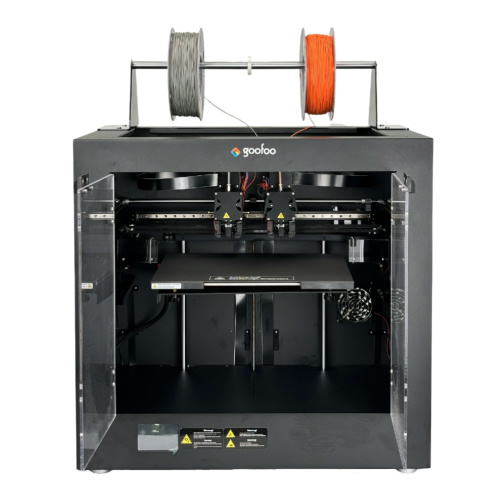
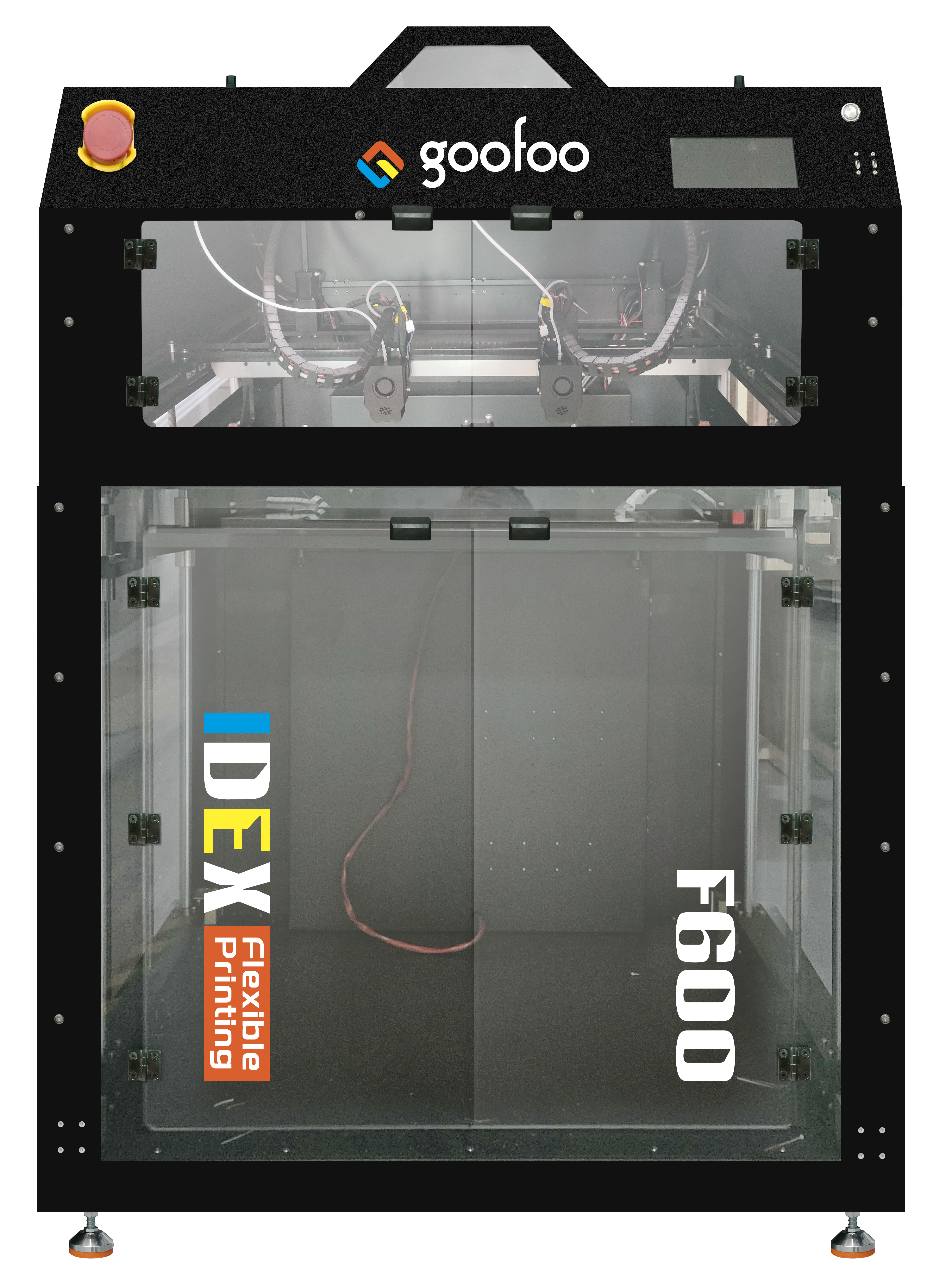


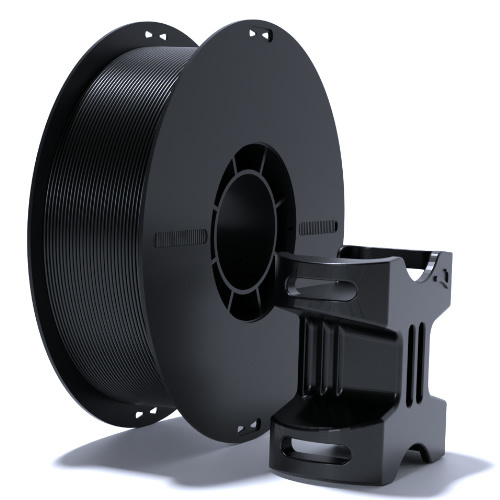
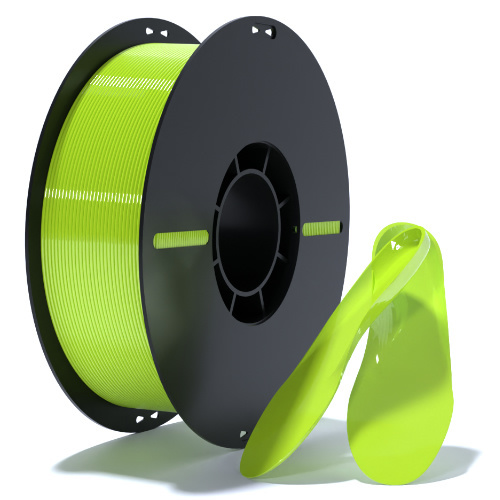






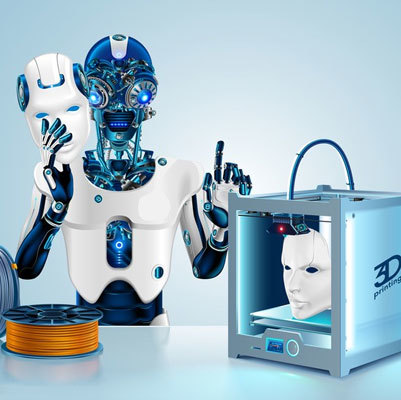





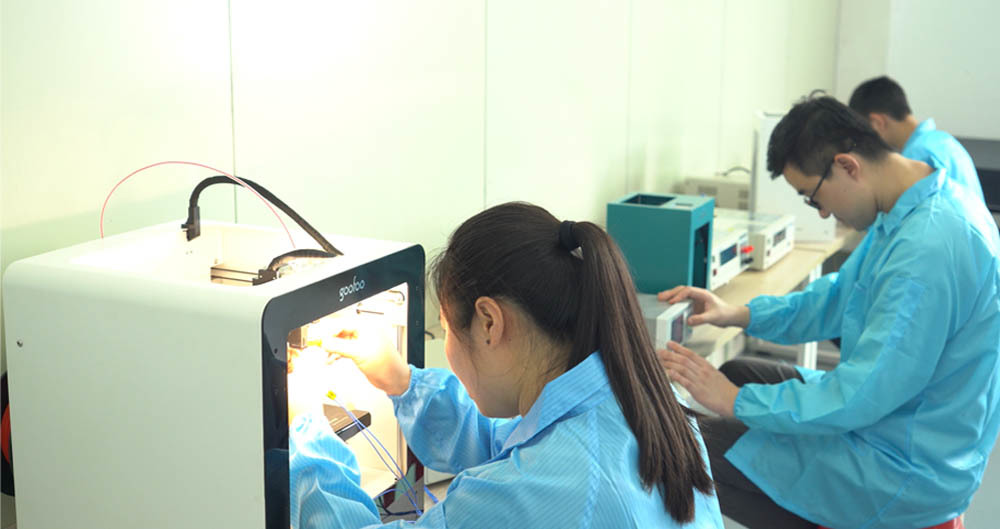




Large-Format FDM 3D Printer with 600×500×600mm Build Volume
2026-03-05 14:29
Core Advantages of 600×500×600mm Build Volume
- One-piece printing of full-size functional prototypes, jigs, fixtures, and molds
- Batch production of multiple mid-sized parts in a single run
- Large-scale models for architecture, automotive, aerospace, and entertainment props
- Reduced assembly cost and improved surface finish by minimizing seams
Key Technical Features
- Rigid Mechanical Structure: Heavy-duty metal frame and CoreXY or closed-loop motion systems reduce vibration and ensure consistent positioning, preventing layer shifting even during long prints.
- Thermal Control: Fully enclosed chamber with active heating stabilizes temperature, minimizing warping for ABS, ASA, PC, and nylon. Heated build plates up to 110–130°C improve first-layer adhesion.
- High-Temperature Extrusion: Nozzles rated to 300–350°C process high-performance engineering polymers and fiber-filled composites. High-flow hotends deliver up to 40mm³/s output for faster prints.
- Precision and Speed: Layer resolution down to 0.05mm and print speeds up to 200–300mm/s balance detail and efficiency. Automatic bed leveling and filament sensors support reliable unattended operation.
- Firmware and Control: Klipper or professional 3D printing firmware offers real-time monitoring, remote control, and compatibility with standard slicing software.
Material Compatibility
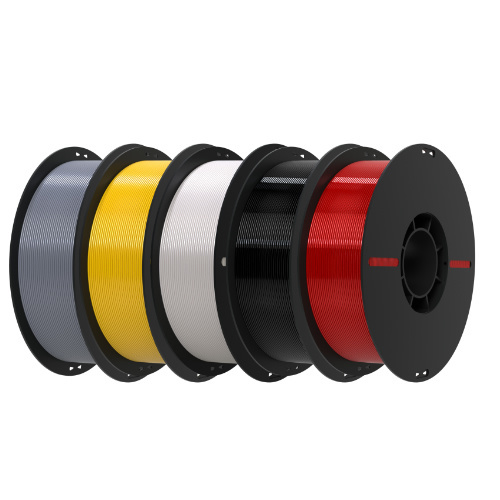
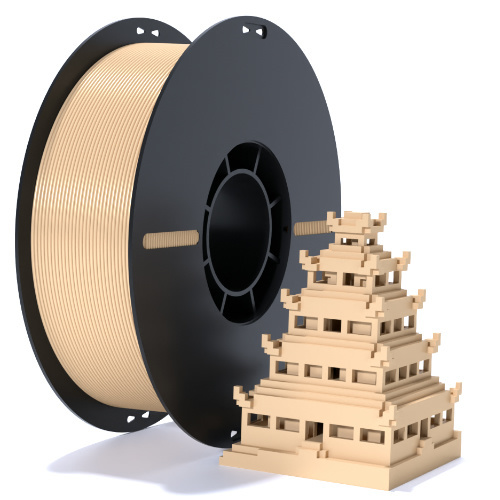
- Standard Materials: PLA, PETG, ABS for prototypes, concept models, and non-structural parts
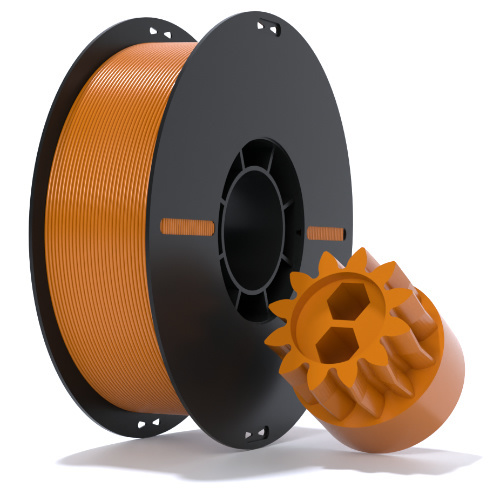
- Engineering Grades: PC, PA (Nylon), ASA, TPU for durable, heat-resistant, and flexible components
- Composites: Carbon fiber-filled, glass fiber-filled, and flame-retardant filaments for high-strength industrial parts
Typical Applications
- Automotive & Machinery: Full-size interior parts, under-hood components, jigs, fixtures, and assembly tools
- Aerospace: Non-critical structural components, ducting, brackets, and custom tooling
- Architecture & Construction: Large-scale building models, facade prototypes, and custom decorative elements
- Manufacturing: Low-volume production parts, replacement components, injection molding prototypes
- Education & Research: Large experimental setups, engineering models, and interdisciplinary projects
- Entertainment & Art: Life-sized props, sculptures, display pieces, and stage elements
Conclusion
Recommended News
 Esperanto
 Shqiptare
 Euskara
 Zulu
Zulu
 Latinus
 Cymraeg
 தமிழ்
தமிழ்
 Slovak
 Slovak
 Afrikaans
Join us
Subscribe to get the latest news


Skype / WhatsApp: +86 592-5713513 / +86-13860126490
No.88-3, North Tongji Road, Xike County, Tong'an District, Xiamen, Fujian China
Xiamen Goofoo Technology Co., Ltd. All Rights Reserved 闽ICP备2022008070号-1 SEO 300.cn
Phone:+0086 592-5713513
Address: No.88-3, North Tongji Road, Xike County, Tong’an District, Xiamen, Fujian China
Email: sales@goofoo3d.com
We will give you feedback in time