
- Shop Shop
-
Desktop
Desktop
MSLA series

High accuracy Lens-s pro
Large build volume Lens-m pro
- Industrial Industrial
-
Material
Material

Resin series

Dental DM100/TC100/ etc.

Jewelry Jewelry Resin

Generic PW100

Industry High Temp Resin

Garage Kit Red wax
-
Expanded
Expanded
Laser Engraver/CNC

TS4030(class1) Laser engraver & cutter 400*300mm
Pixi(class1) Laser engraver & cutter 100*100mm
3D scanner
Mole Highest accuracy 0.05mm
- Industries & Applications Industries & Applications
- Support Support
- About Us About Us
- Contact Us Contact Us




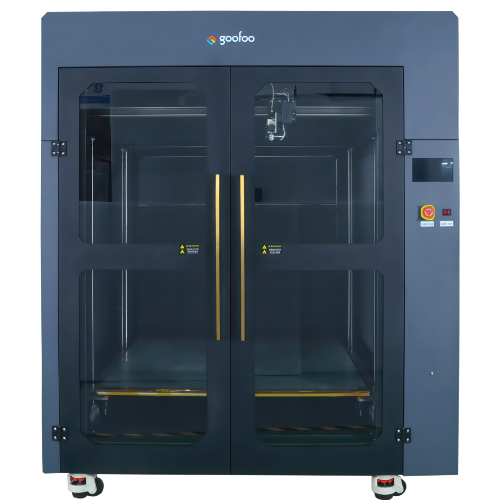
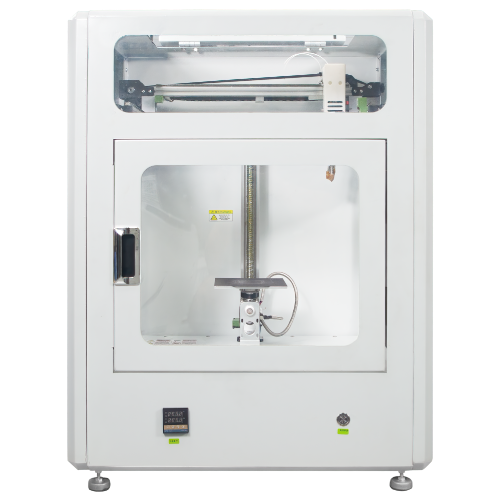
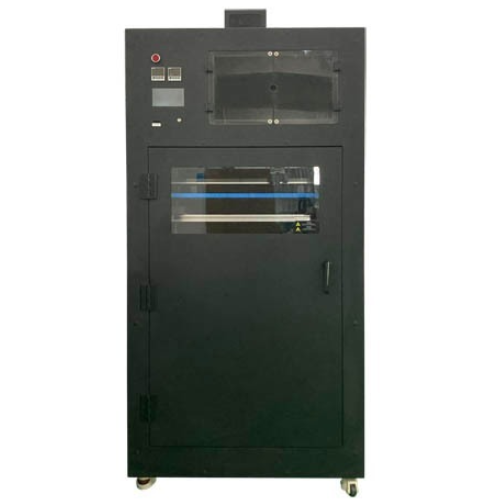
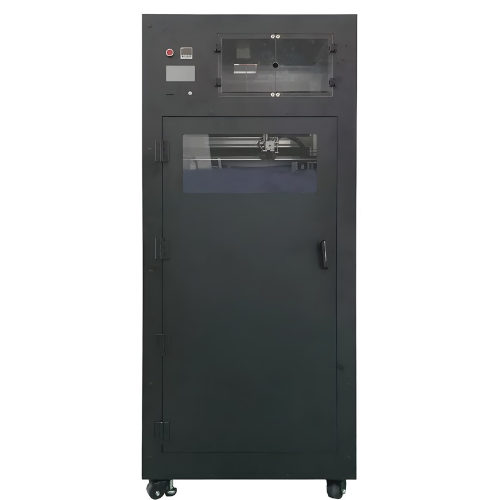



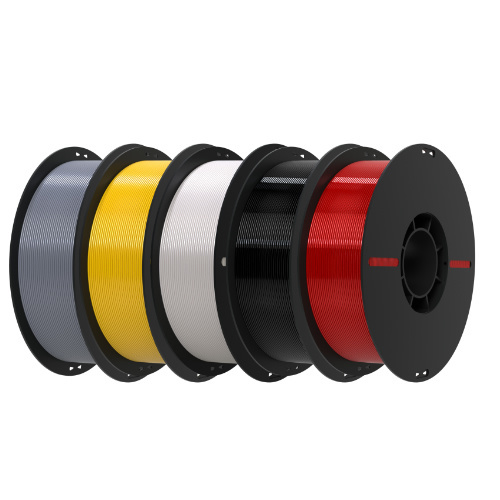
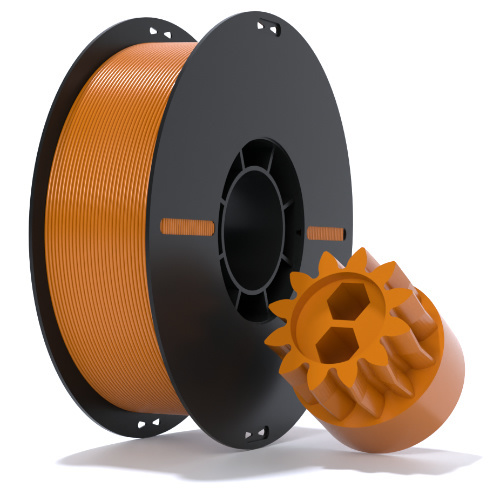
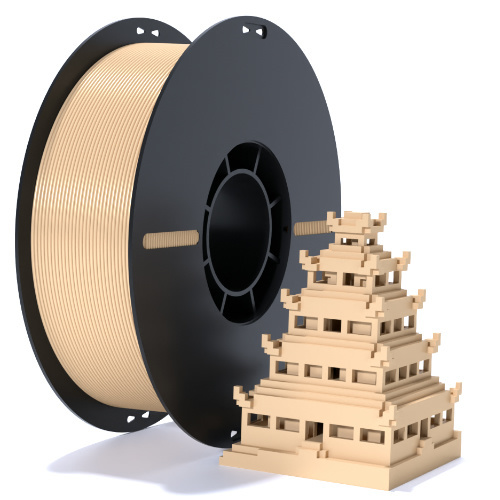
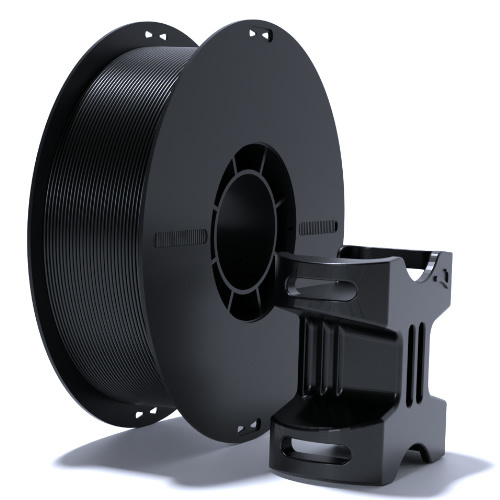














Advances and Applications of 3D Metal Printing
2026-03-04 09:15
3D metal printing, also known as metal additive manufacturing, transforms digital designs into functional metal parts using layer-by-layer processes such as powder bed fusion, directed energy deposition, and binder jetting. It enables complex geometries, topology optimization, part consolidation, and rapid iteration, benefiting aerospace, medical, automotive, and tooling industries. Challenges include material defects, residual stress, surface finish, qualification, and cost. Ongoing improvements in process monitoring, software, materials, and post-processing are increasing reliability and expanding industrial adoption.
3D metal printing refers to a set of additive manufacturing technologies that fabricate metal components directly from digital models by adding material layer by layer. Unlike traditional subtractive methods, metal additive manufacturing (AM) can create complex internal features, lattice structures, and consolidated assemblies that reduce weight and part count. Major process families include:
- Powder Bed Fusion (PBF): A laser or electron beam selectively melts or sinters metal powder spread in thin layers. Variants include laser powder bed fusion (LPBF) and electron beam melting (EBM). PBF is widely used for high-detail, high-performance parts.
- Directed Energy Deposition (DED): A focused energy source melts metal feedstock (wire or powder) as it is deposited, allowing repair, cladding, and the building of large structures.
- Binder Jetting: A liquid binder selectively bonds powder particles; the green part is then sintered or infiltrated to achieve dense metal. Binder jetting offers high build speed and cost advantages for certain applications.
- Material Extrusion and Hybrid Processes: Emerging approaches combine extrusion of metal-filled filaments or hybrid machines that integrate machining and additive steps.
Materials and Alloys A broad range of metal alloys is available for additive manufacturing, including stainless steels, tool steels, nickel superalloys (Inconel), titanium alloys, aluminum alloys, cobalt-chrome, and precious metals. Each material behaves differently under rapid melting and solidification, affecting microstructure, mechanical properties, and susceptibility to defects. Material development focuses on powders with controlled particle size distribution, flowability, and purity.
Design for Additive Manufacturing (DfAM) Designers exploit AM’s freedom by using topology optimization, lattices, conformal cooling channels, and part consolidation. DfAM principles include minimizing support structures, orienting parts for heat flow and mechanical properties, and considering post-processing access. Successful designs balance complexity with manufacturability, cost, and inspection requirements.
Advantages
- Geometric Freedom: Internal channels, undercuts, and lattice architectures that are impossible or costly with conventional methods.
- Part Consolidation: Multiple components and fasteners can be merged into single integrated parts, reducing assembly and potential failure points.
- Rapid Prototyping and Low-Volume Production: Faster iteration cycles and economic viability for customized or low-run parts.
- Lightweighting: Topology optimization and lattice structures enable significant weight reduction, crucial in aerospace and automotive sectors.
- Repair and Remanufacturing: DED and other techniques facilitate growth, repair, or refurbishment of high-value components.
Challenges and Limitations
- Material Defects: Porosity, lack of fusion, keyholing, and inclusions can reduce fatigue life and mechanical consistency.
- Residual Stresses and Distortion: Rapid heating and cooling induce stresses that can warp parts; careful process control, preheating, supports, and heat treatment are required.
- Surface Finish and Tolerance: As-built surfaces often require machining, polishing, or surface treatments to meet dimensional and functional requirements.
- Certification and Qualification: Standardization, process repeatability, and certification for critical applications (aerospace, medical) remain barriers.
- Cost and Throughput: Metal powders and equipment are expensive; build speed and post-processing add to unit cost, though economies improve at scale.
- Health and Safety: Handling fine metal powders requires strict safety protocols to mitigate risks of inhalation, fire, or explosion.
Post-Processing and Quality Assurance Post-processing steps are essential: stress relief and heat treatment to control microstructure; hot isostatic pressing (HIP) to close internal porosity; machining for critical surfaces; surface finishing and coating; and non-destructive inspection methods (CT scanning, X-ray, ultrasonic testing) for internal defect detection. Process monitoring with in-situ sensors, melt pool monitoring, and closed-loop control helps detect anomalies early and supports part traceability.
Applications
- Aerospace: Fuel nozzles, brackets, and heat exchangers benefit from weight reduction, consolidated assemblies, and complex cooling channels. Certification efforts are underway for structural components.
- Medical: Patient-specific implants, surgical guides, and porous structures for osseointegration in orthopedics and dental applications.
- Automotive and Motorsport: Lightweight components, rapid prototyping, and tooling for injection molding or conformal cooling inserts.
- Tooling and Molds: Conformal cooling and internal channels improve thermal performance and cycle times.
- Energy and Oil & Gas: Repair of turbine blades, custom parts for harsh environments, and low-volume specialized components.
Trends and Future Directions
- Process Monitoring and AI: Advanced sensors and machine learning enable real-time defect detection and adaptive process control to improve yield and consistency.
- New Materials and Multi-Material Printing: Development of alloys tailored for AM and approaches to join dissimilar metals expand functionality.
- Sustainable Practices: Recycling of metal powders, energy-efficient machines, and lifecycle optimization reduce environmental impact.
- Hybrid Manufacturing: Combining additive and subtractive steps in a single machine improves surface quality and dimensional accuracy while retaining geometric freedom.
- Scalability and Economics: Improvements in binder jetting and multi-laser PBF increase throughput and reduce per-part cost, making AM competitive for higher volumes.
Best Practices for Adoption
- Begin with non-critical components to build in-house expertise and process knowledge.
- Invest in training for design engineers, operators, and quality teams focused on DfAM and specific process controls.
- Implement robust material traceability, documentation, and qualification plans.
- Use simulation to predict residual stress, thermal behavior, and microstructure before committing to expensive builds.
- Collaborate with material suppliers, machine manufacturers, and industry consortia for standards and certification guidance.
Conclusion 3D metal printing is transforming manufacturing by enabling new design possibilities, reducing part count, and accelerating product development. While technical and economic challenges remain, continuing advances in materials, process control, and post-processing are improving reliability and expanding the range of viable industrial applications. Adopting best practices in design, monitoring, and quality assurance will help organizations realize the full potential of metal additive manufacturing.
Last
Next
Prev
Next
Recommended News
 Esperanto
 Shqiptare
 Euskara
 Zulu
Zulu
 Latinus
 Cymraeg
 தமிழ்
தமிழ்
 Slovak
 Slovak
 Afrikaans
Join us
Subscribe to get the latest news


Skype / WhatsApp: +86 592-5713513 / +86-13860126490
No.88-3, North Tongji Road, Xike County, Tong'an District, Xiamen, Fujian China
Xiamen Goofoo Technology Co., Ltd. All Rights Reserved 闽ICP备2022008070号-1 SEO 300.cn
Phone:+0086 592-5713513
Address: No.88-3, North Tongji Road, Xike County, Tong’an District, Xiamen, Fujian China
Email: sales@goofoo3d.com
We will give you feedback in time