
- Shop Shop
-
Desktop
Desktop
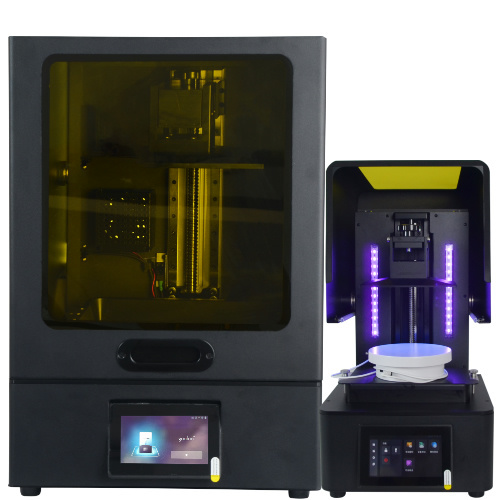
MSLA series

High accuracy Lens-s pro
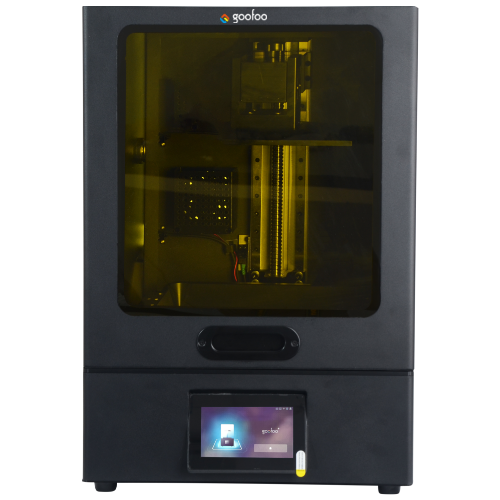
Large build volume Lens-m pro
- Industrial Industrial
-
Material
Material

Resin series

Dental DM100/TC100/ etc.

Jewelry Jewelry Resin

Generic PW100

Industry High Temp Resin

Garage Kit Red wax
-
Expanded
Expanded
Laser Engraver/CNC

TS4030(class1) Laser engraver & cutter 400*300mm
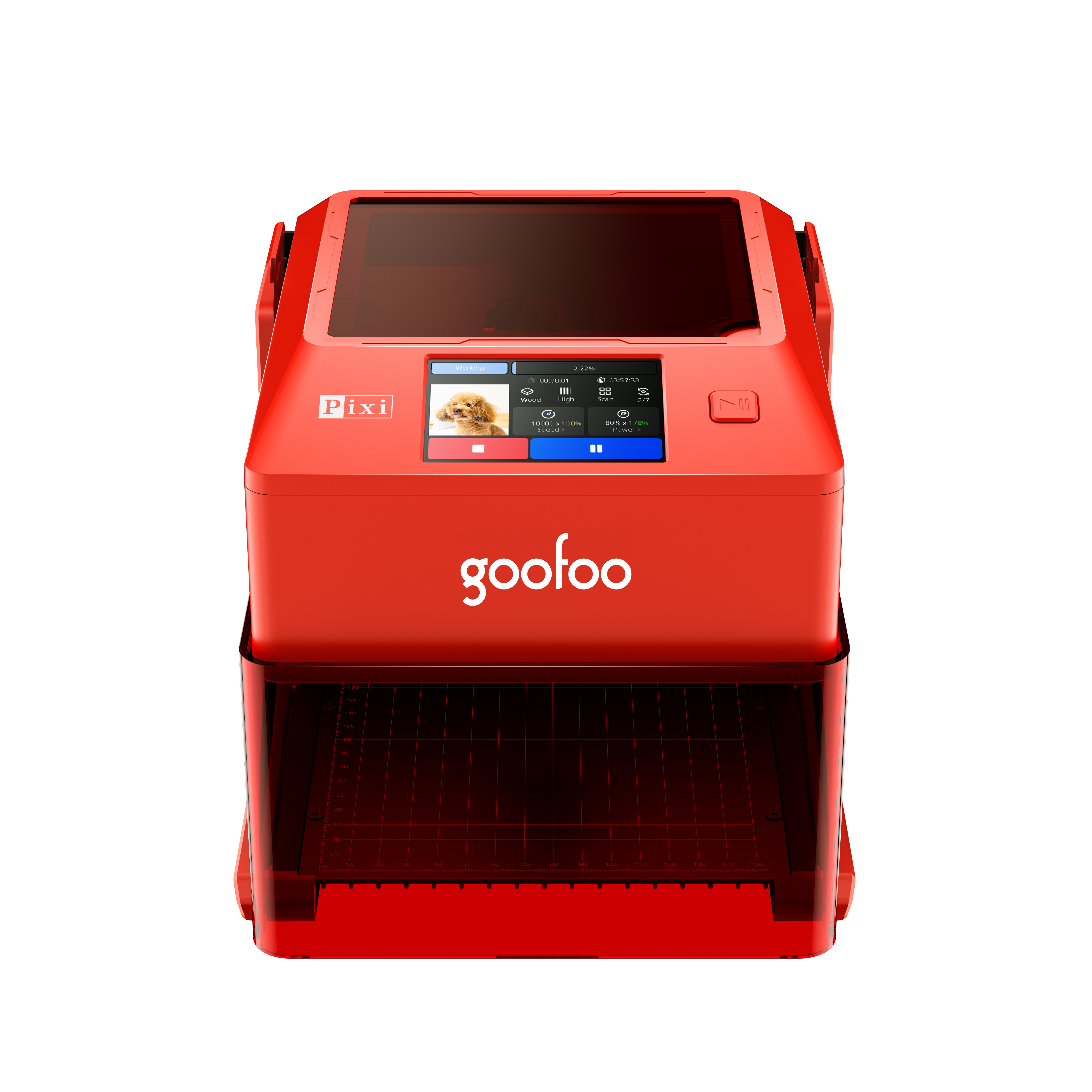
Pixi(class1) Laser engraver & cutter 100*100mm
3D scanner
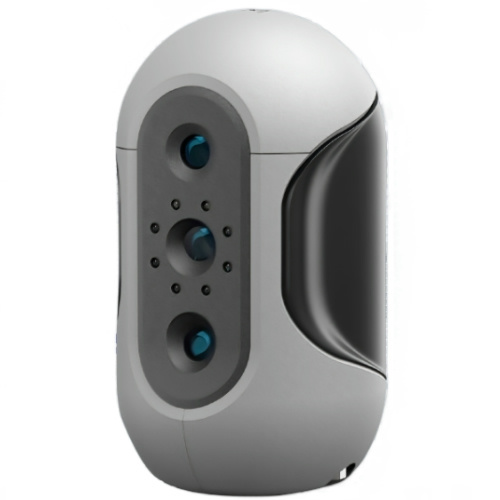
Mole Highest accuracy 0.05mm
- Industries & Applications Industries & Applications
- Support Support
- About Us About Us
- Contact Us Contact Us
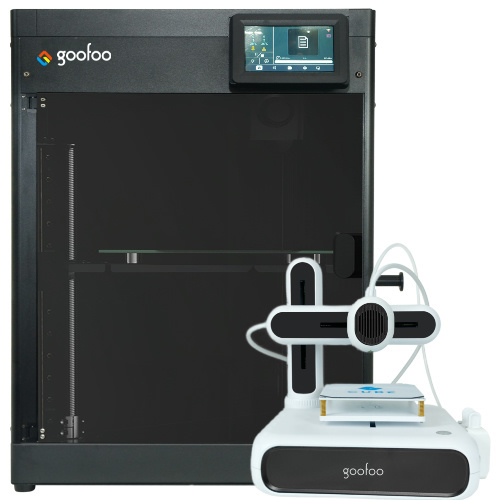


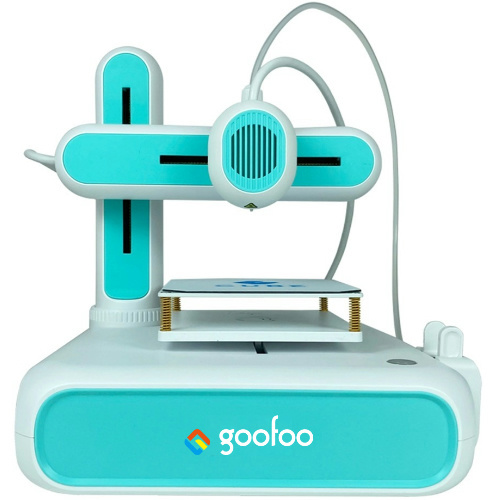
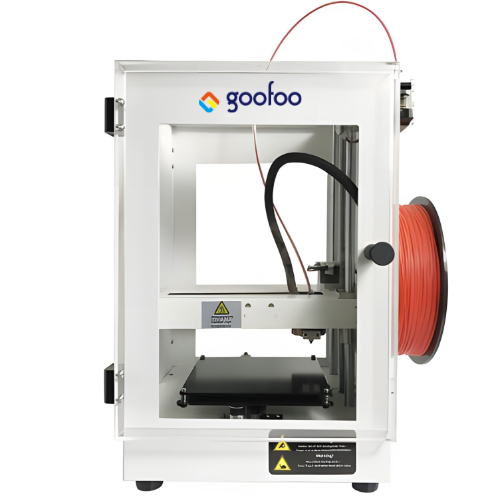
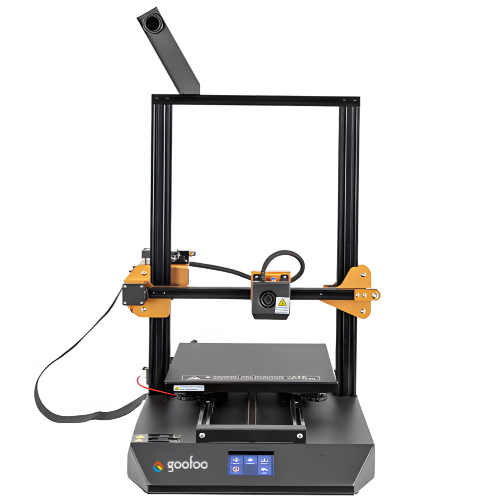
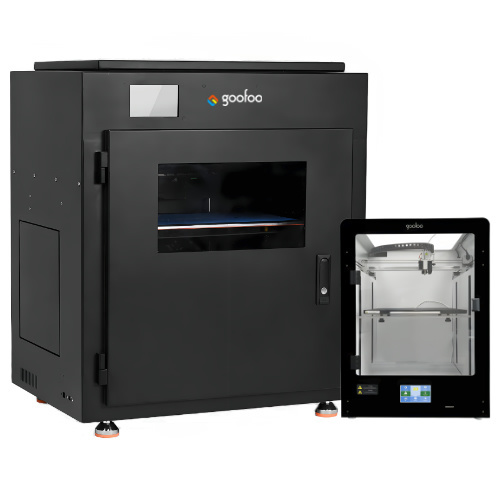
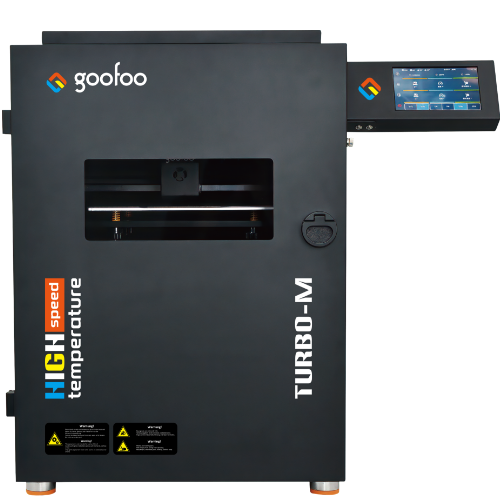
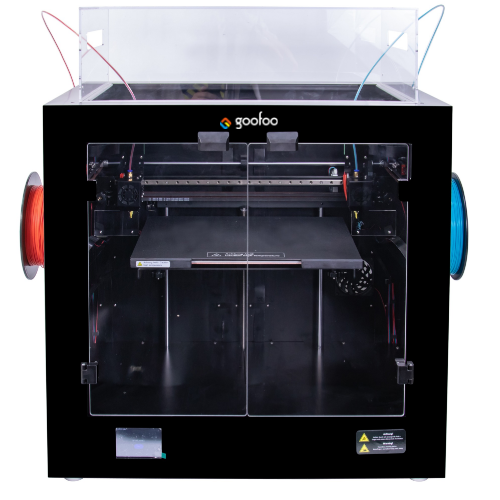
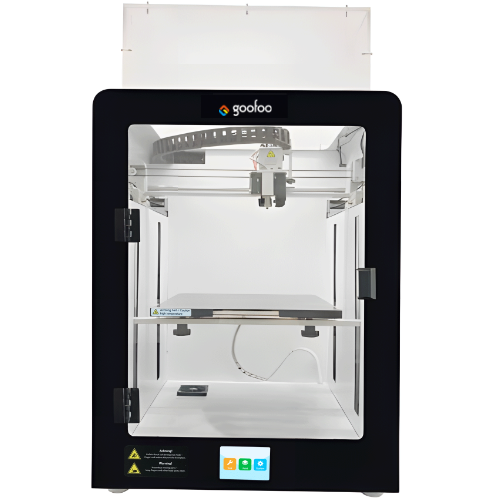
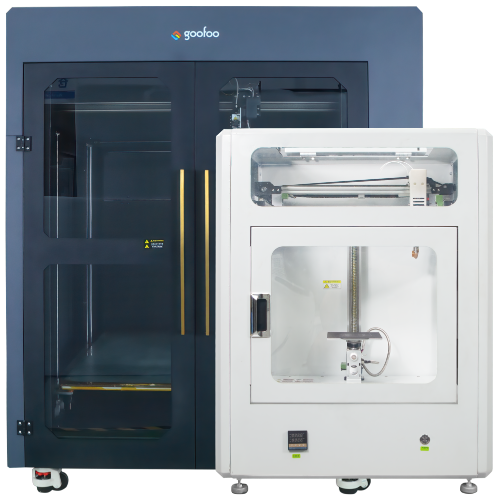

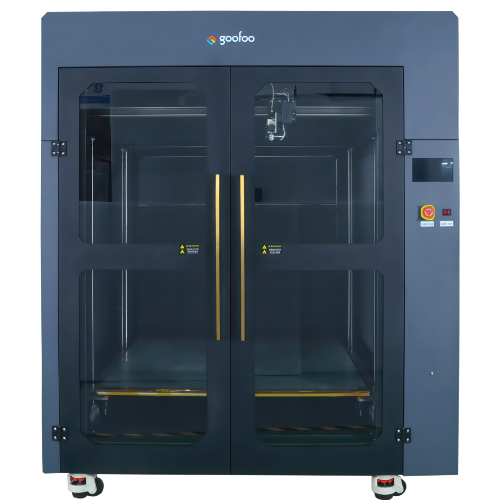
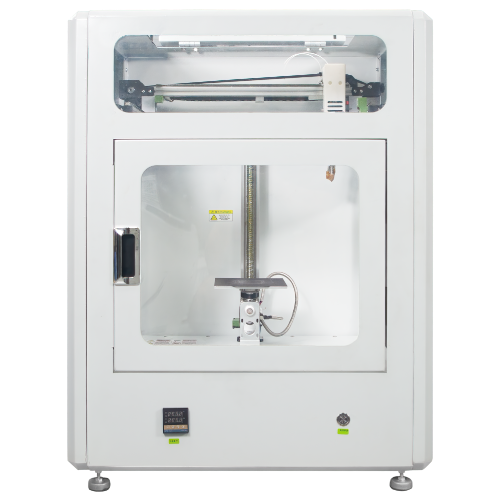
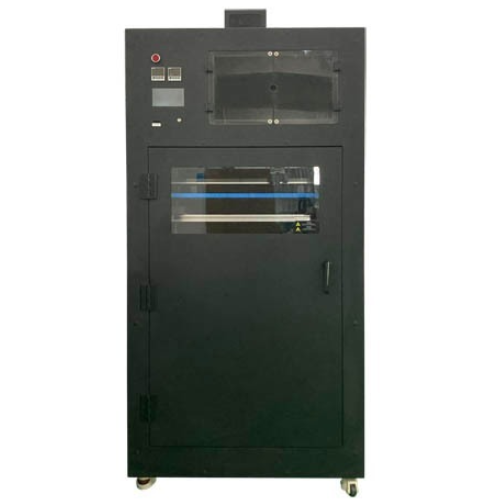
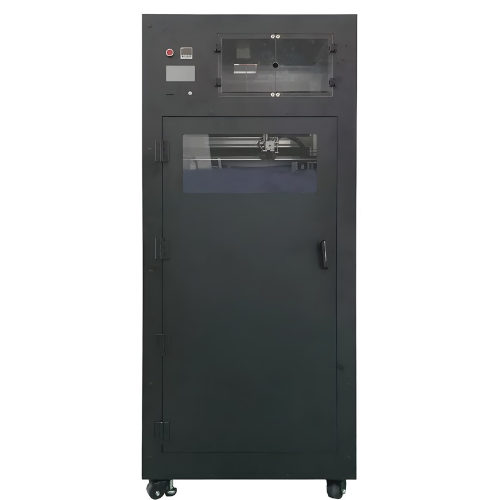
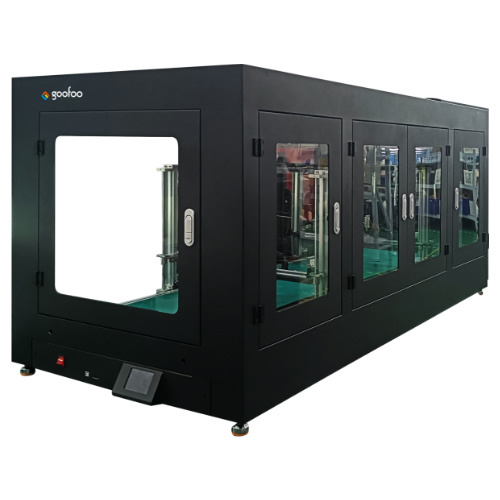
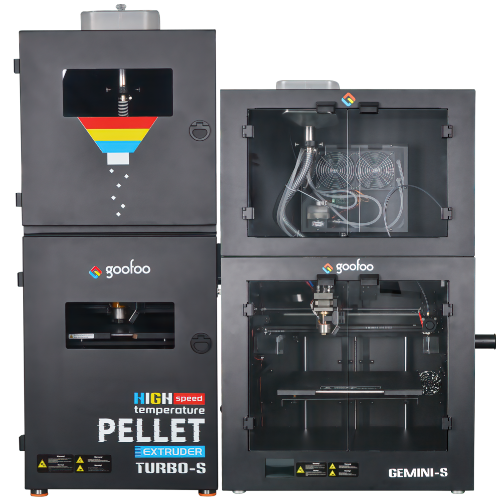

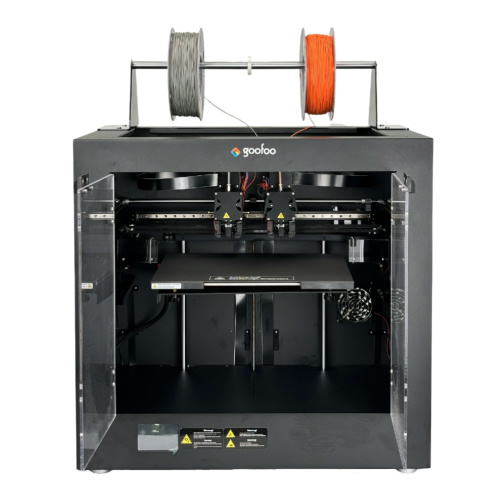













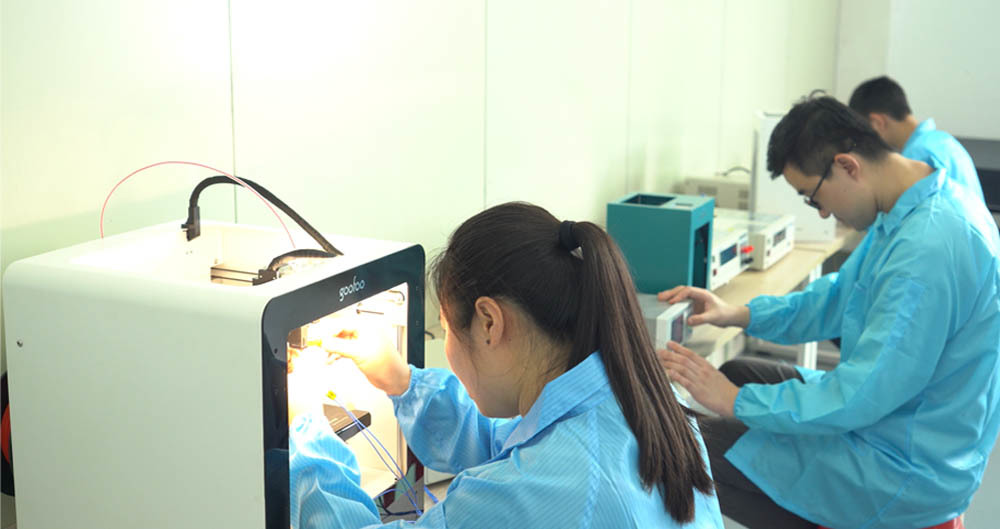




Unveiling the Magic of 3D Printer Models: How They Work
2026-03-20 02:34

Image Source: unsplash
Introduction to 3D Printing
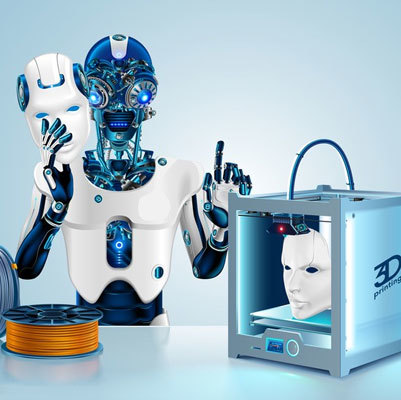
Have you ever wondered how 3D printer models bring imagination to life? Well, buckle up, because we're about to dive deep into the fascinating world of three-dimensional printing! This innovative technology has taken the world by storm, transforming everything from prototyping to art. Let's explore how these incredible machines operate.
The Basics of 3D Printing
At its core, 3D printing is about creating physical objects from digital designs. Sounds simple, right? But here's the kicker: it involves a complex interplay of technology and creativity. Using a method called additive manufacturing, 3D printers layer materials—like plastic, metal, or resin—until they build a complete structure. This is in stark contrast to traditional subtractive methods, where material is removed from a solid block.
How 3D Printer Models Operate
So, how do these machines actually work? Let's break it down step-by-step:
1. Design the Blueprint
It all begins with a digital model, often created using Computer-Aided Design (CAD) software. This blueprint is crucial as it dictates the shape and dimensions of the final product. Think of it as the blueprint for a house—without it, the structure wouldn't stand a chance!
2. Slicing the Model
Once the design is ready, it's time to slice it. Slicing software converts the digital model into a format the printer can understand, breaking it down into hundreds or thousands of layers. Each layer is essentially a cross-section of the final piece, allowing the printer to build it up layer by layer.
3. The Printing Process
Now for the fun part! The 3D printer starts laying down materials according to the sliced model. Depending on the technology used, it may extrude molten plastic, cure liquid resin with UV light, or even bond powder particles together. It's a mesmerizing process to watch, as the object gradually emerges from the printer!
4. Post-Processing
After printing, the object often requires some finishing touches. This can include removing support structures, sanding, or painting to achieve the desired look. It's akin to giving your masterpiece a final polish before displaying it to the world.
Different 3D Printer Models
Now, let's talk about the variety of 3D printer models out there. The market is buzzing with options, each tailored to different needs:
FDM Printers
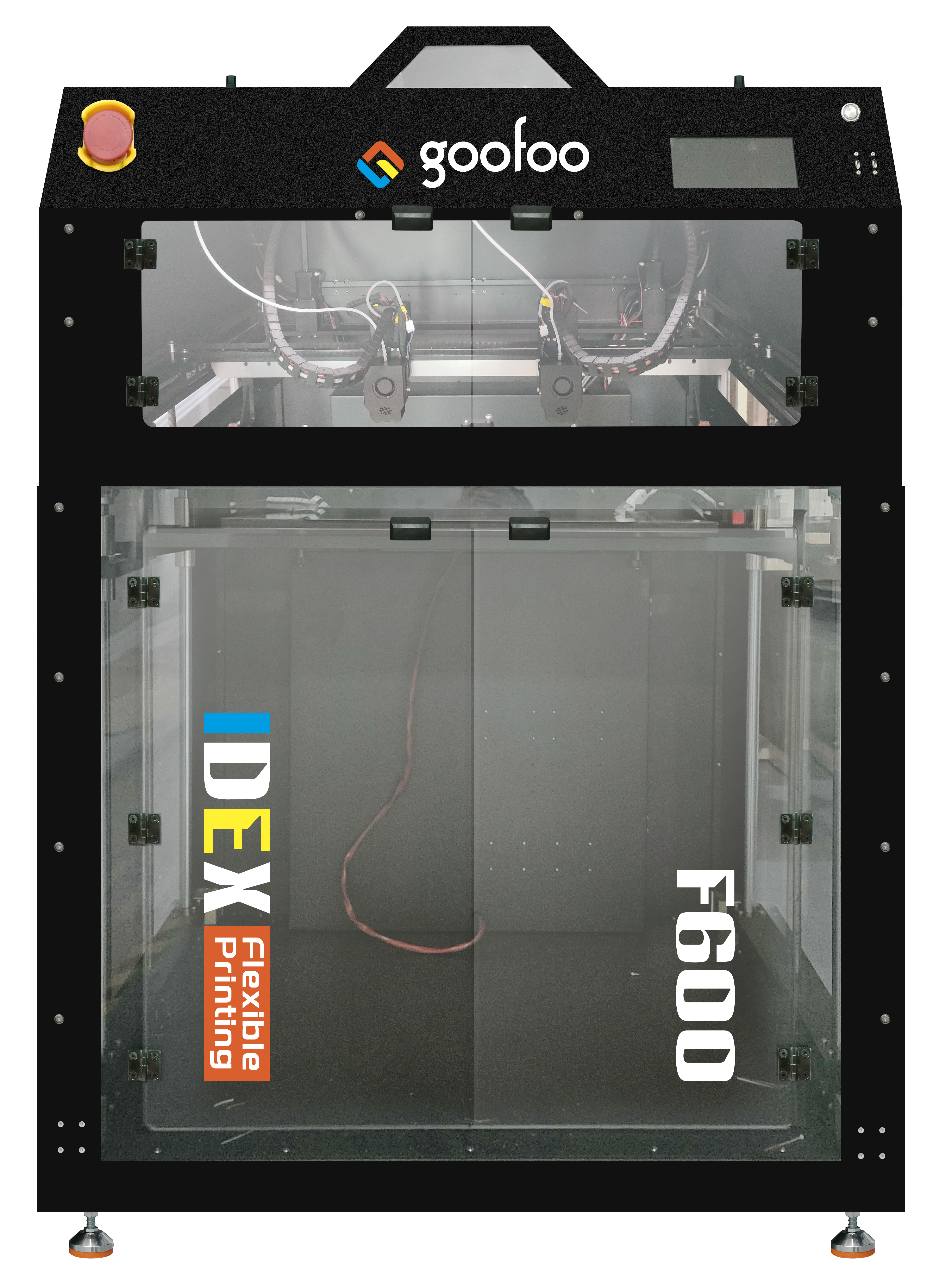
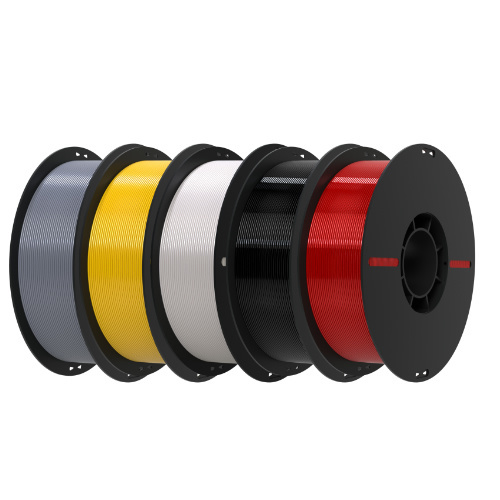
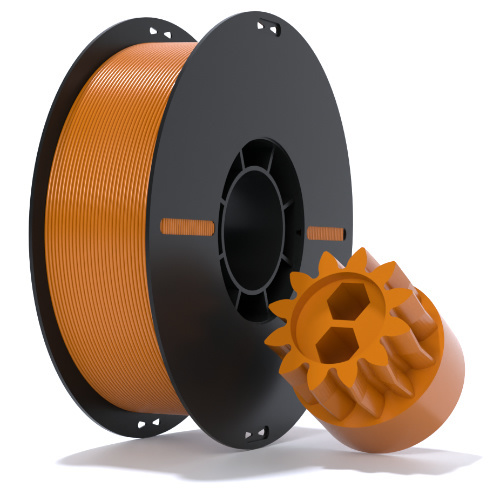
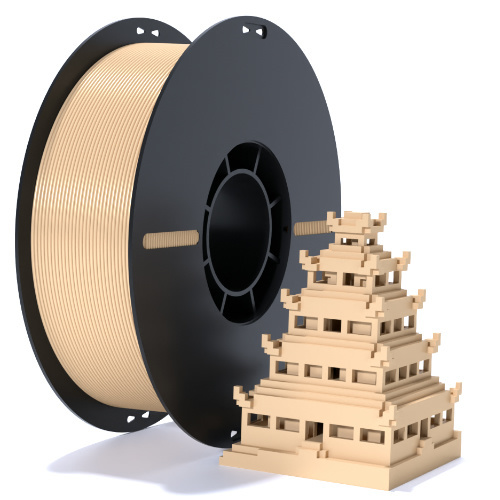
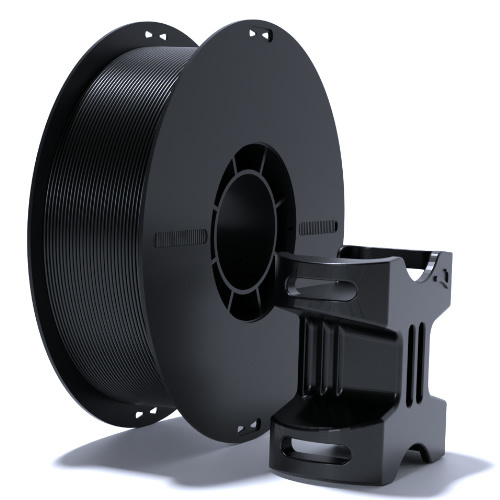
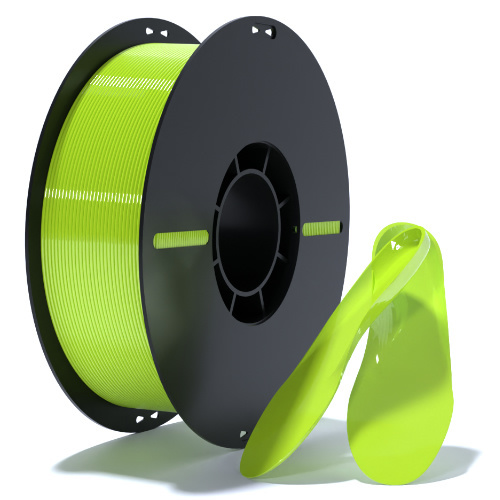
Fused Deposition Modeling (FDM) printers are the most popular type. They use thermoplastic filaments, which are heated and extruded to create objects. They're relatively affordable and a great choice for hobbyists.
SLA Printers
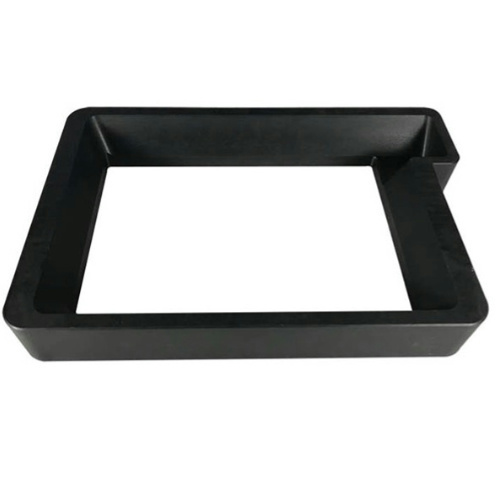
Stereolithography (SLA) printers utilize a UV laser to cure liquid resin, resulting in highly detailed prints. They're often used for jewelry and dental applications due to their precision.
SLS Printers
Selective Laser Sintering (SLS) printers use a laser to fuse powdered materials, such as nylon or metal. They're perfect for industrial applications, allowing for complex geometries and durable parts.
The Future of 3D Printing
As technology evolves, so too do 3D printer models. Innovations in materials, speed, and precision are on the horizon, promising to revolutionize industries like healthcare, aerospace, and beyond. Who knows? Soon, you might be printing your own car parts or even organs!
Conclusion
In summary, 3D printing is not just a trend; it's a game-changer. With its ability to turn digital concepts into tangible realities, it holds the potential to reshape our world. Whether you're a maker, an artist, or a business, exploring the workings of 3D printer models can open up a realm of possibilities. So, what are you waiting for? Dive in, get creative, and start printing your dreams!
3d printer models
Recommended News
 Esperanto
 Shqiptare
 Euskara
 Zulu
Zulu
 Latinus
 Cymraeg
 தமிழ்
தமிழ்
 Slovak
 Slovak
 Afrikaans
Join us
Subscribe to get the latest news


Skype / WhatsApp: +86 592-5713513 / +86-13860126490
No.88-3, North Tongji Road, Xike County, Tong'an District, Xiamen, Fujian China
Xiamen Goofoo Technology Co., Ltd. All Rights Reserved 闽ICP备2022008070号-1 SEO 300.cn
Phone:+0086 592-5713513
Address: No.88-3, North Tongji Road, Xike County, Tong’an District, Xiamen, Fujian China
Email: sales@goofoo3d.com
We will give you feedback in time